I have been suffering from PD for last four years (Started at the age 50). Currently I am on Apo_Pramipexold 3x1mg and Azilect 1x1mg. Tremor is under control and can walk easily but the problem I am facing now is that when I wake up its very difficult to get out of bed. I tried Acupuncture, Physiotherapy, Massage therapy but situation is going to worsen day by day. Symptoms getting worse – What can I do?
Any suggestion of exercise or home remedy may be welcomed
I Abbasi
Response:
My hunch is that movement will help the most right now – any movement be it dance, walking, swimming, weight lifting, forced exercise – you name it. Perhaps your physiotherapist might have some great recommendations on exercise that might help you in particular.
I received a call yesterday from a women who was diagnosed about the same time as you. She tells me she is doing great. No one would ever know she had Parkinsons given her symptoms are not evident to anyone. How does she do it? She explains – exercise! The more the better.
My initial reaction is to suggest that you begin to move your body as often as possible – every day. Most of the therapies you have explored require passive participation on your part. Why not become more active?
What else might I recommend? The therapies you have considered so far represent a very small number of the natural and safe therapies you can consider in addition to the medications. I have now documented 44 therapies that have given people currently experiencing the symptoms of Parkinson’s relief in one form or another. I discuss these many therapies in my book, Road to Recovery from Parkinsons Disease.
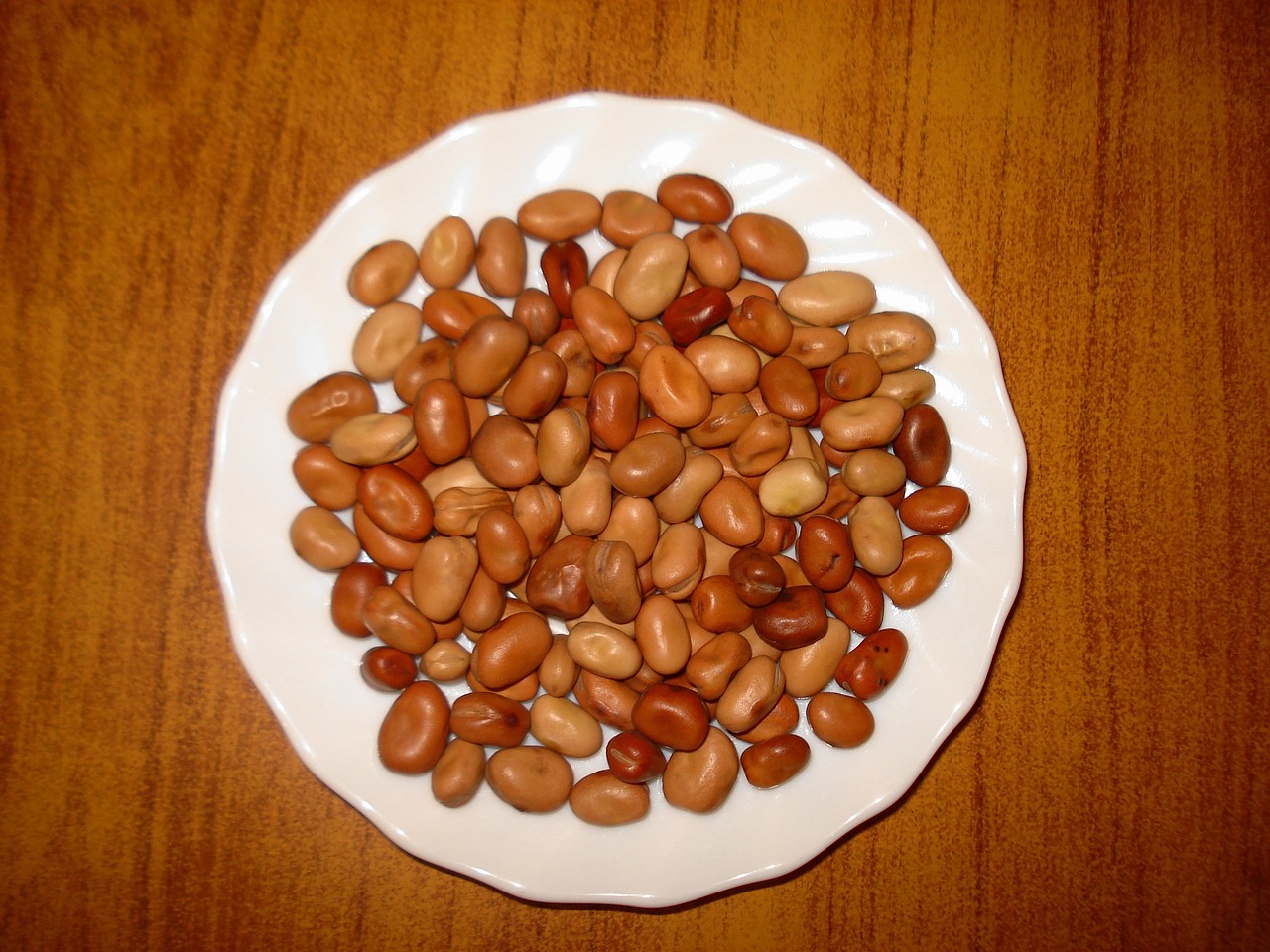
I have very early symptoms and would to try fava beans for Parkinsons before medication. I found blanched and shelled beans but I don’t know if they have enough dopa to make them worthwhile or how to prepare them to retain the maximum dopa.
Can you give me some advice?
Thank you
Joe
Eating fava beans are a delicious, natural food in themselves that also happen to enhance dopamine in the body. For regular updates on fava beans for Parkinsons be sure and become a regular visitor of the Parkinsons Recovery Fava Bean blog sponsored by Aunt Bean who has a four acre farm in Tennessee where she grows fava beans and mucuna.
You will get the most mileage out of the value of fava beans if you sprout them first. Aunt Bean formulates a homemade tincture using the tips of the fava bean plants. Why not consider growing your own – as does Aunt Bean?
Keep in mind that ingesting fava beans in whatever form may have an effect on your medication, so be sure and consult with your doctor about any adjustments that may be required if you decide to add fava beans to your diet.
Parkinson’s Disease: An Inside Look at How Neurologists Leverage Emerging Research and Trends
Plus: What’s New, What’s Next
PD News To Share With Your Readers
WHO:Â Â Â Â Â Â Â Â Â Â Lawrence Elmer, M.D., Professor of Neurology and Medical Director of the Center for Neurological Health; Director of the Parkinson’s Disease and Movement Disorder Program within the Department of Neurology, University of Toledo College of Medicine
Dr. Elmer to discuss:
The latest in PD management and treatment
How neurologist approach diagnosis and treatment of PD
Current and investigational treatments
Dr. Elmer to provide:
During the WebEx and upon request only — Tools to help your readers improve communication with their physicians and health care providers, and ultimately, better manage their PD — for example –Â patient-friendly copy, graphs and charts which encourage conversations re PD treatment
Dr. Elmer to answer your questions, such as:
What does the latest research suggest about the best strategies for managing PD?
What are the key treatment options today….tomorrow?
How close are we to finding a cure?
What can patients do to take control of their own PD?
What new therapies are currently in development for PD?
WHEN: Â Â Â Â Â Â Â January 25, 2011 — Presentation at 4 p.m. ET; Q&A at 4:30 p.m. ET
HOW TO REGISTER:
To reserve a space, please respond to this email; be sure to include a phone number. After making your reservation, we will send instructions on how to log-in. You may need to download add-on programs in advance; they address technical issues so you don’t experience them during the conference. This WebEx is supported by an educational grant from Teva Pharmaceuticals.
SPACE IS LIMITED – RESERVE NOW!
ABOUT LAWRENCE ELMER, M.D.
Dr. Elmer joined the faculty of the University of Toledo College of medicine in 1998 where he holds the position of Professor of Neurology and Medical Director of the Center for Neurological Health. He is also director of the Parkinson’s Disease and Movement Disorder Program within the Department of Neurology. He has served in a variety of leadership positions throughout the University, recently as President of the Faculty Senate at the University of Toledo Health Science Campus. Dr. Elmer speaks frequently at patient and medical education programs throughout the region and country.
Dr. Elmer’s research is primarily focused on emerging medical treatments for Parkinson’s disease. His career passion involves caring for people with Parkinson’s disease and their families, giving them the opportunity to deal successfully with this disease and enjoy life to the fullest.
Lawrence Elmer received his MD and PhD degrees from the University of Florida, completed postgraduate training at the Baylor College of Medicine, internship in internal medicine at the Sioux Falls Veterans Administration Hospital and residency in neurology at the University of Michigan. He then completed a basic science and clinical fellowship in movement disorders at the University of Michigan Department of Neurology.
Somewhere I remember reading that PD people sometimes become more artistic. There is a connection between creativity and Parkinsons. Can you point me towards any information about PD and the arts? I have to write a short bio of myself for a small, local gallery where they are showing some of my paintings, and I wanted to include a blurb about PD.
Susan
Yes indeed – the gift of symptoms associated with a diagnosis of Parkinson’s Disease is that many people shift gears in their life as they become incredibly creative. As you so clearly state – there is a connection between creativity and Parkinsons. In some cases this translates into artistic endeavors. Sounds like this has been your experience too!
Why does this happen? I suspect the body demands that mental (as well as physical) activity slow down several notches. The body demands that standard routines of the past are interrupted.
The question then turns on – what now? What do I do with my life now? With a little reflection, many people realize that they have not been pursuing their life’s passion. The creativity switch gets turned on. Off they go into the world of art or some creative endeavor of one type of another.
If you have art work – I would be delighted to post it on the blog if you would like! If you have a story you have written about yourself – I would be delighted to post that as well if you would like – with links to your work.
Do other PD people notice a change/worsening of symptoms seasonally? Do Parkinson’s symptoms come and go? I just realized that for several years now my symptoms seem to increase about Dec or Jan or there about. This time period is when I have been starting or changing or increasing medications.
Susan
Yes – my experience is that many people experience a flare up of symptoms during the winter. I suspect there are several reasons:
Diet – the holidays trigger unhealthy eating.
Lack of exercise – the winter months can mean colder weather with more rain and snow.
Lack of sunshine – Although you live in a rather hot climate, vitamin D3 may not be an issue – but Naturopath Doctor Laurie Mischley finds most people with Parkinson’s symptoms have severe vitamin D3 deficiencies. If there is less sunshine – your body will be getting less D3 the natural way.
Change or addition of medications – If you have been adding new medications or increasing the dosage, that could also be a possible cause of a symptom flare up due to interactions and side effects.
All in all – there are a multitude of factors that can potentially contribute to shifts in symptoms seasonally. So the answer to the question do Parkinson’s symptoms come and go is yes. Since there are typically fluctuations – you can always celebrate improvement down the road.
Lori sent me several messages about her remarkable recovery relevant to copper and symptoms of Parkinson’s disease. from the symptoms Parkinson’s disease. With her permission I am posting her correspondence to me below.
My symptoms are currently reversing. My sons, myself and my sister tested very high copper levels. Found out once started prenatal vitamins started improving almost gone after nine months .
Neurologist confirmed marked improvement! Work out alot. Eating better. Cut out diet coke addiction. Pray alot! My sons and I take zinc to chelate copper. Water tested positive copper. Copper pipes leaching copper.
It’s so weird! You have been so positive for me. Footdrop gone. Cog wheeling gone. Smile back:) Bradykinesia almost gone. Just action tremor.
Copper and Symptoms of Parkinson’s disease
They tell me I don’t have Wilson’s disease because cervoplasmin high too. They thought copper was elevated because of bc pills. But off them ordered own serum copper, i’m an OD, still high! My husband md, always said no resting tremor and he would notice it. Five doctors confirmed. Even went to Cleveland clinic. Raised 7000 dollars for mjff. Accepted it. Something kept telling me have another baby. Got off meds. Started prenatal. Bam – got better. I’m supposed to be in that big mjff study. Called Cleveland. They said pd never gets better. Must be ingesting something.
I kept telling neuro that thought copper toxicity due chronic green hair when moved into house with copper pipes five years ago. Peds doctor helped me most because tested sons and high so he called toxicologist geneticist and metabolic.
I’m so scared it’s going to come back but I don’t think God does partial miracles. My sister was higher than me. Currently get lots blood tests but say not Wilsons!
Thanks for positive vibes. Pd is so gloom doom. No hope awful, I think no one should not be given hope. People forget the God factor. Please post because if it happened to me it can happen to others. My husband always thought h1n1 did it. But he sees what vitamins are doing for me, vitamins with no copper.
My handwriting is no longer small. Still trembles but so much easier. I wrote and dated a journal so I can see the change.
Mirapex never really helped. It really only made a slight improvement in handwriting. Never helped foot, smile cog wheeling or tremor. My doctors sill say I have PD and haven’t seen all improvement – think I’m nuts!
But pharmacy assured me mirapex er out of system. Completely done with it Nov 1, started to taper it Oct 21. started prenatal vitamins Oct 21. Noticed improvement. Started documenting it all on Nov 16th. Haven’t seen neuro since nov 18th. I think they are going to be shocked!
Movement specialist said she never doubted my diagnosis, doesn’t want to see me til Feb. I’ve learned I have wrong doctors and the best peds doctor.
The thing that worried me was at 6 year old son started getting breasts. Doctor documented this. I researched crap out of it. It would come and go. Told peds everything, in youth elevated copper secondary sex characteristics. I started boys on vitamins. Youngest would not take them. I told doctor the oldest sons will be lower because been on vitamin. This turned out to be true. My husband’s copper level is normal.
I feel God put me thru this to help my boys! I’m planning to get prego once all gone . It will be miracle baby! It sounds unbelievable!
We have bottled water. Looking to get copper filter for shower! I would love to move but houses not selling. We have a really nice house but I hate the copper pipes!
Sharry Edwards has identified a shocking connection between Genetically Modified Organisms (GMOs) and symptoms of Parkinsons that she personally experienced. Sharry has given me permission to post her full research article here.
Study finds Link between Genetically Modified Organisms (GMOs)
and Current Health Care Crisis
by Sharry Edwards, MEd, Director Institute of BioAcoustic Biology
The August 14th, 2010 issue of Science News, Separating wheat from chaff in celiac disease, reported that a research team led by gastroenterologist Robert Anderson of the Walter and Eliza Hall Institute of Medical Research in Parkville, Australia, had identified specific triggers (gluten sensitivities) associated with celiac disease.
Since our research efforts often evaluate clients who exhibit gluten sensitivity and a myriad of associated diseases, it was imperative that this important information be added to our software databases. I translated the three proteins into BioAcoustic bio-frequency (biomarkers)* and was immediately inundated with an avalanche of novel data showing that the metabolic pathways influenced by these proteins were linked to nearly all systems of the human body; causing immune distortion, acute cellular inflammation and disruptions in cell communication.
The article listed three proteins, w-5 gliadin (wheat), g-3 hordein (barley) and g secalins (rye) that were implicated in the production of the specific anti-gliadin antibody reactions. These proteins, which have been proven to be responsible for allergic reactions, are associated with grain glutens from which they are derived.
Patient records indicated the grains involved are clones developed in a laboratory by Monsanto, a multinational agricultural biotech conglomerate. This would confirm that the present day epidemic of gluten sensitivities/allergies stem from laboratory created grains. These gluten-distorted, allergy causing grain clones are being used to create foods that we eat everyday; bread, cereals, crackers, pastry, seasonings, even some packaged chip products contain wheat. As I developed the BioAcoustic correlations I was aghast with the realization of how thoroughly our health is being negatively influenced by these genetically modified organisms (GMOs).
Further investigation revealed that the cloned genes contained two substitutions that distorted the way the body processes two sulfur rich amino acids: proline and glutamine. Disturbances in these amino acids substitutions result in the impedance of the methylation of these two essential nutrients.
BioAcoustically Speaking, Glutamine distortions seem to be the most destructive. The enzyme required to utilize glutamine is glutamate decarboxylase (GAD). Glutamate is a key molecule in cellular metabolism and the most abundant excitatory neurotransmitter in a vertebrate nervous system.
In mammals, GAD exists in two isoforms encoded by two different genes – Gad1 and Gad2. GAD1 and GAD2 are expressed in the brain where GABA is used as a neurotransmitter; GAD2 is also expressed in the pancreas. This led to an evaluation of the GAD genomes and what happens when these genes are activated:
Glutamate decarboxylase aka glutamic acid decarboxylase (GAD) is an enzyme that catalyzes the decarboxylation (part of the process of breaking down for use by the body) of glutamate to GABA (gamma aminobutyric acid) and CO2.
GABA is a natural tranquilizer and an important inhibitory neurotransmitter that helps regulate neuron activity and the bodys nanosensors. Starting with the GAD enzyme response and moving toward GABA in conjunction with the active form of B6 (PLP), the nanotransmitters of the body are created and regulated. The movement of electrical energy and hence magnetic potential within the body are controlled by these nanotransmitters.
GAD uses PLP (pyridoxal 50-phosphate) as a cofactor. PLP was granted a patent by the US government patent office to the Canadian company, Medicure. PLP is now under the control of the pharmaceutical industry and its lack is often associated with blood clotting distortions, migraines, neural disorders and seizures.
Nanotransmitters produced in conjunction with GAD metabolism show direct associations with a multitude of diseases: diabetes, autism, arthritis, Parkinson’s, ALS, Multiple Sclerosis, joint pain and deterioration, auditory disorders, Celiac Disease, Crohns, Irritable Bowel syndrome, diverticulitis, schizophrenia, bipolar and anxiety disorders, aspartame sensitivity, MSG reactions, Lupus, Fibromyalgia, depression, seizures, brain signaling, the use of calcitonin (cancer related), histidine function (seasonal allergies), cellular inflammation and vaccination reactions.
Of particular importance is GADs involvement with cancer via Calcitonin, a 32 amino-acid peptide/hormone that participates in calcium and phosphorus metabolism. BioAcoustically Speaking, calcitonin is a major player in the role of how the body handles any cancer threat.
Parkinsons is an incurable, debilitating disease that also shows GAD involvement. The activity of glutamic acid decarboxylase (GAD), the enzyme involved in formation of the inhibitory neurotransmitter γ-aminobutyric acid (GABA), was studied in autopsy brain samples from six Parkinson’s patients and 13 controls. The activity of GAD was significantly reduced in brain samples of patients with Parkinsons disease, being about 50 percent of that in controls. Moreover, levodopa treatment showed a tendency to increase the activity of GAD. The results suggest the involvement of GABA neurons in Parkinsons disease.
A search of the GAD literature stated that acetylcholine, γ-aminobutyric acid, dopamine, calcitonin gene-related peptides, choline acetyltransferase and enkephalins are involved with the metabolism of GAD. It would be important to include these biochemicals when testing subjects for GAD presence and methylation.
Glutamate is the same Frequency Equivalent* as aspartame and is part of MSG (mono-sodium glutamate). James Oschman in his publication, Energy Medicine, states that cells emit frequency-based signals as a request for needed biochemicals to gather at the site where they are needed. Since Glutamate and Aspartame are the same frequency, this may explain why Aspartame has been implicated in so many muscle and joint disorders.
These observations are based on the mathematical matrix of BioAcoustic Biology developed over the last twenty years by the Sound Health Research Center located in Albany, Ohio, USA. The system allows for the evaluation of any item associated with the body in terms of numeric mathways. Sharry Edwards, the recognized pioneer of this emerging technology states, I expect this information will be the impetus that opens the world to the potential of BioAcoustic Biology and the hope of allowing access to Self Health care; even after the appearance of a disease process
From the original Science News article:
Three protein fragments are looking like the guilty parties in celiac disease, an intestinal ailment that affects as many as one in 133 people in the United States. These partial proteins, or peptides, are the part of gluten in wheat, rye and barley that triggers the immune systems of celiac patients, damaging the small intestine. An Australian research team reports the new findings in the July 21 Science Translational Medicine.
This is an impressive and very comprehensive study, says immunologist Ludvig Sollid of the University of Oslo. The authors find that most celiac patients make a response to these three gluten peptides.
Are producers of Genetically Modified Organisms (GMOs) aware of the damage to health that is being caused? Why are GMO producers and the US government boldly attempting to prevent package warnings that would notify people that they were eating GMO products? Is it greed, ignorance or a misguided attempt to improve our food supply that is in fact poisoning our food, our population, and our genetic pool? Is this assault on our food supply intentionally creating a future that will keep us ill and medication dependent?
This update is intended not only for my friends and family, but also for people who have been diagnosed with Parkinson’s disease (PD). Please feel free to pass this on to anyone that you may know who has a diagnosis of PD as they may find some of the information helpful. I was diagnosed with the symptoms of PD in May 2007, over 3 1/2 years ago at age 59. At the time of diagnosis, I was informed that not only was the cause unknown (“idiopathic”), but also that it was irreversible and progressive. Initially, I questioned the diagnosis but any doubts were resolved when I traveled to Los Angeles in September 2007 for a PET scan that confirmed (in medical-speak) that there was: moderately decreased dopamine accumulation into the posterior putamen on the left side of my brain, consistent with PD. Since then, I have come to accept the diagnosis as my symptoms have become rather “classic”. In particular, I have tremours in my right hand and these have become increasingly worse as the years have progressed.
The progression of my PD symptoms has not been linear, but instead I experience it in waves with definite peaks and valleys. The symptoms can be pronounced for a number of days interspaced by days of calm where I am almost symptom-free. Over time, however, the general trend has been a gradual progression downward (probably corresponding to dopamine depletion in the part of my brain responsible for motor activities) with the valleys becoming more savage and the peaks becoming shorter. In addition, there can be variations in my tremours during the day. When I am relaxed, I have no tremours. When under stress, or excitement, or cold, the tremours become more pronounced.
The worst situation is “White Coat Syndrome” whenever I visit a medical doctor or a neurologist. On those occasions, my tremours are effectively out of control. Other PD symptoms such as impaired arm swing, problems with gait, problems with balance, and constipation are so far in the mild category. Besides tremour, the other most bothersome PD symptom for me has been “micrographia.” As I can no longer move the fingers on my right hand, my ability to write has decreased to the point where I have ceased keeping a daily journal, something that I had been doing since the 1980s. Also, typing has become difficult and slow. Luckily, Dragon voice-activated software has come to my rescue and I now dictate most of my communications (such as this update).
I plot the progression of my PD every three months using the Parkinson’s Disease Rating Scale (PDRS) from 0 to 100 on the website www.PatientsLikeMe.com where my patient name is “Dawn Angel”. My current rating is 7. It has been as high as 14. My human tendency is to self-evaluate when I’m feeling good so it is possible that my PDRS is higher at some times.
So far, I have avoided taking any of the Parkinson’s medications (with a brief exception of one month after I was first diagnosed when I took Mirapex, a dopamine agonist that for me had dreadful side effects). To me, the PD medications are a last resort. Since they will only provide a certain number of years of effectiveness it seems reasonable to forestall taking them until it is absolutely necessary, that is, when having the symptoms is no longer preferable to the side effects of the meds. I have been able to work for three years post diagnosis but I’m at the point where it may not be possible to continue working as a freelance consulting engineer. I haven’t had any jobs since June 2010, so it is difficult to say if it is time for me to retire.
Parkinsons Disease Treatment Options
I am fortunate to have two outstanding neurologists on my side, Andrew Wolfenden and Jon Stoessl, although I only see them once a year. Stoessl is the director of the Pacific Parkinson’s Research Centre. I see him at the Movement Disorders Clinic at the University of British Columbia in Vancouver. With Western medicine offering only drugs that mask the symptoms of PD and unable to otherwise treat the condition, it is inevitable that a person diagnosed with PD will seek out alternative forms of medicine
Ideally, a person diagnosed with PD should have a team of practitioners, including at least one neurologist, their GP, a naturopath, a physiotherapist, an herbalist, a massage therapist, a personal trainer, a psychotherapist, and others. The reality, however, is that no “team” really exists. My personal trainer may know my chiropractor, and my naturopath may have met my neurologist, but this is not team behaviour. The cold truth is that each patient is pretty well left to their own devices. So one must be proactive and become better informed, often more so then their practitioners. We are the keepers of the complete story.
There are many very good publications on PD available in book form. Some that I have found to be exceptional are:
1. Jill Marjama-Lyons and Mary J. Shomon, “What Your Doctor May Not Tell You About Parkinson’s Disease,” Warner Books (2003).
1. John C. Coleman, “Stop Parkin’ and Start Livin’: Reversing the Symptoms of Parkinson’s Disease,” available for a fee from www.returntostillness.com.au
There are almost unlimited resources available on the Internet. By far the best PD website is www.PatientsLikeMe.com that has over 5000 members with PD.
My “Dawn Angel” profile there has been browsed over 7000 times at the time of writing this update.
PD PREVENTATIVE MEASURES
The various measures I have taken in my attempts to slow the progression of PD are listed below in approximate order of effectiveness (my perception). The regimen I am on is constantly changing but the overall goal remains the same: to feel as good as I can.
1. Exercise.
2. Physiotherapy
3. Neuroprotective supplements
3. Diet
4. Chelation
5. Brain therapies
Exercise
The initial diagnosis of PD scared me so much that I decided I had to get into the best possible physical shape to be able to combat the progression of PD. I also engaged a personal trainer, Julie Beenham, to keep me honest. I have seen Julie since June 2007 and would consider our sessions the single most effective measure I have taken against my PD. Within a few months, I had dropped over 40 pounds through a regimen that included running every morning for 5 miles (running for my life) plus extensive workouts in the gym in the afternoon in addition to my sessions with Julie. While my initial reasoning was correct in terms of my being better prepared to withstand the ravages of the disease, I have since found out that intense physical exercise can also have neuroprotective benefits. All the more reason to keep it up. I counsel other people with PD to start exercising and keep at it even when they don’t feel like it.
My exercise regimen has varied significantly over the years, particularly with the seasons, but exercise still remains the most effective method I have found for relief from the symptoms of PD. I have also had to accommodate changes to my body thanks to Mr. Parkinson. For example, I have nearly-constant pain in my right hip that now prevents me from running or from using certain equipment in the gym. When I find I can no longer do one thing (use an elliptical training machine) I do whatever I can to keep that it. A “toe crest” helped keep the toes on my right foot from curling under; I still use toe sleeves to prevent the formation of corns. When these measures weren’t enough I found something else that I could use: a stationary bicycle. I will continue with this practical approach as long as I am able. Whenever possible, I indulge in two of my favourite sports, tennis and kickboxing. Not bad for someone who’s 63 years old!
Gym
Currently, my gym workouts consist of roughly 30 minutes of cardio, 30 minutes of weight training, and 30 minutes of stretching. As mentioned above, the cardio originally was done on an elliptical machine but now I use an upright bicycle. Weights involved a number of machines but also free weights (dumbbells). I have found that stretching is an important component of any exercise regimen and worth the time taken for it.
Personal trainer
I see my personal trainer Julie twice a week for one hour each time. In our ever varying routine, she has me attempt a number of balance exercises. I can balance on my left leg very well but balance on my right leg is problematic. Standing on a wobble board is possible but is becoming an increasing challenge for me. We do part of each session with my eyes closed which seems to be helpful. Each session ends with stretching, the best part!
Tennis
I had given up playing tennis in 2005 after a rotator cuff injury made it impossible for me to raise my right arm (I am right-handed) out to the side and overhead. Little did I know that a “frozen shoulder” is often a sign of PD. In 2008, on the advice of a friend who had seen an amputee play tennis again after switching to his left arm, I resumed playing tennis as a lefty. When my right arm finally came around in 2009, I morphed into an ambidextrous player with both right and left handed forehands. We bought a condo in a tennis community in Delray Beach, Florida that we visit twice a year for a month each time and were I can indulge my tennis habit. Back home in the relatively cold Northwest I see a tennis coach on a weekly basis and play indoors during the winter.
When I play tennis, my PD symptoms also take a vacation although videos show that I am clearly compensating for any impaired movement. Nonetheless, my footwork is good as is my ability to run and make shots from either side of the court. Why this is so is not really clear to me. Perhaps doing something that one really loves is conducive to generating dopamine, the neurotransmitter in short supply in the brains of people with PD. I suspect that it has something to do with the repetitive nature of the game and the delightful sense of vibration when the ball is well struck. For this reason, I prefer “tennis therapy” with a coach feeding me shots, to actually playing a game. I have noticed that on those rare occasions where I summon up extra energy through adrenaline (which consumes dopamine) I pay for it later in terms of a short-lived exacerbation of my PD symptoms. The trick is to learn how to stay relaxed while playing the game.
Kickboxing
It was Julie my personal trainer who introduced me to kickboxing. The kickboxing I do is not in the ring (!) but rather with a partner holding pads or in a gym with a kickboxing circuit. In the summer I am able to set up a punching bag outdoors in the carport but most of the time I now go to “30 Minute Hit”, a local kickboxing circuit. There is something about the contact and the vibrations from the punches that help calm the symptoms of PD. Besides, it just feels good to hit someone! There is clearly some adrenaline production involved with kickboxing as my tremours are usually set off for several minutes after I complete the circuit.
Physiotherapy
Since my diagnosis with PD, I have seen a number of physiotherapists. I am relatively good at following orders and did whatever exercises they recommended, with satisfactory outcomes. Initially, my focus was to regain the use of my right arm. More recently, I have been addressing the progressive effects of PD on my body.
Prolotherapy
As mentioned above, I had given up playing tennis in 2005 after a rotator cuff injury. After my diagnosis with PD in 2007, I worked very hard on regaining the function of my right shoulder. I underwent two months of prolotherapy from a naturopath where dextrose was injected into my tendons (hurt like hell) to promote improved blood supply and healing. In this regard, the prolotherapy was very effective, although I still had to follow up with more than a year of intense physiotherapy. There is still some residual pain in my right shoulder and a tendency for the femur to sit outside of its socket, but for all intents and purposes I have regained a full range of motion. I continue to receive physiotherapy on my right shoulder.
Intramuscular stimulation
In 2009, I began to see Dan Sivertson, a physiotherapist who practices “Intramuscular Stimulation” (IMS), a therapy developed in Vancouver BCwww.istop.org/. IMS is a form of “scientific acupuncture” where the needles are inserted into the problem area such as tight or shortened muscles, without application of electric current (I have little time for non-scientific or traditional acupuncture that relies on mythical meridians to determine where the needles should be placed.). The results of IMS have been amazing and muscles that I thought had been irrevocably tightened have loosened up. There has also been a significant reduction in pain, especially in my right hip. IMS must be considered as part of a complete physiotherapy package that includes myofascial release and massage.
Currently, Dan and I are working on improving my posture. One of the progressive features of PD is the gradual tightening of muscles that progressively cause a stooped posture. With weekly sessions of physiotherapy and daily posture exercises we are keeping the ravages of PD to a minimum at least as they affect my posture and mobility.
Chiropractic
While some people regard chiropractic as a pseudoscience, my experience has been that it is very effective for treating lower back pain. I have had lower back pain for at least 30 years, well before my diagnosis with PD. Whenever I put my back “out” I see a chiropractor as soon as possible and usually a few adjustments set me right. In the past, I used to go for physiotherapy and it took over a month to get any benefit. Chiropractic is faster and more effective than physiotherapy for relief of lower back pain, in my opinion. In addition to chiropractic, exercises to strengthen my “core” help me to recover quickly from recurring back injuries.
Myofascial release
Deep tissue massage is another form of physiotherapy that I have found to be beneficial for PD. In 2010, I had a package of 10 sessions of Hellerwork. Over a couple of months, my Hellerworker Melissa Patton accessed and massaged all accessible fascia of my body. Despite the intensity of the bodywork, the sessions were soothing and felt heavenly.
Air splint
I am currently experimenting with an inflatable splint of the kind used for retraining of stroke patients by immobilizing spastic limbs. The splint is used to straighten my right arm and eliminate the crook in the elbow. I use it three times a day for 10 minutes at a time. It feels good to have my arm straightened.
Minimal contact therapies
There are a couple of therapies that have reportedly had good effect on people with PD. One of these is Bowen Therapy. I have had several sessions of Bowen and found them very relaxing but did not experience any lasting effects. I did, however, find that osteopathy was effective. I have seen in osteopath in New Zealand on a few occasions when I was working there and found his techniques to be effective in reducing lower back pain as well as being very relaxing. If there was a local osteopath, he or she would be in my “team” of caregivers.
Neuroprotective supplements
Neuroprotective supplements are also referred to as “anti-aging” supplements or “mitochondrial enhancing agents” and are taken in addition to the conventional antioxidants (such as vitamin C, beta carotene, vitamin E, and selenium). Most of these supplements are taken orally; the very powerful antioxidant glutathione must be taken intravenously. While I am normally very skeptical of practices that come across as pseudoscience, I can appreciate the rationale for taking supplements that could protect the brain.
The first neuroprotective supplement I began taking (in 2007) was co-enzyme Q-10 after I read that a small clinical trial had revealed that it slowed the progression of PD. Subsequent, larger, studies have not found any beneficial effect on PD but I was willing to go with at least the chance of a good result. I have since learned that the ubiquinol form of co-enzyme Q-10 is superior to (and more expensive) the ubiquinone form.
In 2008, I chanced upon “The Better Brain Book“ by neurologist David Perlmutter http://renegadeneurologist.com. The book contains a chapter on maintaining brain function using antioxidants and other compounds that facilitate the functioning of existing neurotransmitters. The protocol recommended by Perlmutter for PD patients is more extensive than that recommended for normal people who simply wish to improve their brain function.
I am currently taking the following neuroprotective supplements:
Alpha lipoic acid* (time-release) 1200 mg per day.
N-acetyl cysteine* 600 mg per day.
Phosphatidylcholine 420 mg per day.
Phosphatidylserine* 100 mg per day.
Acetyl l-carnitine* 500 mg per day.
Co-enzyme Q-10* (ubiquinol) 600 mg per day.
NADH 5 mg per day.
DHA + EPA (omega-3*) 660 mg +330 mg two times per day.
Glutathione* (intravenous) 2500 mg per week.
* Recommended by David Perlmutter.
The glutathione IVs are administered by my ND, Caleb Ng. The protocol is that recommended by David Perlmutter. By the way, there is a video with David Perlmutter showing the near-miraculous effects of glutathione injections on people with PD https://www.glutathioneexperts.com/benefits-glutathione.html that to me seems to be a startling example of the “placebo effect.” I have never experienced anything even remotely resembling the improvement rapidly shown by the people in the video but again, my PD symptoms are not as advanced as those shown in the video. If glutathione has any effect on my symptoms, I believe that glutathione has produced a small (1-2) decrease in my PDRS.
In addition to the special mitochondrial enhancing supplements, I take vitamin C in both in time-release form and also as mixed ascorbates (total 4800 mg vitamin C per day), vitamin D drops (4000 IU per day), selenium drops (260 mcg per day), and zinc drops (30 mg per day) and others. I have my blood work checked regularly and have near-ideal results (all parameters within reference ranges). For years my cholesterol was chronically high and required meds for regulation; now it is excellent (high HDL and low LDL) without meds. Also, I used to be on meds for high blood pressure; now my blood pressure is close to ideal (typically 110/65) and I no longer take meds.
Although it is difficult to say whether all of these supplements are having any effect on my PD, I figure that at least I am extending my life!
Diet
The first alteration to my diet was to eat mostly organic foods to minimize the amount of pesticides that I was incidentally ingesting. Pesticides have been implicated with PD in some cases so I was not about to take the chance that my PD was unrelated to pesticides. I also began eating more fish and less red meat. In 2009, I heard about Donnie Yance, an herbalist in Ashland, Oregon, who had a protocol for treating patients with PD.
Botanicals
Jason provides me with a number of proprietary botanical formulations marketed under the Natura brand from the Centre for Natural Healing in Ashland, Oregon www.centrehealing.com. These contain botanicals that have been known to have a beneficial effect on PD, including:
Mucuna pruriens (a natural source of levodopa)
Hyoscyamus niger (henbane)
Withania somnifera (Ashwagandha)
Turmeric
Green tea extract
Piper methysticum (kava kava)
Panax ginseng
Bacopa monniera
Scutellaria lateriflora (skullcap)
Of these botanicals, the first two on the list are perhaps the most potent. Mucuna pruriens is a natural source of levodopa and has been found to be more effective than synthetic levodopa in clinical trials. I have experimented with not taking the Mucuna and not noticed any difference, although perhaps I am not yet at the stage of my PD were levodopa is necessary. I am currently in a trial of titrating in with Hyoscyamus niger that is supposed to be effective against the tremours of Parkinson’s. So far, at 30 drops a day of a 1:10 tincture, it seems to have appreciably mitigated my tremours but it is too early to confirm it as effective at this time. Any beneficial effect is ovewhelmed if stress rears its ugly head. Stress trumps hyoscyamus every time in the tremour department.
In addition to the above botanicals I also use products such as Natura “Beyond Whey” and “NanoGreens” that, amongst a host of other ingredients including frozen blueberries, make up a morning smoothie that I make every day. The Centre for Natural Healing also prepares a custom “tonic for me that I take twice a day. The tonic contains ginkgo, gotu kola, milk thistle, orange peel, kava kava, liquorice, skullcap, and other botanicals.
Gluten-free, dairy-free, and sugar-free diet
In 2009, I traveled to Melbourne Australia where I met John Coleman, a naturopath who has recovered from PD. Of course, I was very interested in doing whatever he did to recover. Amongst his recommendations was a change in diet to gluten-free, dairy-free, sugar-free (and others). I saw John again in 2010 and he said that I was doing well and to stay the course. He said the last of his symptoms to go was the tremour. This gives me some heart as tremour is the most bothersome of my symptoms.
In their book, “Parkinson’s Disease: Reducing Symptoms with Nutrition and Drugs,” Geoffrey and Lucille Leader advocate a gluten-free and dairy-free diet for people with PD. I am not lactose-intolerant nor do I have a gluten intolerance (this has been confirmed by genetic testing with www.23andMe.com) but their reasoning is compelling. It is possible that people with neurological disorders such as PD are much more sensitive to lactose and gluten than are people without those disorders. Luckily for me, we live in an age where it is possible to btain gluten-free and dairy-free foods readily. My favourite gluten-free bread is “Udi” available from Whole Foods in the US (but alas not in Canada). I substitute almond milk for regular milk. Dining out can be a problem; however, I travel a lot in my work and have found that the chefs in hotel and other restaurants are more than willing to meet my dietary requirements.
Adrenal support
In early 2010 I had a saliva test to determine my free cortisol rhythm. Samples were taken at 8 AM, noon, 5 PM, and at midnight. My cortisol levels for morning, noon, and afternoon where all markedly depressed (only the midnight sample was normal), indicating (according to the report) marginal HPA (hypothalamuspituitary-adrenal) performance. I purchased an excellent book, “Adrenal Fatigue,” by James Wilson that help to explain the significance of my results. Low cortisol, or hypoadrenia, is normally characterized by fatigue, difficulty rising in the morning, a desire for caffeine, feeling run down and stressed, etc. Other than perhaps a desire for a daily cup of coffee, I have none of these symptoms. Indeed, I seldom experience fatigue and still consider myself as a high-energy person. Yet, people with hypoadrenia have a reduced ability to cope with stress. Interestingly, people with PD report that their symptoms are aggravated in times of stress. There has to be some sort of connection between the symptoms of PD and impairment of HPA performance, but so far discussions with my neurologist and endocrinologist have not revealed any knowledge by them of any connection.
The danger is that people with hypoadrenia are on the borderline of having adrenal fatigue (no cortisol). When cortisol reserves are too low, and a stressful situation occurs, one may not be able to produce enough cortisol to handle it. Adrenal fatigue has been responsible for high-performing individuals “crashing” and becoming effectively bedridden for months or years, too fatigued to do anything. Not wishing to come down with adrenal fatigue, I have begun taking an adrenal support botanical supplement (“Restorative Formulations Adrenal Px LOPB”) and have also tried adrenal cortex extract (“Adrenal Stress End”).
Hydration
I have tried the Aquas formulas available from John Coleman in Australia. These homeopathic remedies are supposed to enhance cellular hydration. I have a problem with homeopathy. If an infinitely diluted amount is good for me, then not taking it all should even be better! Yet, John Coleman swears by the Aquas and he has recovered from PD, so there may be something to it.
Red wine
Geoffrey and Lucille Leader recommend elimination of alcohol from the diet. John Coleman, sensible man that he is, recommends 1 to 2 glasses of vintage red wine a day. I am on John’s side. Drinking fine red wine has been a passion of mine since the 1970s and one that I am loath to give up especially since I have a wine cellar containing approximately 2000 bottles! Of course a big part of the enjoyment of red wine is the bouquet. Reportedly, loss of the olfactory sense is a common complaint in people with PD and is liable to occur early in the progression of the disease. I noticed no such impairment (and can still guess in a blind tasting that a bottle of Bordeaux is a fine old Burgundy!). For now, I enjoy each bottle of fine wine as if it were my last. To me, joy = dopamine. Also, there must be some benefit from the resveratrol!
Constipation
As PD also affects the autonomous nervous system, constipation can be a severe problem. Since my diagnosis with PD I have had some problems in this regard especially when I travel over multiple time zones and upset my daily rhythms. Currently, I have it under control with the simple addition of one or two rehydrated prunes to my morning smoothie plus a level teaspoon of organic psyllium fibre. These seem to be enough to keep me regular.
Hedonism
I stayed strictly on my gluten-free and dairy-free diet for over a year, but recently had the opportunity to travel to France for a combination of business and pleasure. I temporarily abandoned my diet and indulged myself for a full week in French gastronomy, eating foie gras, croissants, baguettes, rich cheeses, and just about everything else that the French are famous for. The consequence was that I had not felt better in over three years! Now, I am not so strict about my diet and allow myself the occasional indulgence.
Chelation
In 2008, a urine test for heavy metals revealed excessive concentrations of lead and mercury and other metals such as manganese. I have been undergoing chelation off and on since then and currently receive one treatment per week from my ND Caleb Ng. The treatments involve a small IV of EDTA solution. For any benefits to be realized, numerous treatments are necessary. Heavy metal poisoning (especially manganese) has been implicated in PD and welders are one profession that is at higher risk for PD. Since I spent many years working closely with welders and breathing welding fumes, I have no doubt ingested my fair share of iron, manganese and other metals. Interestingly, a CT scan of my brain failed to reveal any abnormal concentration of manganese. Note: the claimed benefits of chelation for PD have yet to be established through rigorous clinical trials.
Brain therapies
This section covers a number of therapies that may be useful for maintaining mental functioning and postponing the dementia that may occur as PD progresses.
Positive attitude
It is difficult to remain positive when confronted with a disease of no known cause and inevitable progression, yet this is precisely what must be done. Depression is one of the predominant symptoms of PD. If necessary, it may be necessary to take an antidepressant. One that has been recommended to me is duloxetine.
Body-mind psychotherapy
For several years in the 1990s, I had training in Hakomi body-mind psychotherapy arising out of the deep desire to know myself. I still keep in touch with my teacher, Ron Kurtz http://hakomi.com/. I regularly see a therapist,Mahmud Nestman, a Sufi who is familiar with the methods of Hakomi. In our explorations one useful technique is called “taking over”. In one session I had Mahmud take over (literally, with his hand) a tightness I felt around my heart.
When he did so, I was able to go in deeper into my own unconscious and to gain some valuable insights as to why the tightness was there in the first place. I have invariably noticed that during our sessions my tremours at first become almost uncontrollable but then they disappear, leaving me in a most serene and quiet and still place. Stillness is priceless.
The science of happiness
For several years I was an active member of the Ken Keyes community based in Coos Bay, Oregon. Ken was the author of the “Handbook to Higher Consciousness,” “The Power of Unconditional Love,” and many other books. For a number of years, I taught “Living Love” workshops in the US, Canada, and New Zealand. These teachings have served me well, particularly now that I have the symptoms of PD. I take responsibility for my own feelings. Nothing or nobody has ever made me upset are unhappy: I do it to myself. This is good news as the only person I am capable of changing is myself.
Neurofeedback
I have had six sessions of neurofeedback, also referred to as biofeedback from Mike de Jong, a PhD psychologist. During the first session and EEG was done to determine those parts of my brain that had abnormal brainwave patterns. Mike determined that my dorsolateral prefrontal cortex was deficient in theta wave output. Subsequent sessions (one hour each) involved application of a single electrode at the position on my head corresponding to the dorsolateral prefrontal cortex. I was provided with headphones to listen to the sound of surf while my eyes were closed. Whenever my brain produced Theta waves I could hear the surf; when no theta waves were being produced all I heard was static. At first, I struggled to hear the surf, but later just let my brain do all the work of figuring it out. After six sessions, some progress is being made. If I didn’t think there was some benefit to this I wouldn’t continue. Typically, it takes 20 sessions to realize any permanent benefit, so I have some time to go.
Meditation/relaxation
For many years, I was an adept meditator and meditation was the most important part of my day. Since my diagnosis with PD, however, I have found it very difficult to get into a meditative state. Sitting cross-legged is agonizing. Instead of stillness, I have tremours. By re-casting meditation as relaxation, I can derive some of the benefits, primarily reduction in tremours and tension. I have found that electro-cranial stimulation (see below) is a good substitute for meditation.
Electrio-cranial stimulation
In electro-cranial stimulation, a small electric current is passed through electrodes attached to my earlobes that produces a mild tingling sensation. Sessions are either 20 minutes or 60 minutes and are very relaxing, almost to the point of putting me to sleep. Tremours also appear to take a nap.
Neurocognitive screening
In 2010, I participated in a neuropsychological screening evaluation at the Movement Disorders Clinic at the University of British Columbia. These tests revealed that my cognitive functioning was “broadly average to superior” depending on which test was being administered. I take this as a sign that I have experienced some cognitive impairment as I would have expected all the tests to result in a “superior” rating!
Defiance
If I had one final piece of advice for anyone who has been diagnosed with PD, it is to defy it. If it is a fight that Mr. Parkinson wants, it is a fight that he will get. The worst thing one can do is to deny it. As long as one remains in a state of denial, the PD will continue to progress. But as soon as you turn to face your tormentor and fight back, the PD will lose its grip over you. Mr. Parkinson may win in the long run but it will be a protracted fight and you will win many of the rounds. And, who knows, you may just beat him!
Afterward I hesitate to call this section “Conclusions” as my protocol is very much a work in progress, and the effectiveness of many of the measures has not yet been verified. I do not have time to wait for the development of a “cure” from conventional Western medicine. I will be dead long before any such treatment has passed through all the hoops and clinical trials necessary for its approval.
Currently, the treatment of last resort for PD is Deep Brain Stimulation (DBS) but it is only done when a PD patient is essentially incapacitated with an advanced form of the disease. How humiliating! For people with tremour-dominant PD the option is thalamic surgery, either in the form of thalamic DBS or thalamotomy. Canada’s medical system is unable to cope with the (growing) numbers of PD patients, so in the meantime I will do everything I can to prevent the progression of my PD to the point where surgery is even an option.
I am doing the best that I can to not be a burden on the medical system. What I am doing is also expensive. Canada’s medical system pays for my neurologist visits and little else. The PET scan, physiotherapy visits, naturopath visits, botanicals, and supplements are not covered. Yet if there was ever a time to start spending what I have saved, it is now. I would rather have quality of life than a fat bank account anyway. I’m currently working my way through my “bucket list” and having the time of my life.