Category: Parkinsons Disease Information(Page 1 of 15)
Access 20 years of research focused on identifying natural approaches, therapies and treatments that offer the opportunity to celebrate relief from the symptoms associated with a diagnosis of Parkinsons disease.
What follows is a marvelous suggestion from a member of the Parkinsons Recovery audience from India about lentil spouts for Parkinsons. She reports that lentil spouts helps offer relief from her symptoms and sent the following set of easy to follow instructions for sprouting lentils.
Lentil Spouts for Parkinsons Instructions
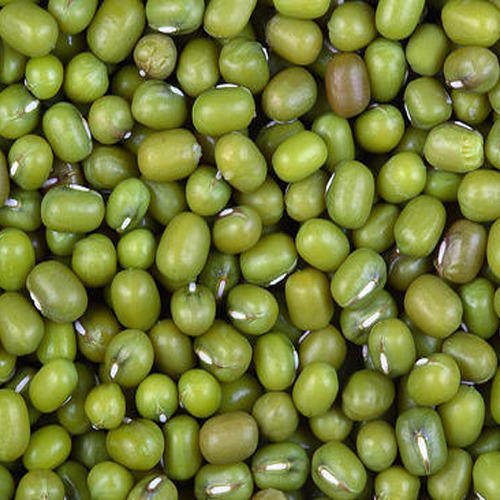
Germination / Sprouting of Lentil called MOONG DAL WHOLE in my country India
Soak 1 cup Moong Lentils overnight in water. It is enough for one person’s diet for 3-4 days.
Drain the water next day & leave wet. Cover with wet cotton cloth if whether is dry. Rinse with fresh water in the evening.
Second day rinse again with fresh water twice a day morning and evening. Now u will see white roots coming out. Start consuming 5-6 teaspoons as soon as sprouting begins.
Third day rinse again with fresh water twice, the roots will be little longer. Can consume again morning and evening.
Fourth day repeat rinsing. The roots are 1 inch long. It is the best full of healthy nutrients. Enjoy morning and evening.
Repeat again for next four days.
Raw sprouts are the best. U can steam for 5- 7 minutes for a different taste. Add finely cut onions, tomato, green chillies, coriander/cilantro, lemon/lime juice, salt & turmeric for a different taste.
Sprouts act both as Prebiotic and Probiotic and are better than pre-probiotic capsules.
Raw sprouts are just like cashews in taste so also i enjoy them eating raw.
Please note-
Sprouts are best if consumed raw.
The best thing is they increase metabolism ( digestion and absorption) of food in our bodies with many more benefits.
Sprouts contain many good quality vitamins and minerals and in addition contain many phytonutrients unknown to me, you, dietitians and doctors.
NO SUGAR and sugar products please.
I think and am sure Sprouts will certainly make life of Parkinson’s patients better.
She recommends that sprouts should be taken empty stomach in the morning for better results. Eat breakfast after 2 hours if possible.
Many persons who currently experience symptoms of Parkinsons are terribly frustrated. They have determined through one diagnostic test or another that their body contains toxins – perhaps a heavy metal or pesticide or herbicide or…
Research on Parkinson’s symptoms has revealed many toxins are the culprits that wreak havoc on neurological systems. It does not take much to upset neurons. Their sensitivity is off the charts.
This frustration stems from various attempts to get rid of the toxins. Valiant efforts are made. Nothing seems to do the trick. Have you experienced this frustration?
Perhaps you listen to one of my radio shows with a prestigious researcher who recommends herbs as the ideal detox.
You buy the herbs.
You take the herbs.
The recommended treatment is engaged.
Alas, the toxins continue to stick to your tissues like super glue. Diagnostic assessments reveal the guilty toxin is still present in dangerous levels. It does not get more frustrating than this, eh?
Most people who follow my work are dedicated to the end goal of recovery. They do not give up with the first therapy. More investigation is launched. A second detox protocol is begun. This one involves chelation under the close supervision of their doctor.
After pursuing the chelation protocol to its logical end, the toxicity remains. Toxins have a stubborn resilience. They appears to love hanging out in your body.
You too are stubborn. You continue to embrace one detox protocol after another. After all, there are other protocols and other doctors. Still, results do not shift. The toxins refuse to budge. Frustration begins to sizzle like a steak on a backyard grill in summertime.
Nothing Gets Rid of My Toxins
You certainly did not extend an invitation for the toxin to invade your body.
You certainly did not marry the toxin.
The toxins are just like a foreign enemy that refuses to surrender. Why? They are fighting furiously to defend their own territory which, of course, happens to be inside your body.
Why in the world does the highly toxic substance insist on invading your body when they were not invited and certainly not welcome and worse have become encapsulated? The answer to this million dollar question turns on a connection that is a mystery to most people.
Toxins and trauma go hand in hand like two love birds on their honeymoon. Toxins do stick to the cells like super glue until trauma (which is also trapped at the cellular level) is released.
Agent Orange
The connection between toxins and trauma is profound. I will focus on one strong connection to explain the connection: exposure to Agent Orange (a deadly toxin) and the neurological symptoms associated with a diagnosis of Parkinsons Disease.
The body has an intricate system for eliminating toxic substances. It retains what is needed and throws out what is unnecessary or harmful. If there is a massive exposure of a toxin, it will take the body time – sometime years – to release all the nasty chemicals that will eventually devastate the organs and tissues.
Why is it then that some soldiers who were exposed to Agent Orange during the Vietnam war are just now showing the effects of that exposure as seen through neurological symptoms, cancers or other illnesses? Wasn’t 40 years sufficient time for the body to do its job? Not when trauma was present at the time of the exposure.
The Vietnam War (as with any war) was a horrifying experience for all military personnel who participated. Trauma was not experienced for a brief minute as is the case with an automobile accident. It was experienced throughout the duration of their service which was one long year.
When a soldier was exposed to Agent Orange, they were functioning under highly traumatic conditions. At the moment of the exposure the body makes a direct connection between the two. There is a tight connection is formed at that very moment between the toxin and the trauma.
What does the body do under traumatic circumstances? It either flees or freezes.
Soldiers could not flee unless they deserted. Some did. Suicide is an option some elected to take. The much more common reaction is to freeze.
This is what all animals do under such circumstances. They freeze dead in their tracks, hoping that the enemy will not spot them. All secondary systems in the body are shut down, including the systems that eliminate toxins naturally.
The toxins are tied, linked and stuck to the trauma. It is as if they are married to one another, holding hands as they celebrate their 40th anniversary.
If you fit into that category of persons who are frustrated because you have been unable to eliminate toxins (we we all have toxins in our body) then I suggest that you first investigate therapies that will help you release the trauma. Redirect your energies toward the work of releasing the trauma that is trapped inside the cells of your body.
Release of toxins will follow in due course. Many options are available today that help people with Parkinson’s symptoms release the trauma that has been frozen in their cells.
Settle on a therapy that your intuition tells you is perfect for you and your body.
Experience the relief from stress and tension as the trauma takes a long awaited exit from the stage of your life.
Watch the secondary benefit with delight as those nasty toxins begin to stampede out of your body at long last.
There exists a wide variety of factors that can inflame Parkinson’s symptoms. Of course, everyone knows dopamine is often deficient, but what is the cause of this? The most important reason that symptoms flare up is unrelenting anxiety caused by stress.
Members of my global audience consistently say they had to deal with extremely stressful situations before their symptoms became problematic. Reports vary but always involve challenges in their life that result in high anxiety and stress.
Perhaps their business confronted financial or legal problems.
Perhaps a family member died.
Perhaps a child became addicted to alcohol or street drugs.
Perhaps there was a stressful divorce.
Regardless of the specifics, anxiety persists day in and day out, week after week. The stressful circumstances do not let up. Relaxation is not an option. Worry is constant. The neurological system becomes locked on overdrive.
Feelings triggered by the continuous onslaught of stressful circumstances get stuck in the body like super glue. To celebrate a relief of symptoms, any and all trauma that has been trapped in the cellular structure of the body has to be released.
Is your body rigid?
Are you often anxious?
Is stress unrelenting?
The best way to calm and even eliminate symptoms is to address and release traumas from the past including childhood. In doing so the body becomes flexible, calmer and less stressed.
I have developed a free course which offers ways to release the traumas that are trapped in your physical body. Click on the link below to register:
Has your doctor recommended that you take CoQ10 for Parkinsons (Coenzyme Q10) along with your regular medications? Many doctors do. CoQ10 has been found deficient in persons diagnosed with Parkinsons. Some health care professionals I have interviewed report medications can deplete CoQ10 in the body which makes supplementation essential.
CoQ10 is no doubt a key anti-aging nutrient. It prevents free radical damage to the DNA in the mitochondria. It is also recommended for persons with heart issues. A 10 year longitudinal study published in the European Journal of Heart Failure found that taking CoQ10 improved the survival for patients who confront the constant threat of heart failure.
So it is important to start taking a CoQ10 supplement. There are so many choices on the market today.
Which Brand of CoQ10 for Parkinsons is Recommended?
I hesitated to offer a recommendation for CoQ10 until I discovered recently the research behind a CoQ10 product produced by Pharma Nord of Denmark. First, let me explain why so many of the CoQ10 choices eat up your pocket book but offer no benefit whatsoever.
Most Coenzyme Q10 products sold today have negligible absorption rates. We are talking 1% at best. Why is this so? The melting point of CoQ10 is 10 degrees above body temperature. Most of the supplements you buy even those with oil, have crystallized.
Pharma Nord https://www.pharmanord.comhas developed the most studied brand of CoQ10 globally. The proprietary heat treatment process greatly facilitates absorption. More than 75 studies have now been published that document its superior absorption of the Pharmanord CoQ10 when compared to other brands.
Pharmanord CoQ10 Discount
The price is reasonable. You can order the Pharma Nord CoQ10 directly on their website. Their professional staff generously set up a 20% discount for members of my audience. You can claim this discount only if you ship to a USA destination. Enter the coupon code PRQ10WEB to claim the generous 20% discount (not case sensitive). The 20% discount will soon be available to those of you will live in countries other than the US.
Check out the research for yourself. It is extensive and impressive.
What does it take to reverse symptoms with Parkinsons? How can you obtain support for recovery from Parkinsons using natural therapies? I document what individuals do to celebrate a successful recovery and capture their wisdom in a Parkinsons Recovery® course that offers fresh approaches that can reverse symptoms of Parkinsons.
Are the solutions simple?
Are they straightforward??
Is there a particular set of therapieas that account for success?
Is success quick?
When I review the profile of success stories, the answer to all of these questions is no. Rest assured however that more and more people are finding ways to successfully reverse their symptoms with natural methods and therapies.
What frustrates many is that I have documented over one hundred therapies that are proven was to reverse the symptoms of people confronting symptoms of Parkinsons. This 2026 opportunity helps you sort through the natural options that are most likely to help you personally and learn all about the recent cutting edge discoveries that are making a big difference to the lives of many.
Solutions are not simple or straightforward.
Multiple therapies and approaches are needed.
Recovery requires experimentation to discover what works and what does not help.
I invite you to take advantage of the day in and day out support for recovery from Parkinsons to celebrate a successful journey down the road to recovery. Start today to join with others who have succeeded in reversing their symptoms.
For more information about this opportunity visit:
I am excited to announce that my new online course, Fundamentals of Health, is available for registration today.
As many of you are aware, I have meticulously documented dozens of natural therapies in online courses that reverse symptoms such as tremors and mobility challenges. My new course addresses a bigger issue:
What basic support does the body need to maintain a steady state of health as we age as well as reverse whatever symptoms we currently experience?
Hosting interviews with 300 guests on Parkinsons Recovery Radio has proven very beneficial for me personally. It has given me the unique opportunity to pick and choose therapies that research and users report have been most beneficial. These choices have paid off for me personally. I am healthy today.
My new course demonstrates therapies I personally use to support the ability of my body to sustain excellent health. Research evidence that supports the efficacy of these therapies is also included.
Click on the link below to register for my new course:
It has long been known that studies have documented an excess of iron in persons who experience Parkinson’s symptoms. More recent studies posted below confirm this. There is clearly a strong connection between iron accumulation and Parkinsons. But why?
An excess of iron in the body leads to premature cell death and the emergence of chronic illnesses including Parkinsons. One option to discuss with your doctor is to begin giving blood on a regular basis. Regular blood donations depletes the excess of iron in the bloodstream and reverses the acceleration in aging that results.
Aging is a multifactorial process marked by a progressive decline in physiological function and increased vulnerability to neurological diseases. A central feature of aging is inflammaging, a state of chronic low-grade inflammation driven by cellular senescence, mitochondrial dysfunction, and oxidative stress.
Both ferroptosis and cuproptosis have emerged as critical mechanisms linking redox imbalance, mitochondrial stress, and disrupted metal homeostasis to age-related pathology. Ferroptosis, an iron-dependent process characterized by lipid peroxidation and impaired glutathione activity and cuproptosis, a copper-dependent mechanism associated with protein lipoylation stress, intersect with aging-related changes in mitochondrial and metabolic function.
Importantly, these two forms of cell death should not be viewed as entirely separate pathways but rather as interconnected axes. Disturbances in copper or iron homeostasis converge to lower cellular survival thresholds, thereby exacerbating oxidative damage, immune dysfunction, and tissue degeneration. This speeds up aging.
******
Research on Iron Accumulation and Parkinsons
J Magn Reson Imaging. 2026 Jan;63(1):196-204.Hemispheric Asymmetry of Neuromelanin-Iron Dysfunction in the Substantia Nigra: MRI-Based Evidence for Lateralized Motor Onset in Early-Stage Parkinson’s Diseas
Abstract
Background: Parkinson’s disease (PD) often presents with lateralized motor symptoms at onset, reflecting asymmetric degeneration of the substantia nigra (SN). Neuromelanin (NM) loss and iron accumulation are hallmarks of SN pathology in PD, but their spatial distribution and interrelationship in PD patients with right-sided (PDR) or left-sided (PDL) motor symptom onset remain unclear.
Purpose: To investigate the spatial vulnerability and interrelationship of NM and iron in the SN among PDR, PDL, and healthy controls (HCs) using MRI.
Study type: Prospective.
Population: 56 early-stage PD patients (28 PDR: 55.93 ± 7.41 years, 16 female/12 male; 28 PDL: 59.04 ± 10.44 years, 13 female/15 male) and 30 age- and gender-matched HCs (57.47 ± 4.07 years, 17 female/13 male).
Field strength/sequence: 3-T, T1-weighted Fast Spoiled Gradient Recalled (FSPGR) and gradient recalled echo (GRE) for quantitative susceptibility mapping (QSM).
Assessment: Voxel-wise group comparisons of NM and iron were performed, and overlapping clusters with co-localized NM loss and iron deposition were identified. Mean cluster values were extracted for subsequent group comparison and NM-iron relationship modeling.
Statistical tests: Welch’s analysis of variance (ANOVA), Chi-squared test, Mann-Whitney U, voxel-wise analysis of covariance (ANCOVA), bidirectional mediation, partial correlation.
Results: Cluster 1 (PDR vs. HC) in left nigrosome-1 showed concurrent NM reduction (1.14 ± 0.09 vs. 1.30 ± 0.06) and iron increase (0.14 ± 0.06 vs. 0.08 ± 0.04 ppm); Cluster 2 (PDL vs. HC) in right nigrosome-1 also showed concurrent NM reduction (1.15 ± 0.06 vs. 1.28 ± 0.07) and iron increase (0.16 ± 0.05 vs. 0.10 ± 0.04 ppm). Bidirectional mediation revealed significant NM-iron direct and indirect effects in PDR and PDL (vs. HCs).
Data conclusion: This study demonstrates contralateral nigrosome-1 as the vulnerable region with concurrent Neuromelanin loss and iron accumulation and exhibits reciprocal mediation effects between Neuromelanin and iron in early-stage PD.
******
Free Radic Biol Med. 2019 Mar:133:221-233. Striking while the iron is hot: Iron metabolism and ferroptosis in neurodegeneration
Abstract
Perturbations in iron homeostasis and iron accumulation feature in several neurodegenerative disorders including Alzheimer’s disease (AD), Parkinson’s disease (PD) and Amyotrophic lateral sclerosis (ALS). Proteins are pathologically associated with neurodegeneration are involved in molecular crosstalk with iron homeostatic proteins.
Quantitative susceptibility mapping, an MRI based non-invasive technique, offers proximal evaluations of iron load in regions of the brain and powerfully predicts cognitive decline. Molecules that target elevated iron have shown promise against PD and AD in preclinical studies and clinical trials.
Despite these strong links between altered iron homeostasis and neurodegeneration the molecular biology to describe the association between enhanced iron levels and neuron death, synaptic impairment and cognitive decline is ill defined.
In this review we discuss the current understanding of brain iron homeostasis and how it may be perturbed under pathological conditions. Further, we explore the ramifications of a novel cell death pathway called ferroptosis that has provided a fresh impetus to the “metal hypothesis” of neurodegeneration.
The removal of iron through chelation or genetic modifications appears to extinguish the ferroptotic pathway. Conversely, tissues that harbour elevated iron may be predisposed to ferroptotic damage. These emerging findings are of relevance to neurodegeneration where ferroptotic signalling may offer new targets to mitigate cell death and dysfunction.
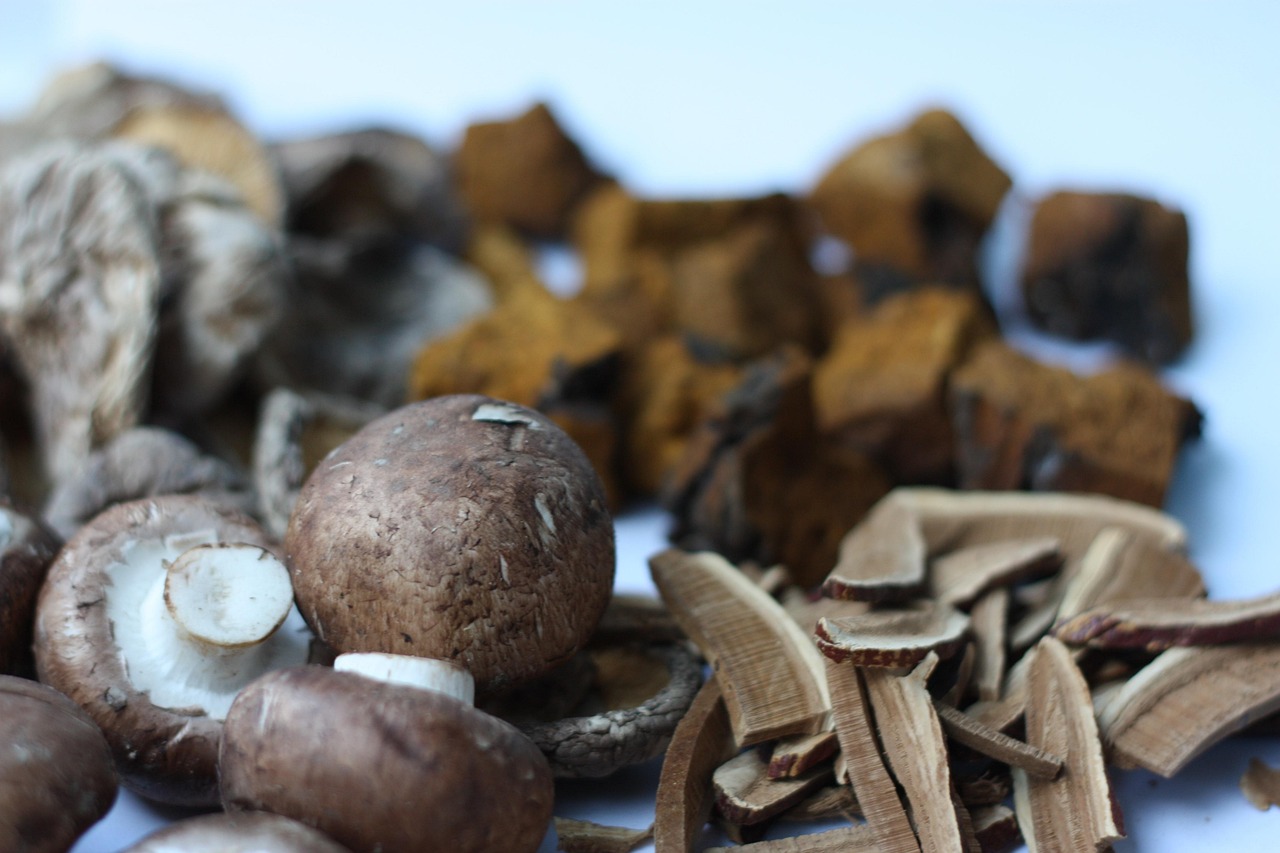
There are amazing benefits for many varieties of mushrooms. Chaga mushroom benefits count as one variety that has attracted the attention of researchers.
Several members of my audience include Chaga as a fundamental to the success of their recovery program. Studies recently find there are hidden chaga mushrooms benefits, though no studies evaluate chaga mushroom benefits for Parkinsons.
One study found that an excessive intake of chaga resulted in renal disease, so moderation is recommended for those who elect to explore this little employed treatment remedy.
What are Chaga Mushrooms?
The fungus of chaga mushroom grows predominantly on birch trees as well as other tree species, including beech, oak, alder, and ash. Chaga appears as a dark brown or black woody growth resembling a crusty, burnt mass on the trunks of these trees.
Beneath its dark woody exterior, chaga has bright rust-colored flesh full of delicious antioxidant compounds. Chaga is not technically a mushroom though it is often referred to a mushroom. t is often called a “medicinal mushroom” because it is also a fungus like mushrooms.
Studies that Report Chaga Mushroom Benefits
Mycology. 2023 Oct 20;15(2):144-161.Therapeutic properties of Inonotus obliquus (Chaga mushroom): A review
Abstract
Inonotus obliquus, also known as Chaga, is a medicinal mushroom that has been used for therapeutic purposes since the sixteenth century. Collections of folk medicine record the application of Chaga for the treatment of diseases such as gastrointestinal cancer, diabetes, bacterial infection, and liver diseases.
Modern research provides scientific evidence of the therapeutic properties of I. obliquus extracts, including anti-inflammatory, antioxidant, anticancer, anti-diabetic, anti-obesity, hepatoprotective, renoprotective, anti-fatigue, antibacterial, and antiviral activities. Various bioactive compounds, including polysaccharides, triterpenoids, polyphenols, and lignin metabolites have been found to be responsible for the health-benefiting properties of I. obliquus. Furthermore, some studies have elucidated the underlying mechanisms of the mushroom’s medicinal effects, revealing the compounds’ interactions with enzymes or proteins of important pathways.
******
Int J Mol Sci. 2025 May 15;26(10):4729. INO10, a Chaga Mushroom Extract, Alleviates Alzheimer’s Disease-Related Pathology and Cognitive Deficits in 3xTg-AD Mice
Abstract
Alzheimer’s disease (AD) is a progressive neurodegenerative disorder characterized by cognitive impairment with amyloid accumulation, tau hyperphosphorylation, and neuroinflammation. Among these pathological features, microglial activation is hallmark of neuroinflammation.
Chaga (Inonotus obliquus) extract has been traditionally used for its diverse pharmacological properties, including anti-inflammatory and neuroprotective effects. This study aimed to evaluate the therapeutic potential of INO10, an inotodiol-rich chaga extract, in murine BV2 microglial cells and a 3xTg-AD mouse model. In BV2 cells, INO10 significantly reduced LPS-induced expression of pro-inflammatory cytokines (IL-1?, IL-6, TNF-?), indicating its potent anti-inflammatory effects. Oral administration of INO10 significantly improved spatial memory in 3xTg-AD mice, as evidenced by increased spontaneous alternation in the Y-maze test.
Furthermore, INO10 treatment attenuated neuroinflammation, as indicated by reduced microglial activation and downregulated expression of pro-inflammatory cytokines. In addition, immunohistochemical analysis confirmed that INO10 exhibited favorable bioavailability, supporting its potential as a neuroprotective agent. Histological analysis further revealed a reduction in Ab accumulation and tau phosphorylation in the hippocampus, accompanied by a marked decrease in neuroinflammatory markers.
These findings suggest that INO10 effectively mitigates AD-related pathology by reducing deposition, tau hyperphosphorylation, and neuroinflammation, ultimately leading to cognitive enhancement. Given its multi-target neuroprotective properties, INO10 may serve as a promising natural compound for AD treatment
******
J Korean Med Sci. 2020 May 18;35(19):e122. Development of End Stage Renal Disease after Long-Term Ingestion of Chaga Mushroom: Case Report and Review of Literature
Abstract
Chaga mushrooms are widely used in folk remedies and in alternative medicine. Contrary to many beneficial effects, its adverse effect is rarely reported. We here report a case of end-stage renal disease after long-term taking Chaga mushroom. A 49-year-old Korean man with end stage renal disease (ESRD) was transferred to our hospital. Review of kidney biopsy finding was consistent with chronic tubulointerstitial nephritis with oxalate crystal deposits and drug history revealed long-term exposure to Chaga mushroom powder due to intractable atopic dermatitis.
We suspected the association between Chaga mushroom and oxalate nephropathy, and measured the oxalate content of remained Chaga mushroom. The Chaga mushroom had extremely high oxalate content (14.2/100 g). Estimated daily oxalate intake of our case was 2 times for four years and 5 times for one year higher than that of usual diet.
Chaga mushroom is a potential risk factor of chronic kidney disease considering high oxalate content. Nephrologist should consider oxalate nephropathy in ESRD patients exposed to Chaga mushrooms.
You have likely heard recommendations to eat lots of leafy green vegetables like spinach and asparagus. There is a rational explanation for this often repeated recommendation. Folate metabolism is particularly problematic for persons experiencing Parkinson’s symptoms.
You will know if folate metabolism is a problem if you are unusually fatigued and tired all the time. One reason can be an iron deficiency. Another common reason for persons with Parkinsons is an issue with folate metabolism.
Folate Functions
Folate (Vitamin B9) facilitates the synthesis of DNA, supports the healthy division of cells and produces red blood cells. Most importantly when it comes to Parkinson’s symptoms folate plays a central role in supporting brain health and preventing dementia.
There is a downside to folate. It exhausts availability of vitamin B12 in the body. This creates a shortage that is problematic for individuals with Parkinsons. Certain medications can cause a depletion vitamin B12. Combined with the fact that folate uses up B12 – you have a double whammy. Depletion of B12 for persons who confront neurological challenges can be extreme.
What is the big deal about a vitamin B12 deficiency? B12 plays a surprising number of essential functions in the body. It …
Facilitates production of red blood cells
Nourishes nerves
Regenerates neural pathways
Converts food into energy
Reduces fatigue
Regulates mood
Lowes homocysteine levels
Supports the cardiovascular system
Given the benefits of B12 above, deficiencies can result in a variety of troubling symptoms including …
Difficulty walking
Unsteadiness when walking
Brain fog
Poor concentration
Numbness in the extremeties
Digestive problems
Shortness of breath
And this is not even the complete list.
Summary. Folate plays an important role in supporting essential functions in the body. Eating foods that have a high folate content is advisable with the caveat that supplementation of B12 will likely also be recommended by your doctor.
Research on Folate Metabolism and Parkinsons
Curr Nutr Rep. 2026 Apr 27;15(1):40. Role of Folate Metabolism in Neurodegenerative Diseases: Insight from Experimental and ClinicalStudies
Abstract
Purpose of Review: Folate is a key regulator of one-carbon metabolism (OCM), which supports essential physiological processes, including DNA synthesis, repair, methylation, amino acid homeostasis, and redox balance. It is also crucial for brain health throughout life, from neural tube formation during early development to neurotransmitter synthesis, myelination, neuronal development, synaptic plasticity and cognitive function during later stages of life. Disruption of folate-mediated OCM (FOCM) can adversely affect brain health and contribute to neurodegeneration.
In this review, we summarize current evidence linking FOCM dysregulation to neurodegenerative diseases, emphasizing disease-specific mechanisms and the therapeutic potential of modulating folate metabolism, as evidenced by experimental and clinical studies.
Recent Findings: Disruption of FOCM can lead to oxidative stress, impaired methylation, excitotoxicity, and neuroinflammation, thereby contributing to neurodegenerative diseases. In Alzheimer’s disease, impaired FOCM promotes amyloid accumulation, tau pathology, cognitive decline, and vascular dysfunction, consistent with low folate and elevated homocysteine observed clinically, though supplementation outcomes remain mixed.
In Parkinson’s disease, folate deficiency and hyperhomocysteinemia exacerbate motor deficits and dopaminergic neurodegeneration via oxidative stress, mitochondrial dysfunction, and NLRP3-mediated inflammation and combined folate and vitamin B12 supplementation may reduce levodopa-associated risks.
Summary: Overall, maintaining optimal folate levels may be a promising strategy to support brain health and reduce the risk of neurodegenerative disorders.
No doubt many factors potentially contribute to walking difficulties that can involve freezing, stumbling, shuffling or even falling. Regardless of the challenges, how can you improve walking gait?
Walking difficulties become more challenging with multi-tasking. When walking alone and totally focused on the task of walking, gait difficulties are minor. When walking and talking with a friend while holding a dog at the very same time, gait disturbances become problematic.
OK. So that is the problem. What needs to happen to improve your walking gait? Consider two options.
Never multi-task when walking
Practice the skill at multitasking.
As a side note – men as a general rule have significantly more difficulty with multi-tasking than women so the first option may be preferred for men over the second.
The second option involves practicing the skill at multi-tasking doing fun and engaging exercises that coordinate the intricate interactions between the mind and body.
For suggestions of just such a simple and fun activity, watch my short video below.
Discover other strategies, therapies and programs that will convert walking difficulties to rock solid walking in the Parkinsons Recovery online course Rock Solid Walking.
Below are the questions I asked Jaroslov Boublik PhD, one of the researchers who formulated the Aquas, about how and why hydration benefits healing the body from the inside out.
Why can’t we become better hydrated by simply drinking more water?
Why do we become more dehydrated as we age?
Why is a well hydrated body essential to eliminating toxins from the body?
Why can’t we become better hydrated by simply drinking more water?
How do the following affect hydration?
Salt Energy Drinks Coffee Alcohol Milk
Answers to Other Questions
What are the symptoms of dehydration?
Do structured water products facilitate better hydration?
Does good hydration help alleviate symptoms of diseases?
Listen to this clip of my interview with Naturopath John Coleman who succeeded in reversing all of his Parkinson’s symptoms using a variety of approaches, therapies and methods. Here is what he has to say about how to tame tremors. His answer will surprise you.
Tremors of course can be a perpetual irritant. Most people make an effort to quiet their tremors by holding them or sitting on them. Tremors are actually the natural way the body uses to release stress and trauma.
Cells divide and replicate continuously. Abnormal cells results from this process due to radiation, infection, chemical irritation and free radicals. Abnormal cells are implicated in a wide variety of diseases.
Certain extracts from plants and foods offer the best medicine ever when it comes to celebrating a relief from chronic conditions. One plant in particular that happens to contain “miracle” ingredients is Aloe Vera which is used to heal cuts and burns. Aloe also contains a molecule that provides healing of chronic conditions from the inside out.
Healing Properties of Aloe Vera
The body is equipped with with an immune system that surveys and recognizes aberrant cell structures which it then either repairs or destroys. When damaged cells are not recognized and repaired, life threatening health problems can arise.
Healthy cells are nourished by the food we eat. Most modern diets do not have the nutrients required to support cell rejuvenation and regeneration. Without proper nutrition, cells will not have the capability to perform their normal biochemical processes. Unless corrected, this unnatural biochemistry leads to chronic conditions like Parkinsons and Alzheimers. Only food can restore the balance of biochemical processes without affecting other aspects of physiology.
About Acemannan
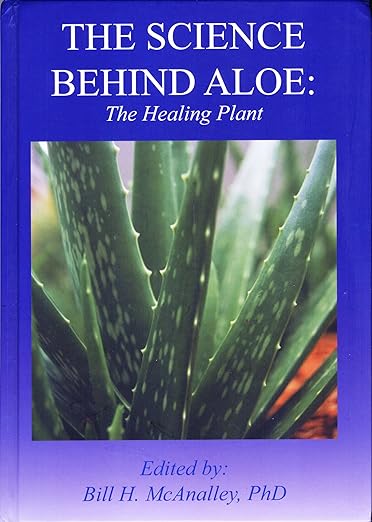
Bill McAnalley PhD is the scientist who first discovered and revealed the healing component of Aloe Vera which is called Acemannan. His book reveals the – get this – 6,000 year-old history of therapeutic applications for Aloe vera up to more recent discoveries.
Some naturally occurring dietary polysaccharides (e.g. acemannan) can help maintain the proper structure and function of cells. More specifically, they can stimulate the immune system (i.e. macrophages in particular) to identify and manage aberrant and foreign cells. By enhancing the normal function of macrophages, the body is able to effectively maintain and regulate its functions. Dietary polysaccharides are one of nature’s means of ensuring optimal health
Recent developments in immunology have allowed scientists to understand the role of Acemannan, and other similar food polysaccharides, in supporting systemic immune health.
Visit the replay link below of a presentation by Kari Skinner who discusses the healing properties of Acemannan. Her focus is on how this extract in particular offers the potential to help persons currently confronting neurological symptoms.
Recent studies have documented a connection between insulin resistance and Parkinsons. Exercise is the best treatment for Parkinsons because in large part it has a direct and profound impact on ability of the body to process sugars.
Muscles play a leading role in glucose uptake which which is why exercise is one of the most effective ways to improve the management of blood sugars in the body. Exercising muscles increases glucose utilization and improves insulin sensitivity. This makes it possible for the body to regulate blood sugar more efficiently and effectively.
An isolated exercise session temporarily improves glucose utilization. Regular exercise leads to lasting improvements in the ability of the body to assimilate and process sugars which is why exercise is the best treatment for Parkinsons.
Why do I say best here? Annual Parkinsons Recovery® surveys reveal that the therapy most frequently listed as beneficial for celebrating relief from Parkinsons symptoms is – you guessed it – exercise.
Aerobic exercise improves glucose regulation. Weight lifting and resistance exercise improves the strength of muscles and the capacity of the body to store sugars. Adding both types of exercise to exercise routines would thus be particularly beneficial.
Robert Rodgers PhD Founder 2004 Parkinsons Recovery® robert@parkinsonsrecovery.com
Have been struggling with the ups and downs of recovery? Has your success been terribly frustrating? Check out John Colemans remarkable story of recovery from Parkinsons.
If so, you are not alone. Naturopath John Coleman ND from Australia offers an honest account of his journey down the road to recovery which took 3 1/2 years. He is symptom free today. This truly is a remarkable story of recovery from Parkinsons.
John refers to two therapies in particular that were especially helpful to his recovery: Bowen Therapy and the Aquas. More information is provided for each in the links below:
My invitation for you this week is to sign and post a declaration of independence for Parkinsons. Many people (myself included) have throughout much of our life looked outside of our inner wisdom for answers. We have referred to the experts, persons in white coats or fancy suits or dresses, individuals with fancy initials beside their name, initials like PhD, MD, ND … You can list for yourself the assortment of initials that you have seen listed beside people’s names who you have sought consultations from. My own list fills up two sheets of paper.
Because power was acceded to others, we, you, I and many others gave up our own sense of independence, our own ability to make decisions that are in our best and highest good.
Loss of control is the underlying frustration that underpins symptoms of Parkinson’s. The secret to recovery is to take control back. And why wait? Do it now.
Clearly it makes good sense to seek out advice from the experts. To see what people recommend is often a wise and smart course of action. Yet many of us, and I say again myself included, have many times wanted someone else to fix us, to make it all right. In so doing, we acceded our power, our inner wisdom and our ability to know what is right for us.
It is one thing to say that the body knows how to heal itself. That is certainly a mindful statement. It is also one thing to be sensitive to the signals that our body sends to us.
Yet, it is also easy to slip out of that mindful space and to seek relief without checking in with our bodies; without asking whether or not this is in fact what our body truly needs in order to come back into balance and harmony.
Your body, my body, any body contains limitless wisdom. We have the power and the ability to know what is in our best interest. Becoming mindful of that wisdom is the key to recovery. Our body is the one and only resource that knows what is best for us.
Declaration of Independence for Parkinsons
I invite you on this day and this hour to print out the declaration of independence below, sign it, then post it on your refrigerator or your bathroom mirror. Read the declaration out loud to yourself for 21 days. If you happen to neglect to read the statement, start the count of 21 days all over again. It is time to honor the body’s ability to heal from the inside out.
In the beginning, one cell was formed inside the womb of my mother that captured the wisdom of all that I am today. The wisdom of one is 10 billion times seven fold today as I am equipped today with a mind to organize my thoughts, a heart to evaluate them and a voice to express them.
At this time and this hour I declare my mind, heart and voice to be independent of any and all control over the health and well being of my body.
I acknowledge the miracle of life itself.
I celebrate the ability of my body to rejuvenate despite any and all limitations I currently experience.
I see limitless possibilities to manifest any and all of my dreams.
I cast off any and all limitations for recovery I have imposed on myself and imposed by others.
I assert the independent responsibility to decide what actions are in my best and highest good.
I acknowledge that the conditions which foster imbalances in my body are complex and multi-faceted.
On this day I ask for and openly receive healing.
I pledge from this day forward to listen to the wisdom of my body.
I commit to take any and all actions that are needed and necessary to bring my body back into balance.
I welcome the opportunity to transform bad habits that have been making me ill.
I refute the oppressive and dehumanizing claims that recovery is not possible.
I accept and welcome full responsibility for the health and wellness of my body.
I acknowledge that a therapy or treatment that helps one person may not necessarily be helpful to others or myself.
I commit to continue my journey down the road to recovery with the intention to persevere despite any and all setbacks and challenges I encounter along the way.
By affixing my signature below, I join with others who honor the power of the body to heal itself as I restore, rejuvenate and regenerate the inner wisdom of my body to heal itself.
Exercise is a proven way of helping people with Parkinsons reverse their symptoms. Yoga for Parkinsons is one way of exercising that has proven extremely helpful for many.
Some people confronting problematic symptoms think yoga is reserved for athletic types. A dedicated group of individuals with Parkinson’s have found a program tailored to people of all levels practice yoga on a regular basis.
Yoga for Parkinsons Testimonials
Three members of the Yoga for People with Parkinson’s classes in Seattle, Washington tell their stories about how yoga has provided them with remarkable relief from their symptoms.
Is yoga a therapy that is right for you? Listen to these incredible student testimonials and decide for yourself. Yoga is a time-tested, natural therapy and if practiced on a regular basis you can expect often dramatic improvements in flexibility, strength, balance and peace of mind. That formula is hard to beat.
Many products sold in grocery stores list “natural flavors” as one of the ingredients. I certainly applaud any ingredient that is natural. but are natural flavors really natural?
Natural Flavor Ingredients
While the source of “natural flavors” must be natural from plant or animals, the final flavoring mixture usually consists of 80% or more “incidental” additives. These can include:
Chemical Solvents
Preservatives
Emulsifiers
Chemicals added to enhance flavor
Carriers like propylene glycol which has been connected to kidney and central nervous system problems
Food manufacturers are not required to list incidental additives on the food’s ingredient panel. They are come under the umbrella of a “natural flavor”. The term in food labels of packaged foods can include a variety of both foods and chemicals. A single natural flavor listing in a product can contain a shocking number of chemical additives.
Summary: As long as the primary flavoring source derives from plant or animal material, the entire mixture can be labeled simply as a “natural flavor.” In some cases the additives will do not harm. In others they will. I personally do not buy any food products that include a “natural flavor” in the ingredient listing.
Many people who experience symptoms of Parkinsons Disease engage an aggressive search for ways to reverse them. Secrets to healing are somewhere “out there” in the universe.
The belief is that most of the good answers are difficult to find. The journey for the right answers is much like a treasure hunt for a treasure that is buried in a secret vault – a Fort Knox of sorts that locks up all the answers for reversing Parkinson’s symptoms.
Sometimes the journey involves finding one solution after another. When one solution fails to produce desired results, a new solution or therapy is pursued. Some people chase after dozens of therapies. Results are often disappointing time and time again. The search for answers “out there” is exhausting!
Research can and does make a difference. Being better informed can and does make a difference to recovery. That is why I maintain the massive body of resources on options for recovery on the many Parkinsons Recovery websites I maintain.
There is a downside to a search “out there” somewhere for answers. It activates a continuous infusion of adrenaline. Adrenaline rushes are stimulating. They energize the body into action. The downside to adrenaline rushes is that the body has no energy or resources to produce dopamine. What is needed to reverse symptoms is to maintain a delicate balance of dopamine and adrenaline.
Recovery is Always Moving Toward You
There is a companion approach to a search for answers that offers the promise of marvelous results. Think about recovery as an opportunity that is always moving toward you. It is not something you have to discover by searching long and hard in places far away.
One of the seven secrets to healing a chronic illness like Parkinson’s disease is to listen to the messages your body is always trying to communicate to you. The body has a memory of the perfect state of wellness and health. Disease is not the body’s natural state. Health is. the body is always striving to reverse any disease process that causes neurological symptoms.
Your body is giving you important information every day. Perhaps your intuition tells you to stop dying your hair or stop using a particular shampoo or stop using laundry detergent that is toxic. Perhaps you always tend to discount the instincts about recovery that you get every day. When you begin to trust these instincts you may marvel at how much better you begin to feel.
Finding natural ways to die your hair is not a solution that is “out there.” It is right here!
Finding a natural shampoo without toxins is not a mysterious solution that is “out there” somewhere. It is right here!
Changing your laundry detergent is not a task that can be performed only by a rocket scientist.
You can do it – right now.
The reality is that recovery is staring you in the face every day. Your job is simple. Pay attention. Act on any and all intuitions that you get when you listen to your body.
The body has all the resources it needs to maintain the delicate balance of adrenaline and dopamine. You usually have to make some life style changes to give the body the support it needs. When the body has the resources it needs to maintain balance, symptoms will melt like an ice cream cone on a hot summer day.
The answers have been staring you in the face all along. They are not “out there.” They have always been moving toward you.
This is a detailed report from responses provided by persons with Parkinson’s symptoms who responded to the 2024 Parkinsons Recovery Survey. The two minute survey asks two questions.
First, how have respondents been feeling since the previous holiday season one year ago (better, same, worse)
Second, what therapies have offered them symptom relief.
Listen to my reading of responses that reveal a huge range of therapies, methods and activities that offer symptom relief.
Bottom line: Many people believe that all persons diagnosed with Parkinson’s disease are destined to degenerate over time. As with the results of previous years, findings from 2024 soundly refute this false belief.