A growing body of research reports a compelling connection between gut bacteria and Parkinsons. Studies conclude the cause of Parkinsons does not originate from the brain. It originates from a compromised digestive system.
Check out the abstract of a study posted below for confirmation. Hundreds of studies that now draw the same conclusion. Individuals with Parkinsons tend to be highly constipated years before the diagnosis.
The flow of energy through the various meridians of the body is what sustains life. What meridians connect to the brain? Answer: The digestive meridians – all of them. If your digestion is compromised, your brain will be too.
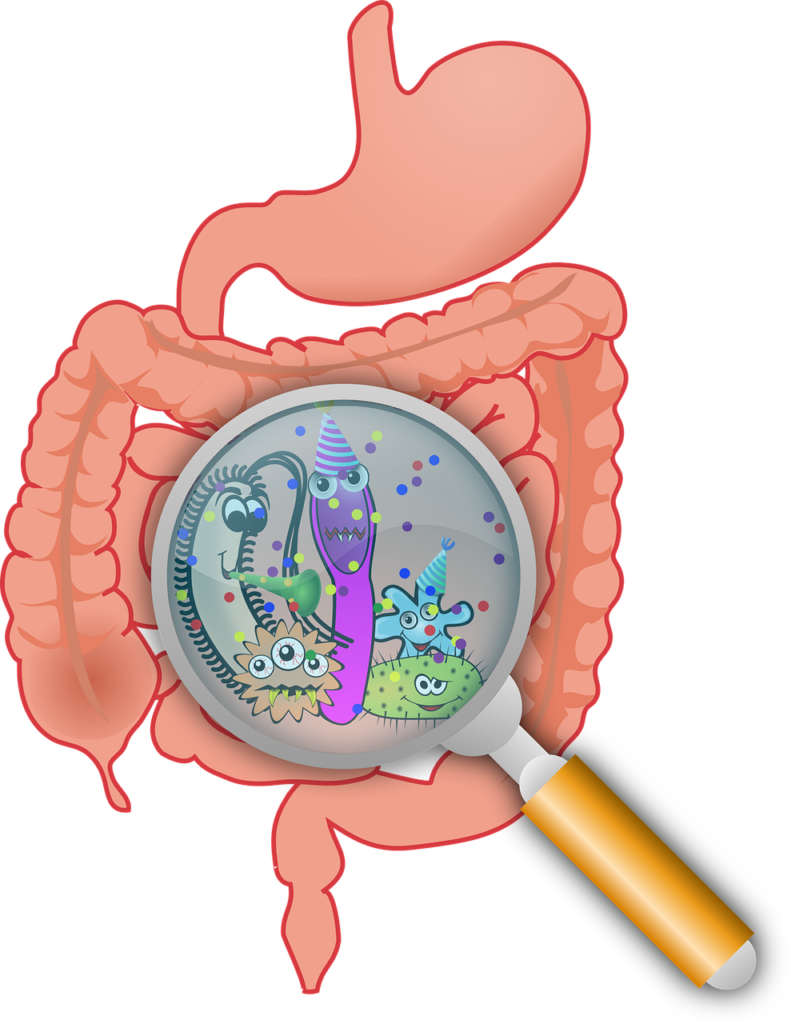
Do you experience issues with your digestive system? Are you constipated? Your gut is likely to be the source of the neurological problems you confront.
Solution for a Sick Gut
- What do you do about a sick gut?
- How can you improve the overall function of your digestive system?
A diversity of gut bacteria is the key to a healthy digestive system and subsequent relief from neurological challenges. How diverse are we talking here? As many as ten or perhaps 20 good bacteria in your gut to facilitate good digestion?
The gut contains between two and six pounds of bacteria which have their own genes. One gram from a stool contains billions of bacteria. In short, we are talking here about a multitude of bacteria that are needed to digest and process the food we ingest.
Some are “bad” bacteria that eat up the “good”. If you do not have a sufficient number of the “good” – the “bad” will prevail which is a formula for digestive disaster.
Or, the “good” bacteria can target the “bad” for destruction. The gut is a battlefield of a never ending war. The conclusion of this never ending war is that the “bad” bacteria always prevail.
“Bad” bacteria are nourished in this battle for survival when processed foods and sugar are the dominant diet for a person. “Bad” bacteria feed on sugar. People who live in underdeveloped countries tend to have a rich diversity of bacteria in their gut and as a result, are less likeyl to have neurological challenges.
This is why diversity of the “good” bacteria in your gut is the first step in celebrating relief from Parkinson’s symptoms.
You can infuse your digestive system with “good” bacteria by eating a diet composed of 80% plant foods. You really do not need to be specific here – the more the differences the better. Foods like celery, maca root, apples cinnamon, raison, onions, garlic, leeks, asparagus, Jerusalem artichokes, apples, bananas, berries, beans fit this category.
You may be allergic to some of the foods in this list so be judicious about the foods your body can tolerate. There are many plants that contribute to the diversity your gut needs, so there are many foods that can be eaten that qualify as providing “good” bacteria.
A companion strategy to diversity the bacteria in your gut is to take probiotics. The gold standard probiotic is Dr Ohhiras.
Conclusion: What is the first step to take on a successful journey down the road to recovery? Focus on bringing a compromised gut back on line.
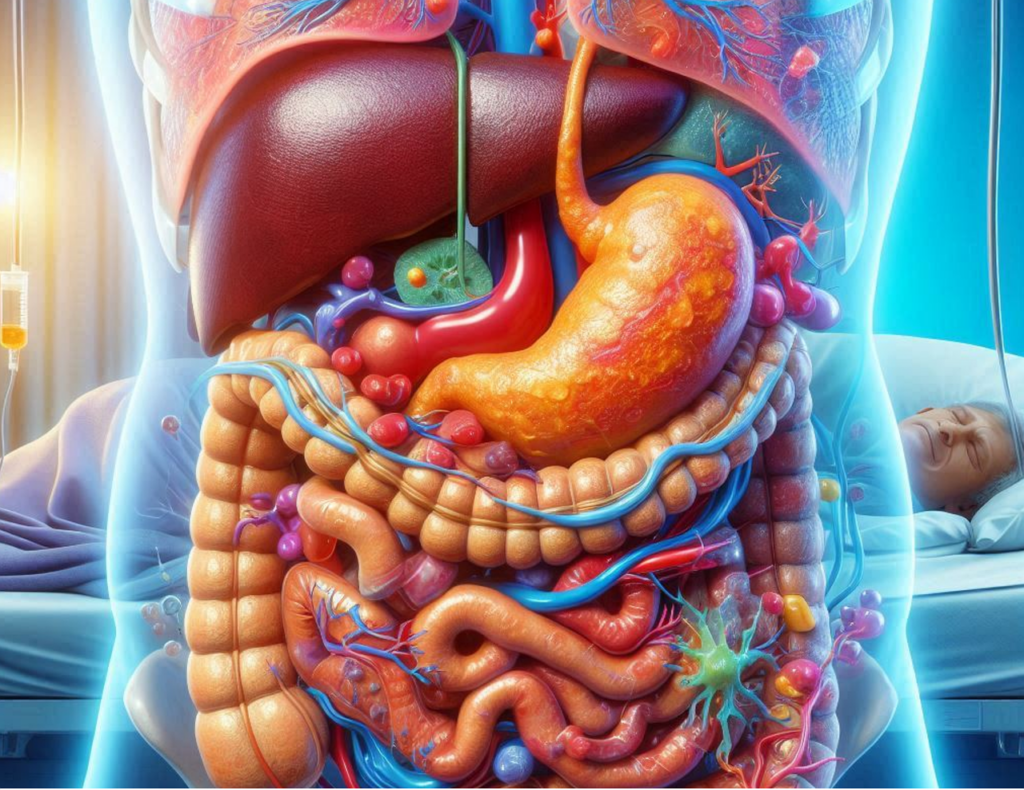
Rsearch on the Gut Bacteria and Parkinsons
Zh Nevrol Psikhiatr Im S S Korsakova. 2025;125(11. Vyp. 2):18-23. Brain-gut-microbiome» axis in patients with Parkinson’s disease
Abstract
Parkinson’s disease (PD) is one of the most common motor neurological diseases. The clinical presentation of PD includes both motor symptoms (hypokinesia, muscle rigidity, and tremor) and non-motor manifestations (asthenia, depression, hyposmia), as well as cognitive disorders.
The primary link in PD pathogenesis is considered to be the accumulation of pathological ?-synuclein; however, neuroinflammation, oxidative stress, mitochondrial dysfunction, and dysregulation of the Brain-gut microbiome axis also contribute to the pathological processes.
This review of modern medical literature, encompassing domestic and foreign authors, summarizes recent studies on the significance of gastrointestinal tract changes in PD patients. The analysis revealed the involvement of the microbiome and specific bacterial taxonomic groups in the development of PD.
In addition, the accumulation of alpha-synuclein, according to recent data, begins specifically in the nerve plexuses of the intestine and then spreads along the nerves upward into the central nervous system, affecting the substantia nigra, in particular.
Robert Rodgers PhD
Founder 2004
Parkinsons Recovery®
https://www.parkinsonsrecovery.com




Leave a Reply