This brief video explains my program of recovery and the recovery warranty that comes along with it.This opportunity expires today (Monday, August 31st).
Click the link below to enroll:
Enroll Me in Your Recovery Program
Use the coupon code succeed to claim a 50% discount off of the monthly subscriptions.
Enrollment Includes:
1. Initial strategy session with me personally to flesh out the potential causes of your symptoms to identify therapies and treatments that will successfully address them.
This is not some surface-level consultation. It is a deep dive into your specific history and situation. We evaluate what you have tried that did not succeed and what did help. We consider new options.
2. Together we lay out a custom-crafted program of recovery created specifically for your situation.
3. We connect with hour long depth sessions twice a month for six (6) months with a video type interface similar to Zoom or with phone calls if that is more convenient.
4. Together we review all the options given the probable cause of your symptoms and focus on therapies that offer the greatest possibility of success. The program of recovery is re-evaluated and adjusted as needed from session to session.
During our sessions every two weeks we …
- Review your progress since our last session together
- Identify and solve any roadblocks you confronted
- Refine strategies based on real-world results documented by research
- Help track and celebrate your progress
- Accelerate your progress with options documented by research proven to offer symptom relief
5. Unlimited email access to me personally so we can always be in touch between sessions.
6. Enrollment in the Parkinsons Recovery® Jump Start to Wellness course is included.
Guarantee
The goal of these bi-weekly sessions for six months is for you to celebrate a relief from your symptoms. If for any reason you do not experience the relief from symptoms you anticipated after six months, 80% of all subscription payments will be refunded.
Note: As a researcher, not a medical doctor, I do not address issues with prescription medicines. Your medical doctor is the go to person to sort these issues out. We focus on natural options that offer the opportunity to recover.
Robert Rodgers PhD
Founder 2004
Parkinsons Recovery®
Road to Recovery from Parkinsons Disease
Opportunity expires today. Consultations with Founder of Parkinsons Recovery Robert Rodgers PhD to help you sort out the natural options that would prove most helpful to your Recovery.
* Is your recovery stuck in the mud?
* Are you totally frustrated with symptoms that are getting worse?
Turn your recovery around with ongoing one on one consultations with me to identify the best treatment options that will address your situation. Visit the link below for more information and to register.
everyexpert.com/robertrodgersphd
Enter the coupon code succeed to claim a 50% discount.
Robert Rodgers PhD
Founder 2004
Parkinsons Recovery®
robert@parkinsonsrecovery.com
Traditional mouthwashes are thin liquids, filled with alcohol and harsh chemicals that burn the mouth. Alcohol destroys the good bacteria needed to digest food. For these reasons a natural remedy for gut problems is not mouthwashes that contain alcohol.
SUVIA is entirely different. SUVIA isn’t just another mouthwash. It is a daily oral care RINSE designed to support a healthier mouth.
It all comes down to the hydrogel difference. A hydrogel is a three-dimensional network of polymer chains that retain massive amounts of water—often up to 99% of their weight—while maintaining a solid or gel-like structure
- SUVIA forms a protective shield. Swishing it creates an ultra thin, hydrogel film. You won’t see it, but the film stays in place, adhering to oral tissue to manage any discomfort. It also protects wounds.
- SUVIA is made of 100% natural food ingredients made from aloe vera, xylitol, cinnamon, clove, and thyme and water. No alcohol. No synthetic chemicals.
- SUVIA creates the conditions for optimal healing. Unlike mouthwashes, it does not numb the mouth. Instead, it manages pain while maintaining the moist environment required for optimal wound healing.
Discover more about SUVIA here: Suvia
SUVIA manages pain/discomfort and protects oral wounds from further irritation and contamination to promote optimal healing from a variety of conditions including …
- Dentures
- Braces & Appliances
- Cold Sores
- Fever Blisters
- Canker Sores
- Implants
- Brushing and Flossing
- Post Dental Work
- Eating and Drinking Injuries from hot or sharp food
- Any other issued that cause pain, discomfort or blood in your mouth
Conclusion
A reason people have gut problems and constipation that defy resolution centers on problems that reside in the mouth, not the digestive system itself. Heal problems in your mouth to celebrate a natural remedy for gut problems. And when the gut is back on line, neurological symptoms should gently resolve.
Robert Rodgers PhD
Founder 2004
Parkinsons Recovery®
Road to Recovery from Parkinsons Disease
An update on nicotine as treatment for Parkinsons is reported in the new 2026 study findings reported below. This study concludes that nicotine provides welcome relief from tremors but also impairs robust cognitive functioning. It is contraindicative for Alzheimers.

Like pretty much everything in life, there are pluses and minuses to pretty much any treatment. Think of the choice as a two edged sword. Nicotine may offer relief from tremors but also result in cognitive impairment..
There is a natural alternative to nicotine which is derived from food which I think is worth consideration. It does not have the side effects of nicotine but provides similar benefits.
Anatabine is a minor natural alkaloid structurally similar to nicotine. It is found in low levels in plants of the Solanaceae family, including tobacco, tomatoes, potatoes and peppers. It has been studied for potential anti-inflammatory and neuro-protective properties.
Research Updates on Nicotine as Treatment for Parkinsons
Curr Neuropharmacol. 2026 Jun 12. Online ahead of print.
Nicotine Versus Non-Nicotine Constituents in Neurodegenerative Risk: Evidence from Multivariable Mendelian Randomization
Abstract
Background: Nicotine has complex neuropharmacological actions through nicotinic acetylcholine receptors, but its independent role in neurodegenerative diseases remains unclear because tobacco smoke contains many non-nicotine toxicants. This uncertainty limits the interpretation of nicotine- and nAChR-targeted therapeutic strategies, especially as electronic nicotine delivery sys-tems become more common. We used Mendelian randomization to genetically separate nicotine-related effects from smoking-related non-nicotine effects on major neurodegenerative diseases and related prodromal conditions.
Methods: We performed univariable two-sample Mendelian randomization (MR) and multivariable MR (MVMR) analyses. Summary-level exposure data for cigarettes per day (CPD) and the nicotine metabolite ratio (NMR) were analyzed against individual-level, smoking-stratified outcome data derived from 337,334 UK Biobank participants, to evaluate their respective causal effects across six neurodegenerative outcomes: Alzheimer’s disease (AD), Parkinson’s disease (PD), amyotrophic lateral sclerosis (ALS), tremor, early cognitive impairment (EC), and other neurodegenerative diseases (OND).
Findings: MVMR analyses revealed that nicotine exposure was a causal risk factor for AD (ever smokers: OR=0.90, 95% CI 0.83-0.98; current smokers: OR=0.76, 95% CI 0.64-0.91). Nicotine exerted a causal protective effect against tremor (OR=1.24, 95% CI 1.03-1.49) and EC (OR=1.14, 95% CI 1.04-1.24) in current smokers. Non-nicotine tobacco constituents were identified as risk factors among former smokers for EC (OR=1.61, 95% CI 1.04-2.50).
Conclusions: Exposure to nicotine can increase the risks of AD, while conferring protective effects against tremor and EC. Furthermore, exposure to non-nicotine tobacco constituents acts as a risk factor for the incidence of EC.
Eur J Pharmacol. 2026 Feb 10:1014:178537. Anatabine: a substitute for the medicinal activity of nicotine
Abstract
Side effects and dependence limit the clinical application of nicotine. Anatabine, a structural analogue of nicotine, shares key molecular characteristics. Network-pharmacology and molecular-docking analyses demonstrate that both compounds target nicotinic acetylcholine receptors (nAChRs), with the pyridine ring serving as the primary interaction site.
This review synthesizes the pharmacology of anatabine, including anti-inflammatory, neuroprotective, and immunomodulatory activities, and underscores a therapeutic potential comparable to that of nicotine. Although anatabine shows affinity for ?7 nAChRs similar to that of nicotine, the role of this receptor in the effects of anatabine remains unclear. Nicotine exhibits substantially greater activation capability at ?4?2 nAChRs than anatabine (nicotine: EC50 = 0.4 ± 3.9 ?M; Imax = 17 ± 4 %; anatabine: EC50 = 8.4 ± 5.2 ?M; Imax = 4 ± 3 %), likely associated with differential electrostatic interactions between the two compounds with key residues (244, 385) within ?4?2 nAChRs. Consistently, anatabine shows a relatively low activity for ?4?2 nAChRs, which is closely related to nicotine dependence.
This may partly account for its lower addictive potential and milder central effects in disorders such as anxiety and Parkinson’s disease. Furthermore, its reported effectiveness in attenuating nicotine dependence and clinical use as an anti-arthritic dietary supplement to alleviate arthritis further supports its translational potential.
In summary, anatabine may represent a potentially safer alternative to nicotine with distinct pharmacological properties. This review comprehensively outlines its synthesis, quantification, and pharmacological activities, and provides perspectives for the subsequent research and development of anatabine.
Robert Rodgers PhD
Founder 2004
Parkinsons Recovery®
| New technologies offer exciting opportunities for persons confronting chronic conditions like Parkinsons. Six ground breaking discoveries that heal chronic conditions are revolutionizing treatment options for persons experiencing neurological problems like Parkinsons and Alzheimers. |
Available for a limited time only. Consultations with Robert to Facilitate Your Recovery * Is your recovery stuck in the mud? * Are you totally frustrated with symptoms that are getting worse? Turn your recovery around with a one on one consultation with me to identify the best treatment options that will address your situation. Visit the link below for more information and to register. everyexpert.com/robertrodgersphd Enter the coupon code succeed to claim a 50% discount. Robert Rodgers PhD Founder 2004 Parkinsons Recovery® robert@parkinsonsrecovery.com |
Good evening Robert. I’ve been reading these great books written by a guy named, Robert Rodgers, PhD…have you heard of him? I want everyone to know about how energy healing calms tremors or at least that has been my experience.
I was reading about energy healing, amongst a myriad of protocols and treatments suggested in your top ranked book Road to Recovery from Parkinsons Disease. I proceeded to type in a google search: energy healing in Hollywood for free.
Long story short…there is a spiritual community that is literally 5 minutes from where I live, and every Tuesday night, they welcome people for 1/2 hr hands on energy healing…cost: zero.
They train these healers and it’s all very legit. So I called, made an appointment and Tuesday night I went. Sat erect in a chair with my hands on my legs. My right hand tremor was very apparent. 10 minutes in, my fingers stopped shaking…my thumb continued. Then, at 15 minutes…my entire hand stopped shaking for the duration of the session, and it didn’t come back till I was outside. Amazing! Energy healing calms tremors.
The best news is that they suggested me coming every Tuesday night indefinitely!!
Robert, it’s true…
The best things in life are free!!
Blessings, Marsha
Dr. Reg MacDaniel MD is the international expert who offers a fascinating story behind discovery of Acemannan, an extract of the Aloe Vera Plant. In this interview with Dr. Reg, the wide scope of Aloe Acemannan research over the past 40 years is previewed.
Robert Rodgers PhD
Founder 2004
Parkinsons Recovery®
Road to Recovery from Parkinsons Disease
Visit the replay link below of a presentation by Kari Skinner who discusses the healing properties of Acemannan. Her focus is on how this extract in particular offers the potential to help persons currently confronting neurological symptoms.
Aloe has Magical Properties of Healing
I recommend this natural treatment option be given serious consideration. It supports the ability of the body to heal rather than simply suppressing symptoms with medicines and supplements for the rest of a person’s life.
For more information visit: alovea.com
Validation of Aloe Acemannan Bioactivity by Independent Researchers and Publications:
1.Annual Reviews of Biochemistry 1985 Vol 54 ,R. Kornfeld, S Kornfeld. Confirmed the fact that Carrington research for acetylated mannose (Acemannan) was bioactive compound in aloe leaf gel. 9 molecules in ER and Golgi form a domain on all cells in all organs for homeostasis. Probable scope for Acemannan benefits.determied by this
2.Journal of Alzheimer’s Disease 2013, J.E. Lewis et.al. University of Miami Miller School of Medicine. 69% of patients received improved memory and cognition with no toxicity. CDc-14 stem cells increased, and Brain neurotrophic factor elevated as mechanism of action. Highest level of evidence-based science attained.
3.Carbohydrate Polymers, Vol, 291, 2022, Xueli Tong, et.al. China Research Team. Aloe Acemannan has anti-cancer properties against colon cancer cells. Mitochondria produce caspase that destroys cancer cell protein and causes no harm to normal cells. A historic event. Cancer research sought this property and failed.
4. Journal of Drug Delivery Science and Technology, Vol. 60, 2020, Khursheed Ali, et. Al. Saudis Arabia Research Team. Aloe Acemannan has anti-cancer properties against breast cancer cells, Mitochondria release caspase 3 and 9, with p-53and bax gene products. Identical MOAs are in China and Saudia Arabia.
5. Solvay International Research producer of chick vaccine that mimics how a human immune system will respond. Over a million chicks in 10 broiler companies increased viral protection of flock from 60-65% to over 98% by adding a trace of Acemannan. Marek’s virus causing T-cell lymphoma was eliminated. This is the top cause of loss in broiler industry. Chicks gained more weight on less chow. Human DPT potential is vast in why chicks gained weight on less chow.
6.Fisher Proceedings Vol.3, 2003. A. Yisrael & M. Morris. Children rejected by state education system as public housing home failures with no academic future improved attitudes and class performance in church academy when a child’s Acemannan formulation was added to diet. Parents began support of education.
7.RFK Jr. Testimony to Congress made into a treatment pamphlet, Chapter 5, Statin drugs assailed for reducing cholesterol but not reducing strokes or cardiac attacks. Israel study in 2000 found that angina was eliminated and atheroma deposits in arteries reduced 30% by drinking pomegranate juice daily for a year.Aloe acemannanhas synergic property for allmolecules in indviduals.
Why
8. Nation Geographic Society Research identified 9 BLUE ZONES where plant-based diets and daily exercise resulted in better health and longevity, Acemannan is combined with numerous plant ingredients and provides a basis for health benefits of BLUE ZONES exist.
.
9.International Immunopharmacology, Vol 5, 2005, Sun A. Im, et. al All Acemannan powders do not have the same bioactivity due to processing methods. The top 5 marketed Acemannans were assayed for molecular weight distribution ranges. Lorand Laboratories Acemannan excelled at 18 & 22%, 400,000 Daltons and below molecular weight that maximally activates macrophages and the immune system. This is why we use Lorand Labs for superior bioactivity.
10. Australian Center for Complementary Medicine, Report Survey on 2400 Annual Dietary Supplement attendees taking primarily an aloe Acemannan formulation. 29 diseases and degrees of benefit are presented and a list of 47 symptoms with app. 1900 responses and amount of effectiveness are provided.
11,Molecular Biothermy.Vol 3,1991,University of Alabama and Southern Research Inst,, J. Kahlon, et.al.
RNA Interference Mechanism inactivated HIV-1 (AIDS) and Herpes Zoster viruses. FDA drug synergism reported. A genomic RNA audit rejects amino acid transformaion of foreign viral protein synthesis.
.
12.Fisher Proceeding, Vol.4,2000,Loma Linda School of Medicine, Pediatric Dept. S. Risen,et.al.
Standard Asthma Treatment Combined with Glyco and Phyto Nutrients. Patients showed respiratory improvements at 3months and sustained in 6 months. Exercise tolerance, drug used benefitted.
13. Fisher Proceedings Vol. ,2000.
Myesthenia Gravis study 80% off all drugs in 12 months.
14.
China paper called the Aloe Acemannan Bible. Carrington research from 1980s & 90s is cited and further research performed. Bone growth of face and regeneration of pulp in abscessed teeth is presented. Bibliography of multiple studies in foreign institutions are listed. Greatest source on aloe acemannan present.in all literature.
15. Fisher nstitute for Medical Research-syllabus.2002.by H.R. McDaniel. Intelligence Quotients (IQs) for 7 Fetal Alcohol Syndrome (FAS) were <50. Retested following rapid improvements and I Qs spanned from 80 to over 100. Foster parents had added Acemannan child’s formula to diets. How generation of millions of stem cells was developed and recognized.
What are the best natural remedies for Parkinson’s symptoms? Many centuries ago Hippocrates knew the answer to this question:
“Let your food by your medicine and your medicine be your food.”
Food is the best medicine when compared to all the options. It is a natural remedy with no side effects that is more effective than taking dozens of supplements every day.
Of course it depends on what food we are talking about here. The typical American diet acidifies the body which leads to chronic illnesses like Parkinsons. The ability to buffer acidity is exhausted by the young age of 45.
Worse, acidic bodies significantly reduce oxygen levels. Without sufficient oxygen circulating through the body, chronic illness can not be reversed.
Researchers have recently discovered that a specific extract from the aloe vera plant boosts the immune system and reduces inflammation. Both issues are well known to be a cause of Parkinson’s symptoms.
There is no doubt about it. The most effective medicines with no side effects are derived from plants. Extracts from certain foods heal a variety of conditions including Parkinsons and Alzheimers. They do not address neurological symptoms specifically but provide support for the body’s ability to heal from the inside out rather than suppressing symptoms temporarily.
We all know on some level that the aloe plant heals burns and cuts, but the health benefits from a specific extract derived from Aloe turn out to be far greater than wound healing alone.
Researchers have named this extract Acemannan. Its health benefits are considerable including it …

- Reduces inflammation
- Has a molecular structure similar to a mother’s milk which offers support needed by newborns to thrive
- Helps regulate the immune system by stimulating one that is under-active and depressing one that is over-active
- Supports the function of a healthy gut
- Repairs cellular damage
- Facilitates the creation of new stem cells
- Stimulates the production of glutathione
As a natural food the extract of Acemannan from the Aloe plant has no documented side effects.
Visit the replay link below of a presentation by Kari Skinner who discusses the healing properties of Acemannan. Her focus is on how this extract in particular offers the potential to help persons currently confronting neurological symptoms.
Aloe has Magical Properties of Healing
I recommend this natural treatment option for Parkinsons be given serious consideration. It supports the ability of the body to heal rather than simply suppressing symptoms with medicines and supplements for the rest of a person’s life.
For more information visit: alovea.com
Research on Acemannan
Pharmaceutics. 2023 Jul 9;15(7):1913. A New Biomaterial Derived from Aloe vera—Acemannan from Basic Studies to Clinical Application
Abstract
Aloe vera is a kind of herb rich in polysaccharides. Acemannan (AC) is considered to be a natural polysaccharide with good biodegradability and biocompatibility extracted from Aloe vera and has a wide range of applications in the biomedical field due to excellent immunomodulatory, antiviral, antitumor, and tissue regeneration effects.
In recent years, clinical case reports on the application of AC as a novel biomedical material in tissue regenerative medicine have emerged; it is mainly used in bone tissue engineering, pulp–dentin complex regeneration engineering, and soft tissue repair, among other operations. In addition, multiple studies have proved that the new composite products formed by the combination of AC and other compounds have excellent biological and physical properties.
Robert Rodgers PhD
Founder 2004
Parkinsons Recovery ®
https://www.blog.parkinsonsrecovery.com
robert@parkinsonsrecovery.com
I am guessing you have likely never heard about redox signaling molecules. A search on the depository of medical publications (pubmed.gov) reveals that more than 400 studies have been published in the first six months of 2026 alone. Over 7,300 studies have been published overall. This is a recent discovery that has attracted the interest of hundreds of researchers across the globe. I want you to know more about it too!
As is evident from my presentation above, I am excited about the potential for redox signaling molecules to offer welcome relief from neurological challenges.
Get all of your questions answered in several ways. First, visit https://www.recoverwithredox.net. Complete the contact form and a representative from the company will contact you to answer all of your questions.
Second watch this marvelous presentation on redox signaling by Alan Noble who really is the first person who recognized the value of this technology to bring the body back into balance and harmony.
https://www.blog.parkinsonsrecovery.com/redox-signaling/
Third, watch this short 6 minute youtube video that demonstrates how redox signaling has a quick impact on reducing inflammation in the brain.

What success have users had from using redox signaling? A website offers interviews with individuals who report positive experiences. Visit: realredoxresults.com. Enter the password redox for access to the interviews.
In summary, I recommend you take this option under serious consideration. It has clearly helped many people and offers the opportunity to help you too.
Robert Rodgers PhD
Founder 2004
Parkinsons Recovery®
https://www.parkinsonsrecovery.com
This brief post explores the connection between trauma and Parkinson’s disease. An idea that has been floating around for decades is that we are stuck with the genes we are born with. Some people are lucky and some unlucky. If we have a gene that predicts cancer – it is likely we will get cancer. If we have the genes that are disposed to Parkinson’s disease, we are likely to develop the symptoms of Parkinson’s. Some of us are dealt a lousy hand in life.
What circumstance switches a gene on or off? The answer will fascinate you. It is trauma! Research shows that the tendency toward post traumatic stress (which exhibits symptoms similar to those of Parkinsons) are passed down to the next generation. Children of holocaust survivors pass down a predisposition of stress and anxiety to their offspring.
You may have always thought that there have been no significant traumatic events in your life that could account for the degree of stress and anxiety that you currently experience. When you have heard me talk about the critical role of stress and trauma in affecting Parkinson’s symptoms, you may well have dismissed my argument. Recent research clearly shows that the origins of stress can reside in the experiences of ancestors.
How could traumatic events influence whether genes are turned on or off? Simple. When something cataclysmic happens to people they will say that they are not the same person. You may well have heard yourself or friends say the same thing. There it is my friend.
Robert Rodgers PhD
Founder 2004
Parkinsons Recovery®
https://www.parkinsonsrecovery.com
robert@parkinsonsrecovery.com
Olympia Washington
877-526-4646
Founder 2004
Parkinsons Recovery®
https://www.parkinsonsrecovery.com
robert@parkinsonsrecovery.com
Olympia Washington
877-526-4646
This post explores why high dose thiamine therapy can offer symptom relief from some persons diagnosed with Parkinsons.The good news of the day is that there may well be a simple solution to debilitating symptoms of Parkinsons for some individuals.
Some medical professionals endorse high dose thiamine therapy as a treatment for Parkinsons. Studies have reported that Thiamine (which is the technical term for Vitamin B1) tends to be deficient in persons experiencing neurological symptoms. The deficiency in part is due drug depletions from certain medications used to treat Parkinsons.
Beriberi is a disease of the nervous system which is also due to
a deficiency of Thiamine (Vitamin B1). Thiamine is needed to
breakdown food into glucose. It is also found in neural tissues.
Some people with Parkinsons celebrate a welcome improvement in symptoms after getting high dose B1 therapy from their doctor. Others have not.
The original source that recommended high dose B1 therapy is Dr. Anthony Costontini. You can listen to my interview with him here where he details his reasons for recommending this simple treatment.
https://www.blog.parkinsonsrecovery.com/high-dose-thiamine-for-parkinsons-disease/
How can you know whether high dose B1 therapy might be helpful for you? A good clue is whether you experience the symptoms associated with Beriberi disease which are similar to some of the symptoms of Parkinsons.
Beriberi Symptoms of the Nervous System
- Tingling or loss of feeling in the hands and feet
- Muscle weakness and pain in the legs
- Difficulty walking or loss of balance and coordination
- Lower leg paralysis or foot drop
Do you experience any of the symptoms above? If so, high dose thiamine therapy might just provide the relief you seek. I suspect this is why some people celebrate such welcome relief because they are deficient in vitamin B1. Consider discussing this treatment option with your doctor.
Research on B1 Deficiencies and Beriberi Disease
Curr Nutr Rep. 2026 Jan 29;15(1):8. B Vitamin Deficiencies and Associated Neuropathies
Abstract
Purpose of review: This review examines both historical and recent evidence to clarify the current understanding of the relationship between B vitamin deficiencies and neuropathies.
Recent findings: Vitamin B1 (thiamine) deficiency can lead to neurological disorders such as beriberi and Wernicke’s encephalopathy, conditions with significant prevalence and mortality rates. Vitamin B12 (Cobalamin) is crucial for DNA synthesis, fatty acid metabolism, and myelin production, with its deficiency leading to neuropathies and cognitive disorders. Excess vitamin B6 (pyridoxine), rather than deficiency, appears to be associated with neuropathy.
Takeaways/conclusions: Vitamin B1 and B12 deficiencies are linked to classic neuropathies, while the connection between vitamin B6 deficiency and neuropathy is less clear, though excess B6 is associated with neurotoxicity. Nutritional deficiencies are less common in developed countries but remain significant in developing nations. In developed countries, factors like alcohol consumption, bariatric surgery, and metformin use are increasing these deficiencies in clinical practice.
Med Princ Pract. 2026;35(1):18-24. An Overview of Beriberi
Abstract
Beriberi is a nutritional disorder caused by thiamine deficiency. Classically, Beriberi presents in two primary clinical forms: “wet” Beriberi, which features heart and circulatory system impairment, and “dry” Beriberi, which causes polyneuropathy.
Polyneuropathy is damage to peripheral nerves which are located outside your brain and spinal cord. The condition usually starts in the feet and hand and causes numbness, tingling, and weakness.
Although it is an easily treatable condition, it is often misdiagnosed and can be life-threatening if not promptly recognized and managed. The diagnosis of Beriberi is performed by the signs and symptoms of the disease and can be confirmed by thiamine deficiency identification or by therapeutic testing.
Immediate thiamine administration in the presence of clinical manifestations of the disease is recommended. Overall, 100-300 mg daily doses are enough to improve symptoms.
Robert Rodgers Phd
Founder 2004
Parkinsons Recovery®
Road to Recovery from Parkinsons Disease
The big picture when it comes to understanding of the connection between sleep and Parkinsons is a gross imbalance between the sympathetic nervous system and the parasympathetic nervous system.

The sympathetic system is easily understood as a flight-fight response. When we are afraid or anxious, we want to either run away from the problem or fight it directly.

The parasympathetic system is the opposite – the rest and chill out digest system. No one can digest their food when they are running a marathon. And no one can get to sleep if their muscles are postured to fight off an unwanted intruder into the bedroom.
We survive because both systems serve vital functions. When neurological symptoms become problematic, the sympathetic
fight-flight system takes charge most of the time. Adrenaline and cortisol are fueling the fire inside out tissues. We are forever ready to engage and fight, seldom chilling out to rest and digest.
When you calm down your stress level and release past traumas you awaken a dormant parasympathetic nervous system. We all can get overly excited in the flash of an instant. Relaxing can take endless hours of meditation, soft music and pleasant company.
Connection Between Sleep and Parkinsons is Profound
The formidable challenge confronted by anyone experiencing the symptoms of Parkinsons confront is that rarely if do they drop down in the deep REM sleep that is critical for healing. Healing is successful only when we experience the level of deep sleep that is critical for rejuvenating and regenerating tissues.
A persistent flight flight sympathetic nervous system that dominates during the day does not relinquish control at night when sleeping. Nope. Once the sympathetic nervous system shifts into control is is not about to give it up. The refusal to back down is analogous to politicians who refuse to relinquish their power.
We slip down into that unconscious state of deep sleep when the body is literally paralyzed (in a good sense). There is a switch in the mid brain which is designed to turn on and off this ability to become paralyzed.
With Parkinson’s, the on-off switch gets stuck.
Many people with Parkinsons symptoms hold the belief they are getting good enough sleep. Most people with neurological challenges are not.
are not.
The bottom line: introduce into your recovery program a set of therapies and ways that flip your switch at night so that your sympathetic nervous system is deactivated. Recovery will be at a stalemate until you achieve the deep state of REM sleep night after night.
Robert Rodgers PhD
Founder 2004
Parkinsons Recovery®
Connection between Processed Food and Gut Health
What makes a difference between people who recover from Parkinson’s disease and those who do not? Eating a healthy, clean diet plays a leading role. Processed food destroys gut health.
- People who eat processed foods with toxic additives tend flop with their recovery
- People who eat live, organic unprocessed diets thrive with their recovery.
Diet is key.
In my over 1,000 discussions with persons diagnosed with Parkinson’s disease, I have encountered many who are well aware of this truth and make valiant efforts to clean up their diets, but with only partial success. Why is this?
They are addicted to those diet colas and ice creams and other processed foods. The following research will offer a compelling reason why the addictions have to be overcome for recovery to manifest.
Processed Food Destroys Gut Health
There are “good” and “bad” bacteria in the gut. The many different strains of good bacteria are necessary for healthy digestion. The bad bacteria and more virulent strains can gobble up the good bacteria.
Many people eat relatively clean diets but little nutrition is absorbed because the bad bacteria are in charge of their digestion. Good bacteria is lacking and even absent in some. Unfortunately the result is constipation and a variety of other digestive challenges for many persons who experience Parkinson’s symptoms.
Recent evidence indicates that the “bad” bacteria are beginning to dominate the “good” in research samples that have been studied. Why is this?
Researcher Robert Britton PhD from the Baylor College of Medicine and his colleagues wanted to know why the more virulent strains like clostridium difficile or C.diff (which is horrible, life threatening infection) were becoming so much more prevalent and knocking out the good bacteria.
These horribly nasty bacteria love to eat some of the nastiest “bad” additives used to extend the shelf life and moisture of processed foods like diet colas. One of the worse culprits is the sugar trehalose which the bad bacteria loves to eat.
The bottom line:
Continue to eat any processed foods and diet colas and your digestion will implode. Constipation will persist. Long term prognosis is the worst imaginable.
When and if you fall off the wagon and drink that one little diet cola or eat that “delicious” processed brownie you will pay a dear price. Recovery ain’t happen’ for you my friend.
I do understand why it is difficult to break addictions to eating processed foods. There is always an underlying emotional attachment to them. But, if you have set the intention to reverse whatever symptoms you currently experience that are associated with a diagnosis of Parkinson’s disease, you do not have a choice.You have to eat a 100% clean, organic, unprocessed food.
Robert Rodgers PhD
Founder 2004
Parkinsons Recovery®
Road to Recovery from Parkinsons Disease
www.parkinsonsdisease.me
The answer to the question “What brand of CoQ10 is best?” has puzzled me for many years. The challenge with finding a reliable source turns on the fact Coq10 is not absorbed by the body.
I have been telling members of my global audience to avoid purchasing inexpensive brands because you are throwing your money away. The more expensive brands are clearly preferable.
The melting point of CoQ10 is 10 degrees above normal body temperature. Most of the supplements you buy – even those in oil – have crystallized even before you put them in your body.
Check it out for yourself. Paste whatever brand of CoQ10 you currently take on a sheet of wax paper. Then, shine the light from flashlight (or your phone) onto the spread of CoQ10. Do you see crystals? If so, your body is likely absorbing a tiny fraction of the CoQ10 from the supplement you are taking – as little as 1%.

In short, you are throwing your money down the toilet. This is partly why research studies find that you need to take relatively large doses of CoQ10. If the absorption is so terribly low, a high dose would be necessary.
You are having to spend a lot of money to get a modest benefit in return.
Natural pharmacist Ross Pelton tells me that the story does not end there. Even if the CoQ10 has not crystallized before you take it, it may crystallize after you take it. It was Ross who introduced me to the 75 studies of the Pharmanord brand of CoQ10 which reports a very high absorption rate.
I called the company to explore this further. I acquired some for myself and my family and have experienced more energy which I need desperately to keep up with the demands of Parkinsons Recovery. After over a decade of hesitation to recommend a best CoQ10 brand, I am finally comfortable recommending this one.
The price is also reasonable and you do not have to take as much. You can order the PharmaNord (https://www.pharmanord.com) CoQ10 directly on their website. Their professional staff set up a 20% discount for members of my audience. Enter the coupon code PRQ10WEB to claim a 20% discount (not case sensitive) if you are shipping to a USA destination.
Check out the Pharmanord research for yourself. It is extensive and impressive.
Robert Rodgers PhD
Founder 2004
Parkinsons Recovery®
Road to Recovery from Parkinsons Disease
https://www.parkinsonsdisease.me
Caloric restriction is a lifestyle modification in which the amount of calories ingested is reduced to a significant amount without resulting in malnutrition. The studies posted below conclude caloric restriction is beneficial for Parkinsons.
Caloric Restriction Mimetics offer a way to get the benefits of calorie restriction without the difficulty of strictly limiting food intake. These compounds act in ways similar to actual calorie reduction by activating cellular cleanup without requiring severe dietary limits.
The compounds are similar to actual calorie reduction by activating cellular cleanup without requiring severe dietary limits.
Key examples include spermidine (found in mushrooms) and resveratrol (found in grapes and berries). They mimic fasting, boost cell repair and offer potential treatments for neurodegenerative conditions like Parkinsons. They also improve glucose metabolism found to be an issue associated with symptoms of Parkinsons.
Summary: Caloric Restriction is Beneficial Parkinsons and show compelling promise as a natural therapy for all neurodegenerative conditions.
Why Caloric Restriction Matters
Neuroscience. 2025 Feb 16:567:235-248. Mechanisms and early efficacy data of caloric restriction and caloric restriction mimetics in neurodegenerative disease
Abstract
Neurodegenerative disorders (NDDs) have been prevalent for more than a decade, and the number of individuals affected per year has increased exponentially. Among these NDDs, Alzheimer’s disease, which causes extreme cognitive impairment, and Parkinson’s disease, characterized by impairments in motor activity, are the most prevalent.
While few treatments are available for clinical practice, they have minimal effects on reversing the neurodegeneration associated with these debilitating diseases. Lifestyle modifications and dietary choices are emerging and promising approaches to combat these disorders.
Of the lifestyle changes that one could adopt, a major habit is caloric restriction. Caloric restriction is a lifestyle modification in which the amount of calories ingested is reduced to a significant amount without resulting in malnutrition. However, maintaining such a lifestyle is challenging.
As alternatives, certain compounds have been recognized to mimic the effects produced by caloric restrictions. These compounds are called caloric restriction mimetics (CRMs). Among these compounds, some have been designated established CRMs, namely, resveratrol, metformin, and rapamycin, whereas several other candidates are termed potential CRMs because of a lack of conclusive evidence of their effects.
The potential CRMs discussed in this review are quercetin, chrysin, astragalin, apigenin, curcumin, epigallocatechin-3-gallate, and NAD+ precursors. This review aims to provide an overview of these CRMs’ effectiveness in preventing neurodegenerative disorders associated with aging. Moreover, we highlight the clinical relevance of these compounds by discussing in detail the results of clinical trials on them.
Curr Nutr Rep. 2024 Dec;13(4):691-700. Effects of Caloric Restriction and Intermittent Fasting and Their Combined Exercise on Cognitive Functioning: A Review
Abstract
Purpose of review: The impact of dietary habits on cognitive function is increasingly gaining attention. The review is to discuss how caloric restriction (CR) and intermittent fasting (IF) can enhance cognitive function in healthy states through multiple pathways that interact with one another. Secondly, to explore the effects of CR and IF on cognitive function in conditions of neurodegenerative diseases, obesity diabetes and aging, as well as potential synergistic effects in combination with exercise to prevent cognitively related neurodegenerative diseases.
Recent findings: With age, the human brain ages and develops corresponding neurodegenerative diseases such as Alzheimer’s disease, Parkinson’s disease, and epilepsy, which in turn trigger cognitive impairment. Recent research indicates that the impact of diet and exercise on cognitive function is increasingly gaining attention.
The benefits of exercise for cognitive function and brain plasticity are numerous, and future research can examine the efficacy of particular dietary regimens during physical activity when combined with diet which can prevent cognitive decline.
Robert Rodgers PhD
Founder 2004
Parkinsons Recovery®
Analysis of factors associated with a diagnosis of Parkinsons among Finland patients identified one factor in particular: antibiotic treatments for infectious conditions. Here we have further confirmation that the gut microbiome plays a leading role in causing the symptoms of Parkinsons.
Eliminating harmful bacteria is clearly a step in the right direction, but if antibiotics are found to be problematic, what alternatives are available?
A surprising number of foods facilitate the elimination of harmful bacteria. Here is the short list:
- Oregano
- Tumeric
- Garlic
- Ginger
- Honey (Mauka)
- Cinnamon
- Myrrh
Finland Study that Concludes Antibiotics Linked to Parkinsons
Mov Disord. 2020 Mar;35(3):431-442.Antibiotic exposure and risk of Parkinson’s disease in Finland: A nationwide case-control study
Abstract
Background: Gut microbiota alterations have been found in prodromal and established Parkinson’s disease (PD). Antibiotic exposure can have long-term effects on the composition of human intestinal microbiota, but a potential connection between antibiotic exposure and risk of PD has not been studied previously.
Objective: To evaluate the impact of antibiotic exposure on the risk of PD in a nationwide, register-based, case-control study.
Methods: We identified all patients who were diagnosed with PD in Finland during the years 1998 to 2014. Information was obtained on individual purchases of orally administered antibiotics during the years 1993 to 2014. We assessed the association between prior antibiotic exposure and PD using conditional logistic regression.
Results: The study population consisted of 13,976 PD cases and 40,697 controls. The strongest connection with PD risk was found for oral exposure to macrolides and lincosamides (adjusted odds ratio up to 1.416; 95% confidence interval, 1.053-1.904). After correction for multiple comparisons, exposure to antianaerobics and tetracyclines 10 to 15 years before the index date, sulfonamides and trimethoprim 1 to 5 years before the index date, and antifungal medications 1 to 5 years before the index date were positively associated with PD risk. In post hoc analyses, further positive associations were found for broad-spectrum antibiotics.
Conclusions: Exposure to certain types of oral antibiotics seems to be associated with an elevated risk of PD with a delay that is consistent with the proposed duration of a prodromal period. The pattern of associations supports the hypothesis that effects on gut microbiota could link antibiotics to PD,
Robert Rodgers PhD
Founder 2004
Parkinsons Recovery®
What is the foundational issue that fuels symptoms of chronic illness day in and day out? Answer: trauma. Trauma distorts our human energy field which must be restructured for symptoms of chronic illness to resolve.
Path to Recovery Presents Unexpected Challenges
One path to recovery is to make the body more resilient by taking the best supplements and eating the most nutritious foods possible. Many people with chronic illnesses like Parkinsons take hand fulls of vitamins and supplements every day with the intention of helping their bodies regain strength and health. This is a sound strategy guided by the expectation the body lacks essential nutrients to heal.
This approach supports the recovery process but wait. Why do so many people who attempt this approach experience a health condition that continues to deteriorate? They are doing everything right, eh?
- They eat pure, clean food.
- They ingest the best supplements available.
- They exercise.
- Symptoms continue to pester.
How frustrating can a recovery program get? You are doing everything you are supposed to be doing and yet continue to be sick? Really?
Distortions in the Human Energy Field Sustain Chronic Illness
I have a fresh perspective on healing chronic illness for you to consider. There is something missing in a recovery program. It will not be genuinely successful without restructuring the human energy field. You cannot move forward with recovery through a single minded focus on giving your body more high quality fuel.
Why? The energy field is mangled, twisted, distorted and entangled.
Such entanglements are caused by a wide variety of influences over the course of a lifetime including…
- Toxic exposure
- Mental abuse
- Physical abuse
- Stress
- Traumatic experiences
- Accidents
- Beliefs that are not true
- Ongoing thoughts that reinforce past traumas
Clearing influences in entangled and blocked energy fields is the key to creating the conditions necessary for the body to heal. The body has the wisdom to heal, but when our energy field is tangled and twisted, the path to recovery is detoured into oblivion until the distortions in the human energy are cleared and reset.
How go about clearing distortions in your energy field? Energy healings can be very beneficial which can take a variety of forms: craniosacral therapy, Bowen therapy and energy healings. In addition, thoughts that are not in your best and highest good need need to be transformed. If you hold the belief near and dear to your heart that recovery is impossible, you will assuredly manifest this false belief.
Summary. Everyone encounters traumas that take a variety of forms – whether physical or emotional. Clearing past traumas along with providing your body with the nutrition needed to heal and exercising are the route to a successful recovery.
Robert Rodgers PhD
Founder 2004
Parkinsons Recovery®
People who celebrate a successful recovery learn how to maintain the rest and digest state of the parasympathetic nervous system. Research concludes that light therapy shuts down anxiety. A single session use of the Vielight Vagus light therapy sinks the body into that delicious state of calm and relaxation.
Anxiety is the fuel that sustains symptoms of Parkinsons. A central way to reduce anxiety is to gently stimulate the vagus nerve.
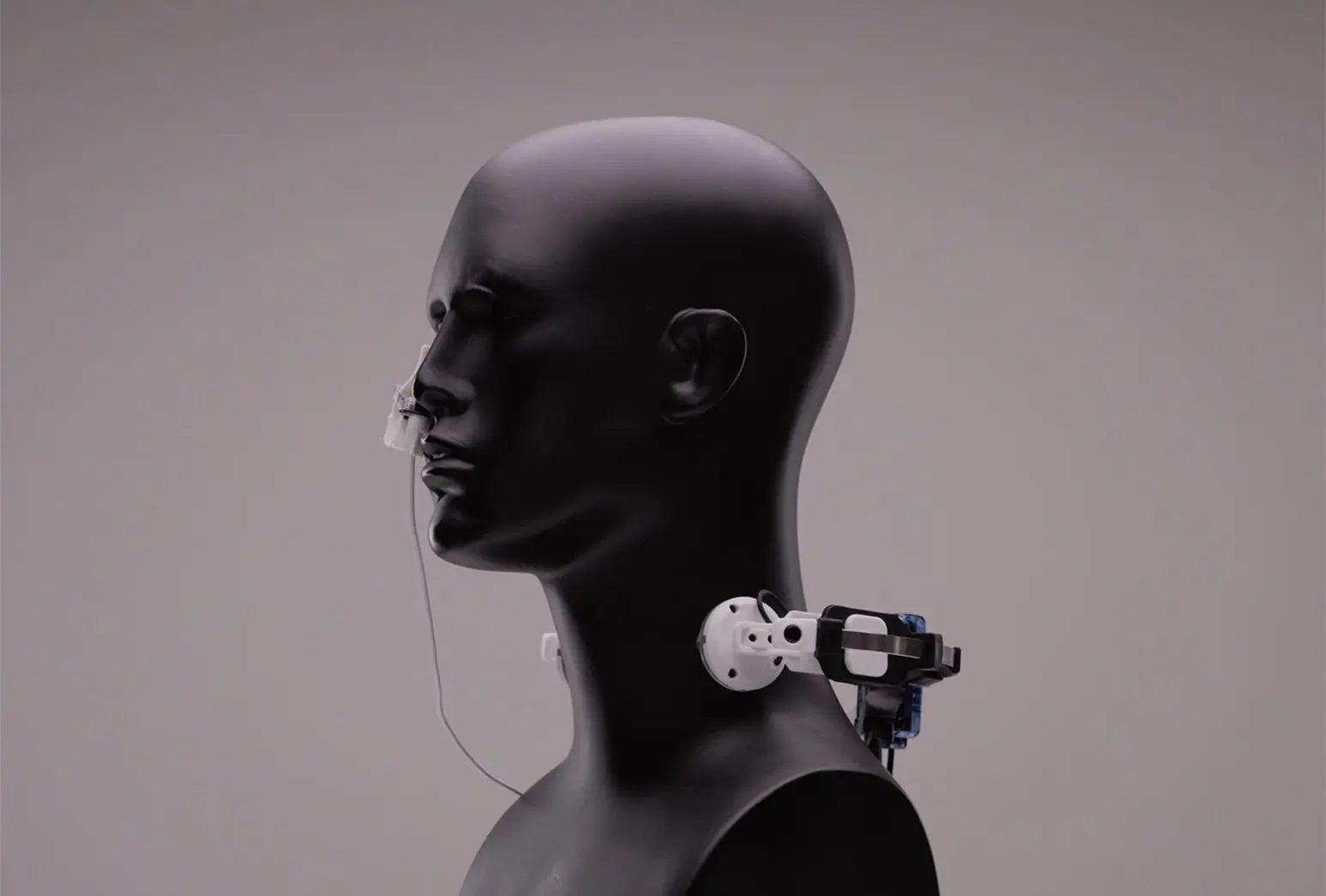
This is precisely what the Vielight Vagus Nerve device accomplishes.
An overview of a Vielight Vagus nerve study provides sound support for use of the device by persons who confronted continuous, persistent anxiety that continues to fuel symptoms. Cost of the device is reasonable. Use the coupon code healing4me to claim a 10% discount.
Summary of New Research on the Vielight Vagus Device
The study asked the following question: what does a single session of the Vielight Vagus do to the brain’s own resting rhythms?
Using continuous EEG across one 20-minute session, researchers tracked the brain’s “microstates,” the fraction-of-a-second patterns that reveal moment-to-moment brain state. The recording showed a clean, internally consistent shift.
The pattern tied to outward, vigilant attention receded, while patterns associated with more inward, self referential processing grew. Notably, this convergence points in one coherent direction.
The shift is exactly what a device built around parasympathetic, “rest and digest” activation would predict: a move toward a calmer, more inwardly-directed brain state.
Summary: The Vagus was engineered to enhance brain-body connectivity and improve the brain-gut connection.
Vagus nerve stimulation also promotes healthy HRV and stress relief, leading to enhanced mental and physiological recovery.
Robert Rodgers PhD
Founder 2004
Parkinsons Recovery®
What in the world is the connection between betalains and Parkinsons and furthermore, what are betalains health benefits for inflammation relief? Is this some type of new medicine coming out on the market?
Answer: No. This is not a prescription medicine with side effects. This natural option is inspired by – of all people – Hippocrates who said: “Let your food be your medicine and your medicine by your food.” Betalains are an extract from beets.
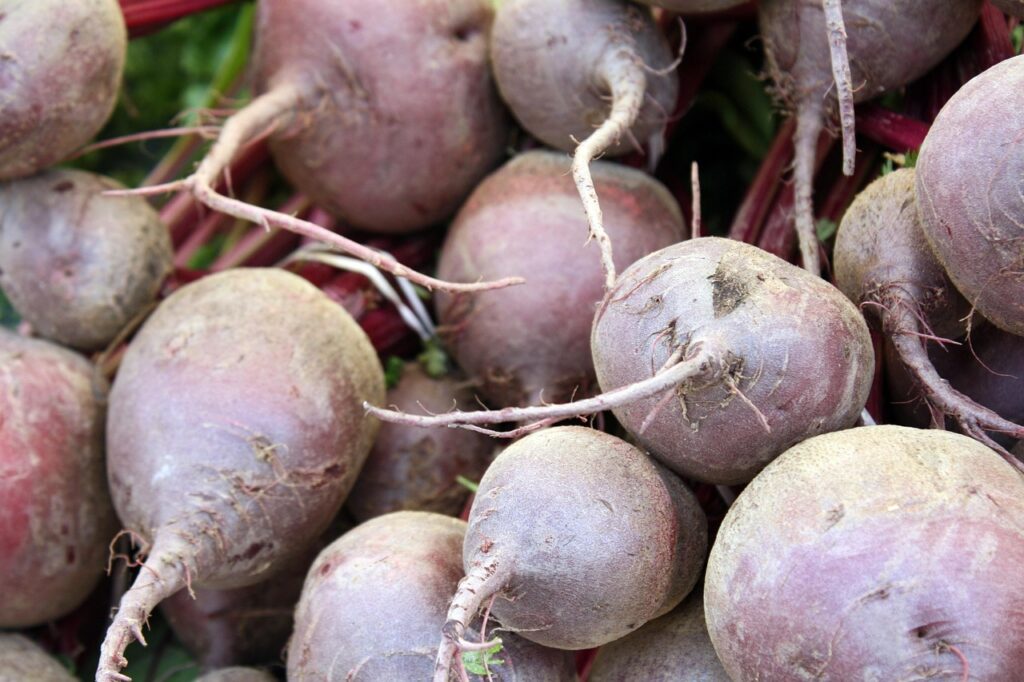
Betalains are the red-violet and yellow pigments that are naturally found in beets and a few other foods. How might this extract from beets offer benefits for persons diagnosed with Parkinsons? Consider this impressive list. Betalains health benefits include …
- Reduce the biomarkers of inflammation
- Fight fatigue
- Increase energy
- Support mental alertness
- Detox the liver
- Fight free radicals
Purified betalains have been clinically shown to reduce inflammation by 47% and boost energy by more than 100$.
I have two sources of additional information about betalains health benefits for inflammation. First, an interview with Kari Skinner. Click on the zoom replay link below to watch my interview with her.
Second, studies are posted below that tout the advantages of taking betatains as a treatment for symptoms of Parkinsons. There is clearly increasing interest the value of food and in particular Betalains as a natural treatment for Parkinsons symptoms.
Betalains Research
Note on the reference to Betanins below. Betalains are the entire class of pigments. Betanin is one specific pigment molecule within this class.
Plants (Basel). 2025 Mar 21;14(7):994. The Neuroprotective Potential of Betalains: A Focused Review
Abstract
Betalains are natural, hydrophilic pigments present in a variety of plants from the order Caryophyllales, extensively used as antioxidants. In recent decades, betalains have been intensively researched, with numerous studies confirming their anti-inflammatory, antioxidant, antimicrobial, and antinociceptive properties.
More recently, due to a significant increase in the aging population worldwide, there has been growing interest in the study of preventive effects of betalains on age-related, degenerative brain diseases.
The aim of this review is to evaluate the potential neuroprotective role of betalains in the prevention of neurodegenerative diseases like Alzheimer’s disease and Parkinson’s disease, as well as other types of neurodegenerative and ischemic brain injuries. Preclinical in vivo and in vitro pharmacological studies investigating the neuroprotective effects of betalains are reviewed, with a focus on the putative mechanisms of action. Available studies in humans are also presented.
******
Metab Brain Dis. 2023 Mar;38(3):805-817. Traversing through the cell signaling pathways of neuroprotection by betanin: therapeutic relevance to Alzheimer’s Disease and Parkinson’s Disease
Abstract
Modulation of cell signaling pathways is the key area of research towards the treatment of neurodegenerative disorders. Cell signaling pathways are considered to play major role in the etiology and pathogenesis of Alzheimer’s disease and Parkinson’s disease.
Strikingly, betanin is reported to show commendable anti-oxidative, anti-inflammatory and anti-apoptotic effects in several disease studies including Alzheimers and Parkinsons.
The present review discusses the pre-clinical studies demonstrating the neuroprotective effects of betanin by virtue of its potential to ameliorate oxidative stress, neuroinflammation, abnormal protein aggregation and cell death. It highlights the direct linkage between the neuroprotective abilities of betanin and upregulation of signaling pathways.
Int J Mol Sci. 2025 Oct 6;26(19):9726. Neuroprotective Effects of Betanin in a Mouse Model of Parkinson’s Disease: Behavioural and Neurotransmitter Pathway Insights
Abstract
The study aimed to evaluate the effect of betanin-a bioactive, natural pigment found in beetroot and prickly pear-on cognitive function, motor performance, and neurotransmission in a mouse model of Parkinson’s disease.
Aged mice with Parkinsons like symptoms were pretreated with betanin (50 or 100 mg/kg b.w./day) via drinking water. Behavioural tests assessed motor skills, anxiety-related behaviour, and spatial memory. Biochemical analyses of central nervous system structures were conducted using high-performance liquid chromatography to determine neurotransmitter levels and metabolites.
Betanin improved motor and cognitive functions in treated mice. While learning ability remained unchanged, the 50 mg/kg dose alleviated spatial memory deficits. Biochemically, betanin moderately limited dopamine depletion and significantly influenced dopamine metabolism and serotonin levels. These findings suggest that betanin, as a functional food component, may exert neuroprotective effects and support cognitive and motor function in neurodegenerative conditions such as Parkinsons.
******
- Beta vulgaris: The plant (beetroot/sugar beet).
- Betalains: The natural pigments (found inside the beet)
Indian J Pharmacol. 2015 Jul-Aug;47(4):403-8. Neuroprotective potential of Beta vulgaris L. in Parkinson’s disease
Abstract
Objective: The objective was to investigate the neuroprotective role of Beta vulgaris in Parkinson’s disease (PD).
Materials and methods: PD was induced by administration of reserpine (5 mg/kg/day, i.p for 5 consecutive days), haloperidol (1 mg/kg, i.p.), and tacrine (2.5 mg/kg, i.p.) in experimental animals. The symptoms of PD such as tremors, akinesia, rigidity, catalepsy, and vacuous chewing movements (VCMs) were evaluated. Foot shock-induced aggression (FSIA) model was used to confirm anti-parkinsonian activity. The methanolic extract of Beta vulgaris (MEBV) was administered at doses of 100, 200, and 300 mg/kg, p.o. The combination of L-dopa and carbidopa was used as a standard drug. Behavioral studies such as locomotor activity and grip strength were determined, and oxidative stress was evaluated in FSIA model in rat brain.
Results: Pretreatment with MEBV (200 and 300 mg/kg) significantly reduced the intensity of muscular rigidity, duration of catalepsy, akinesia, the number of tremors, VCMs, and increase fighting behavior. The locomotor activity and grip strength were significantly increased by MEBV. In FSIA, the biochemical analysis of brain revealed the increased level of lipid peroxidation (LPO) and decreased levels of superoxide dismutase (SOD) and catalase (CAT). MEBV significantly reduced LPO level and restored the defensive antioxidant enzymes SOD and CAT in rat brain.
Conclusions: The results indicated the protective role of B. vulgaris against PD.
Robert Rodgers PhD
Founder 2004
Parkinsons Recovery ®
https://www.parkinsonsdisease.me
Road to Recovery from Parkinsons Disease
Aqua Hydration Therapy