About Parkinsons Recovery®

Natural Options to Reverse Parkinsons Symptoms

Page 2 of 40

2024 Parkinsons Recovery Survey Results


This is a detailed report from responses provided by persons with Parkinson’s symptoms who responded to the 20242024 Parkinsons Recovery Survey Results Parkinsons Recovery Survey. The two minute survey asks two questions.

First, how have respondents been feeling since the previous holiday season one year ago (better, same, worse)

Second, what therapies have offered them symptom relief.

Listen to my reading of responses that reveal a huge range of therapies, methods and activities that offer symptom relief.

Bottom line: Many people believe that all persons diagnosed with Parkinson’s disease are destined to degenerate over time. As with the results of previous years, findings from 2024 soundly refute this false belief.

Robert Rodgers PhD
Founder 2024
Parkinsons Recovery

What is Wrong with Me

When a symptom flares its ugly head and makes us feel horrible, we all would like to celebrate relief from it, even if for only a few hours. The question everyone wants the answer to is: what is wrong with me? My answer to this question will likely surprise you.

There are over 160 medical specialties and subspecialties in the United States. If you want a name for the troubling symptom you confront, which of the 160 medical specialties can answer your question? Your general practitioner will help sort this out for you and make a referral.

The visit to the medical specialty referral will likely yield a name for your condition and medicines to treat it. This may well offer welcome relief, but sometimes not. If not. a second referral is needed, then perhaps a third and a fourth, all of which reveal different names (and diagnoses) for your condition.

And please give the medical professionals a break. They are viewing your condition from a very focused lens given their specialty. They are taking into consideration only one of many systems in the body that keep us alive and well.

I for one prefer a different approach. Support the body’s ability to heal from the inside out with natural therapies and methods, regardless of what symptoms might present right now.

Instead of suppressing a symptom caused by a presumably “flawed” body, honor the ability of the body to return to a balance of balance and harmony.

What is my answer to the question posed in this post? Watch the video.

Below is an email I received from Brad which offers a fresh perspective on the meaning associated with neurological symptoms.

I got “PD’ed” at church today. I was a visitor and had no sooner entered than I was greeted by a young man with very obvious Down Syndrome. He instantly spotted my shaking hand and said with a big smile,

“Don’t worry, you don’t have to be nervous, it’s only Ash Wednesday. Or perhaps you’re very excited because you have such a beautiful wife!”

From his perspective there was absolutely nothing “wrong” with me; to the contrary everything was “right” with me. My partner and I agreed that there was a profound lesson to be learned from this man’s innocent and perceptive observation. Brad

Robert Rodgers PhD
Founder 2004
Parkinsons Recovery®
Road to Recovery from Parkinsons Disease
robert@parkinsonsrecovery.com

Redox Signaling

Redox signaling is the foundation process that is required to support the health of humans, plants and animals. It is the boost needed for the body to reverse illness and sustain health.

Redox signaling supports the ability of cells to respond appropriately to environmental stimuli. When each cell acts independently of other cells, its ability to avert illness and disease is compromised. Redox cell signaling activates communication among cells to support the body’s ability to reverse illness and maintain balance and harmony.

Redox cell signaling …

  • Does no harm
  • Contains no toxins
  • Wakes up sleepy cells
  • Helps un-poison the body
  • Activates a natural process of healing
  • Has anti-viral properties
  • Addresses bacterial infections
  • Facilitate the production of glutathione by the body
  • Reduces reactions to chronic stress

When confronted with neurological challenges, the allostatic load becomes too great for the body to perform the functions of toxic elimination. All of the body’s elimination organs (eg: liver, kidneys, colon, skin) are confronted with getting rid of more toxins than can be processed out of the body. It is similar to when a dam overflows.

Unable to eliminate toxins, they continue to cumulate. This compromises the body’s ability to rejuvenate and regenerate. With Parkinsons, the allostatic load becomes too overwhelming for the body to perform the essential functions of elimination and renewal.

Redox cell signaling helps lower and overburden flooded with an allostatic load that has maxed out.

Research on Redox Signaling and Parkinsons

Chin Med J (Engl). 2026 Mar 5;139(5):653–671. Role of LRRK2 in physiological activities, diseases, and therapy

Abstract

Leucine-rich repeat kinase 2 (LRRK2) is a critical target for the treatment of Parkinson’s disease (PD) and potentially other diseases. LRRK2 is involved in intracellular signaling, immune response, and inflammation, with key roles in both the central nervous system and peripheral tissues.

LRRK2 mutations are linked to cellular dysfunction including mitochondrial and neuronal damage and can disrupt signaling pathway balance, thereby contributing to PD and other disorders

Robert Rodgers PhD
Founder 2004
Parkinsons Recovery ®
https://www.parkinsonsrecovery.com
robert@parkinsonsrecovery.com

NAD Supplement for Parkinsons

Research studies report that a NAD Supplement for Parkinsons can be beneficial. NAD stands for Nicotinamide Adenine Dinucleotide. Studies find that taking a NAD supplement facilitates a more effective detoxification process when compared to conventional methods. By replenishing the body’s NAD levels, toxins are flushed out and brain functions are restored.

The NAD supplement for Parkinsons …

  • Promotes cellular repair
  • Supports neuroplasticity
  • Improves overall functionality of the brain
  • Enhances memory
  • Sharpens concentration

Research on NAD Supplement for Parkinsons

Trends Endocrinol Metab. 2025 Dec;36(12):1072-1083. NAD augmentation as a disease-modifying strategy for neurodegeneration

Abstract

Neurodegenerative diseases (NDDs) pose a significant and rapidly growing global health challenge, but there are no effective therapies to delay or halt progression.

In recent years augmentation of nicotinamide adenine dinucleotide (NAD) has emerged as a promising disease-modifying strategy that targets multiple key disease pathways across multiple NDDs, such as mitochondrial dysfunction, energy deficits, proteostasis, and neuroinflammation.

Several early clinical trials of NAD augmentation have been completed, and many more are currently underway, reflecting the growing optimism and urgency within the field. We discuss the rationale and evolving therapeutic landscape of NAD augmentation. 

******

Am J Physiol Endocrinol Metab. 2024 Apr 1;326(4):E417-E427. Evaluation of safety and effectiveness of NAD in different clinical conditions: a systematic review

Abstract

Nicotinamide adenine dinucleotide (NAD+) is an essential pyridine nucleotide cofactor that is present in cells and in several important biological processes, including oxidative phosphorylation and production of adenosine triphosphate, DNA repair, calcium-dependent secondary messenger and gene expression.

The purpose of this systematic review is to examine whether the coenzyme formulae NAD+ and NADH are safe and effective when acting as a supplement to humans. This systematic review of randomized clinical trials performed a search in six electronic databases: PubMed, MEDLINE (ovid), Embase, Cochrane CENTRAL (clinical trials), Web of Science, and Scopus. Secondary search included the databases (e.g., Clinical trials.gov, Rebec, Google Scholar – advance). Two reviewers assessed and extracted the studies independently. The risk of bias in studies was performed using version 2 of the Cochrane risk of bias tool for randomized trials. This review includes 10 studies, with a total of 489 participants. The studies included different clinical conditions, such as chronic fatigue syndrome (CFS), older adults, Parkinson’s disease, overweight, postmenopausal prediabetes, and Alzheimer’s disease.

Based on studies, the supplementation with NADH and precursors was well tolerated and observed clinical results such as, a decrease in anxiety conditions and maximum heart rate was observed after a stress test, increased muscle insulin sensitivity, insulin signaling. Quality of life, fatigue intensity, and sleep quality among others were evaluated on patients with CFS. All studies showed some side effects, thus, the most common associated with NADs use are muscle pain, nervous disorders, fatigue, sleep disturbance, and headaches. All adverse events cataloged by the studies did not present a serious risk to the health of the participants.

Overall, these findings support that the oral administration of NADH can be associated to an increase in general quality of life and improvement on health parameters (e.g., a decrease in anxiety, maximum heart rate, inflammatory cytokines in serum, and cerebrospinal fluid). NADH supplementation is safe and has a low incidence of side effects.

Robert Rodgers PhD
Founder 2004
Parkinsons Recovery®
https://www.parkinsonsrecovery.com
Road to Recovery from Parkinsons Disease

Aerobic Resistance Training

In a study published in 2026 posted below, we have still more evidence for the benefits of exercise for individuals experiencing the neurological challenges of Parkinsons. Results of this study found that an eight-week aerobic resistance training program improved tremor and walking endurance in patients with Parkinson’s symptoms.

NeuroRehabilitation. 2026 Apr 10:10538135261434253. Effects of an 8-Week Combined Aerobic Resistance Training on Motor Function, Functional Mobility, and Metabolic Parameters in Patients with Parkinson’s Disease: A Controlled Study

Abstract

Exercise is increasingly recognized as a key component of Parkinson’s disease (PD) management, but data on short-term combined aerobic-resistance training (ART) on motor and metabolic parameters remain limited.

In this controlled study, 28 patients with PD (median Hoehn & Yahr stage= 2, IQR 1.75-2.0) were allocated to an 8-week supervised aerobic-resistance training ART group (n= 19) or a stretching-only control group (n = 9). Training consisted of two 45-minute sessions weekly. Primary outcomes were MDS-UPDRS-III, Sit-to-Stand Test (STS), and Six-Minute Walk Test (6MWT).

Fasting laboratory parameters were exploratory given the small sample size and absence of an a priori power analysis. Between-group post-intervention differences were analyzed using ANCOVA (baseline as covariate); exploratory biochemical outcomes were controlled for multiple comparisons using Benjamini-Hochberg false discovery rate (FDR).

ART improved the MDS-UPDRS-III tremor subscore (p = 0.004) and6MWT distance (p = 0.003), with no significant effects on other motor or functional outcomes. In exploratory laboratory analyses, unadjusted between-group differences were observed for HDL cholesterol (p =0.014), vitamin D3 (p = 0.003), TSH (p = 0.042), and homocysteine (p =0.019); after FDR correction, only vitamin D3 remained significant (qFDR= 0.039). Total cholesterol, LDL, and VLDL showed non-significant decreases.

An eight-week ART program improved tremor and walking endurance inpatients with PD, while other motor outcomes remained unchanged. Exploratory changes in selected biochemical markers were detected (including a decrease in vitamin D3).

Robert Rodgers PhD
Founder 2004
Parkinsons Recovery®
https://www.parkinsonsrecovery.com
robert@parkinsonsrecovery.com

Why is Parkinson’s Disease Increasing?

The truthful answer to the question “why is Parkinson’s disease increasing” will likely surprise you. Is it because of the increasing toxins in our environment? Not really, but that is certainly a factor. Is it because of contaminated water systems? Not really, but that too is a factor. Enough. The answer is …

If you watched my video, you were likely surprised at my answer. There is typically one and only one answer to the question – what causes Parkinson’s disease. The  answer? A lack of dopamine. Everyone knows that, duh.

Take for example the Parkinson’s disease hand tremor. When the right medications or supplements and the right dose for your body that contain L-dopa are taken. the hand tremor is quieted. The L-dopa is converts to dopamine in the body. So maybe the reason Perhaps the answer to Why is Parkinson’s disease is increasing turns on the decreasing supply of L-Dopa?

End of story, right? I say wrong. Parkinson’s disease is caused by a persistent fear people cannot not shake. The fear is familiar to us all: Lack of control over everything and everyone.

Dynamics of the world  spin so rapidly these days many people feel they do not control anything – not their pay check, not the addictions of family members, not the untimely deaths of family and friends, not global warming, not …

In the video I explain how to turnaround the feeling of being out of control with an example of how to react when Parkinsons disease hand tremors become problematic. Do we sit on our hands? Do we tuck them in our pocket? There is another approach.

In summary – More and more people are feeling they are out of control which is the simple and obvious reason why Parkinsons disease is increasing.

Robert Rodgers PhD
Founder 2004
Parkinsons Recovery®
Road to Recovery from Parkinsons Disease

Road to Recovery from Parkinsons Disease 2026

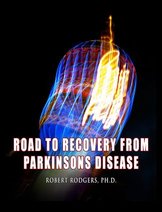
Twenty years of research and interviews with persons diagnosed with Parkinsons have unearthed a rich set of natural therapies to reverse symptoms. These discoveries are documented in my book Road to Recovery from Parkinsons Disease 2026.

This 2026 book includes the therapies and methods that have enabled others with Parkinsons to celebrate a successful journey down the road to recovery.

For more information and to order either the paperback or download visit: https://www.parkinsonsdisease.me

Robert Rodgers PhD
Founder 2004
Parkinsons Recovery
https://www.parkinsonsrecovery.com
robert@parkinsonsrecovery.com
Olympia Washington
360-789-1658.

Causes of Parkinsons and Their Treatments

Recovery from Parkinsons Disease

Just released for the price of one mocha cafe a week … everything you need to know about the causes of Parkinsons and heir treatments to manifest a successful recovery from Parkinsons in 2026


* A new audiobook clip posted every day
* Comprehensive review of causes
* Coverage of therapies to treat specific causes
* Overview of how successful recoveries are manifested
* Proven formulas for success
* Daily support that transform negative thoughts into positive ones
* Cutting edge therapies that are transforming recovery in 2025
* Low monthly tuition during these challenging economic times.
* Cancel anytime.

  • Daily recordings report what founder of Parkinsons Recovery Robert Rodgers PhD has discovered over two decades of research exclusively focused on Parkinsons. Visit the link below to learn more and register.

    Recovery from Parkinson’s Disease

Robert Rodgers PhD
Founder 2004
Parkinsons Recovery
https://www.parkinsonsrecovery.com

Parkinson’s disease dopamine

Two L-dopa sources for Parkinson’s disease dopamine are the prescription medication Sinemet and the over the counter supplement Mucuna. Compounding Pharmacist Randy Mentzer answers the following question:

“Can both be taken and if so can there be unwanted side effects?”

Treatment of Parkinson’s disease symptoms often involves taking medications aimed at increasing Parkinson’s disease dopamine levels in the body. Among the various treatment options, Sinemet (a combination of levodopa and carbidopa) is prescribed by doctors to help alleviate motor symptoms by replenishing dopamine.

Patients and practitioners sometimes add  mucuna pruriens, a natural supplement, to the treatment regimen. While mucuna does not require a prescription from a doctor it is, like Sinemet, a medicine that  contains L-dopa. The body converts the L-dopa to dopamine.

Understanding Sinemet

Sinemet is a prescribed medication for Parkinson’s disease that combines two drugs:

  • Levodopa: This precursor to dopamine is converted into the neurotransmitter dopamine in the brain, which is crucial for regulating movement and coordination.
  • Carbidopa: This component prevents levodopa from being converted into dopamine before it reaches the brain, which helps to maximize the effectiveness of levodopa and reduce side effects like nausea.

While Sinemet is effective, its impact usually diminishes over time. Patients usually need to take higher and higher doses to achieve the desired result.

Enter Mucuna Pruriens

Mucuna pruriens, often referred to as velvet bean, is a natural source of levodopa. It’s been used in traditional medicine for centuries and is now gaining attention in the context of Parkinson’s disease treatment. The beans of the mucuna plant contain L-dopa, the same compound found in Sinemet.

Potential Benefits of Combining Mucuna with Sinemet for Parkinson’s Disease Dopamine

  1. Enhanced Dopamine Levels: Since mucuna contains l-dopa, it may potentially boost dopamine levels in the brain, complementing the effects of Sinemet. Some studies suggest that mucuna could offer a more rapid or sustained increase in dopamine levels compared to synthetic levodopa.
  2. Reduced Motor Fluctuations: Mucuna might help in smoothing out the “on-off” fluctuations experienced by some Parkinson’s patients on Sinemet alone. The natural levodopa in mucuna might work more consistently to help manage symptoms throughout the day.
  3. Possible Reduction in Side Effects: Some users report fewer side effects with mucuna compared to synthetic levodopa preparations. This could be due to the natural formulation of mucuna.

Considerations and Risks

  1. Lack of Standardization: Unlike prescription medications, the potency and purity of mucuna supplements can vary widely. This lack of standardization means that the exact dose of levodopa can be unpredictable.
  2. Drug Interactions: Mucuna may interact with Sinemet, potentially altering the effectiveness of either medication. It’s crucial to monitor any changes in symptoms and adjust dosages under medical supervision.
  3. Side Effects: While mucuna might have fewer side effects for some, it’s not without risks. Potential side effects include dyskinesia (the side effect Randy mentions in his answer to the question posed to him above), nausea, dizziness, or digestive issues. Always discuss these possibilities with your healthcare provider.

Practical Tips for Combining Mucuna with Sinemet

Consult Your Doctor: Before introducing mucuna into your regimen, have a thorough discussion with your neurologist or primary care physician. They can provide personalized advice based on your specific condition and treatment goals.

Robert Rodgers PhD
Founder 2004
Parkinsons Recovery

What Your Voice Says About You

Now here is something interesting to do, especially if you ever wondered what your voice says about you. But first – what is voice profiling?

Sound Health has discovered that the frequencies contained in the voice are holographic representations of your state of health and wellness. Every muscle, compound, process and structure of the body has a Frequency Equivalent™ that can be mathematically calculated. It is our belief that people with similar trauma, illnesses, syndromes, psychologies, diseases, toxins… have similar, if not identical, vocal anomalies.

You can obtain an analysis of your voice profile which is available on the Sound Health Portal for free. Here is the link to get a free analysis of your voice.

https://www.soundhealthportal.com/nanoVoice/index.html

Once you land on the Nano Voice page above, click Start. Then, talk in a normal voice without pauses for 90 seconds. An analysis of the frequencies emitted by your voice will be instantly provided.

What Your Voice Says About You

Once you generate your first overview report, you can restart Nano voice and talk a second time for 90 seconds to generate a follow-up report. I talked for 90 seconds three times back to back. The three reports of my personality were all very similar. I must report they also described me to a tea.

Why bother?

  • It is free
  • It takes only 5 minutes
  • The instant report that is generated is fascinating

This short activity will convince you to take analysis of voice profiles seriously. Healing through sound (and light) is the medicine of the future

Robert Rodgers PhD
Founder 2004
Parkinsons Recovery
2026 Road to Recovery from Parkinsons Disease

Daily Support for Recovery from Parkinsons

What does it take to reverse symptoms with Parkinson’s? I have documented what individuals have done to celebrate a successful recovery and captured their wisdom in a Parkinsons Recovery® program that offers daily support for recovery from Parkinsons.

  • Have the solutions been simple?
  • Were they straightforward??
  • Was there a particular therapy that accounted for the success?
  • Was success quick?

When I review the profile of the dozens of success stories, the answer to all of these questions is no.

  • Solutions are not simple or straightforward.
  • Multiple therapies and approaches were needed. 
  • Recovery required experimentation to discover what worked and what did not.
  • Solutions are not simple or straightforward.
  • Multiple therapies and approaches were needed. 
  • Recovery required experimentation to discover what worked and what did not.

Daily support for recovery from Parkinsons is now available to support your personal journey down the road to recovery. Join others who have succeeded in reversing their symptoms. 

For more information about my program visit:

Daily Support for Recovery

Enter the coupon code succeed to claim a 50% discount off the already low tuition (available through the end of June).

Robert Rodgers PhD
Founder 2004
Parkinsons Recovery®
Road to Recovery from Parkinsons Disease
Olympia, Washington
robert@parkinsonsrecovery.com

Homocysteine Levels

Homocystene is an amino acid that circulates in the blood. It is produced when the body breaks down protein. Low homocysteine levels are considered healthy. Elevated levels are problematic for a number of reasons. High levels …

  • Are a marker of inflammation
  • Cause dementia
  • Can cause strokes
  • Damage artery walls
  • Increase blood clot risks
  • Compromise the cardiovascular system.

A reason homocysteine levels can be too high in the case of Parkinsons is that certain medicines delete vitamins B6, B12 and folic acid (vitamin B9). How do you reduce unusually high levels of homocysteine? Increase the intake of vitamins B6, B12 and folic acid – the ones that just happen already to be chronically deficient.

Supplements of course can be taken to supplement low levels of B vitamins. Alternatively, certain foods boost the level of B vitamins. The following foods are rich in vitamins B6, B12 and folic acid:

  • Spinach
  • Beef liver
  • Chicken liver
  • Chickpeas
  • Sunflower seeds
  • Wild salmon
  • Eggs
  • Clams
  • Oysters
  • Sardines
  • Lentils

Research on Homocysteine Levels and Parkinsons

Heliyon. 2024 Nov 6;10(21):e40191. Association analyses of nutritional markers with Parkinson’s disease and Alzheimer’s disease

Abstract

Introduction: Parkinson’s disease (PD) and Alzheimer’s disease (AD) are common neurodegenerative diseases with multifaceted etiology. Nutritional and metabolic abnormalities are frequently implicated in PD and AD. In this observational study, we analyzed a series of nutritional markers, and aimed to understand their association with AD and PD risk.

Methods: A total of 424 PD patients, 314 AD patients, and 388 healthy controls were included. Nutritional markers including Hemoglobin A1c, vitamin B12, folate, apolipoprotein B (ApoB), apolipoprotein A1 (ApoA1), low-density lipoprotein (LDL), high-density lipoprotein, triglyceride, total cholesterol (TC), uric acid and homocysteine (HCY) were measured. Significance for odds ratios examining was P < 0.0045 after bonferroni correction.

Results: Multifactor risk analysis showed that ApoB, LDL, and TC reduce PD risk, while homocysteine HCY increase PD risk. ApoA1 and HCY are protective and risk factors for AD, respectively.

Conclusion: The cross-sectional study demonstrates that HCY and lipid metabolism markers are associated with PD and AD risks. Our findings support the involvement of one-carbon metabolism and lipid metabolism disturbance in PD and AD.

Nutrients. 2025 Apr 11;17(8):1325. Homocysteine, Nutrition, and Gut Microbiota: A Comprehensive Review of Current Evidence and Insight

Abstract

Homocysteine, a sulfur-containing amino acid, is an intermediate product during the metabolism of methionine, a vital amino acid. An elevated concentration of homocysteine in the plasma, named hyperhomocysteinemia, has been significantly related to the onset of several diseases, including diabetes, multiple sclerosis, osteoporosis, cancer, and neurodegenerative disorders such as dementia, Alzheimer’s and Parkinson’s diseases.

An interaction between metabolic pathways of homocysteine and gut microbiota has been reported, and specific microbial signatures have been found in individuals experiencing hyperhomocysteinemia.

Furthermore, some evidence suggests that gut microbial modulation may exert an influence on homocysteine levels and related disease progression. Conventional approaches for managing hyperhomocysteinemia typically involve dietary interventions alongside the administration of supplements such as B vitamins and betaine.

The present review aims to synthesize recent advancements in understanding interventions targeted at mitigating hyperhomocysteinemia, with a particular emphasis on the role of gut microbiota in these strategies. The emerging therapeutic potential of gut microbiota has been reported for several diseases.

******

.Acta Neurol Belg. 2025 Apr;125(2):435-444. Diagnostic values of serum levels of ?-synuclein, homocysteine and leucine-rich ?2 glycoprotein for predicting cognitive impairment in Parkinson’s diseas

Abstract

Background: ?-synuclein, homocysteine (Hcy) and leucine-rich ?2-glycoprotein (LRG) have been shown to correlate to Parkinson’s disease (PD). However, it remains unclear whether these factors are associated with the occurrence of cognitive impairment (CI) in PD patients.

Methods: This study initially enrolled eligible PD patients without cognitive impairment. Blood samples were collected to measure serum levels of ?-synuclein, Hcy, and LRG using enzyme-linked immunosorbent assay. After one year of treatment, patients were divided into CI group and non-CI groups based on their Montreal Cognitive Assessment (MoCA) scores. Baseline clinical characteristics and the levels of these three factors were compared between the two groups. Additionally, Receiver Operating Characteristic (ROC) analysis was used to assess the predictive value of these factors for the occurrence of CI in PD patients.

Results: The study included 102 eligible PD patients without baseline CI, divided into 65 patients in the non-CI group and 37 patients in the CI group after one year, based on the MoCA scores. Serum levels of ?-synuclein, Hcy, and LRG in the CI group were 0.42 ± 0.33 ng/mL, 19.85 ± 6.31 µmol/L, and 14.53 ± 5.11 ng/mL respectively, compared to 0.04 ± 0.03 ng/mL, 14.32 ± 5.25 µmol/L, and 11.67 ± 3.10 ng/mL in the non-CI group. Patients in the CI group had MoCA scores below 26, indicating cognitive impairment. ROC analysis revealed that ?-synuclein, Hcy, and LRG levels effectively predicted the occurrence of CI in PD patients.

Conclusions: Serum levels of ?-synuclein, homocysteine and glycoprotein were elevated in the CI group compared to the non-CI group, suggesting that these factors may serve as predictors of cognitive impairment in PD patients.

Robert Rodgers PhD
Founder 2004
Parkinsons Recovery ®
Road to Recovery from Parkinsons Disease

Groundbreaking Discovery for Autism

I have exciting news about a groundbreaking discovery for autism. It can be reversed.

For more information about the Vielight Duo photobiomodulation device visit: https://www.vielight.com/devices/vielight-neuro-duo-brain/

A 10 percent discount is available with coupon code healing4me. If your child does not show the improvement anticipated after 6 months of daily use, you can return the Duo device for an 80% refund

Ground Breaking Discovery for Autism Using  the Vielight Neuro Duo 

YouTube player

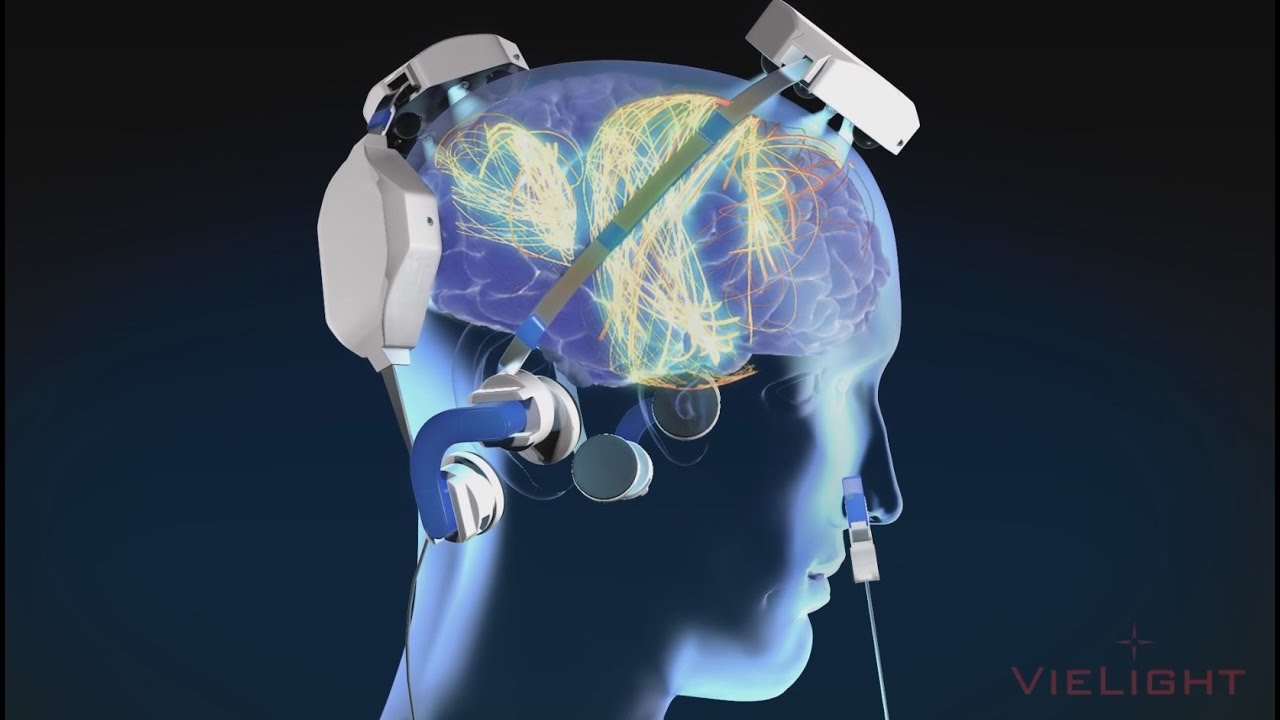
As the world’s only transcranial-intranasal brain photobiomodulation device, the Vielight Neuro Duo is the result of years of engineering and research.

Groundbreaking discovery for autism research with the Vielight technology produced improvements in cognitionmemory and blood flow.

The Vielight Neuro Duo comes with both Alpha and Gamma modes.

  • Gamma (40Hz): focus, memory, brain energy.
  • Alpha (10 Hz): relaxation and sleep improvement.

Summary for the  Autism Spectrum Disorder Clinical Study 

Children (BASEL). 2022 May 20;9(5):755. Transcranial Photobiomodulation for the Treatment of Children with Autism Spectrum Disorder (ASD): A Retrospective Study

Data were reported and analyzed for 21 children, 13 males and 8 females with an average age of 9.1. The age range is 5 to 15 years old. The study was conducted over six months in the home setting.

Participants used the Vielight Neuro Duo with its two protocols, the Alpha 10 hertz protocol and the Gamma 40 hertz protocol.

Both Alpha and Gamma protocols were administered each day, one in the morning and one in the evening. Each session had a duration of 20 minutes, during which children were involved in stimulating activities such drawing, coloring, reading, playing games or doing homework.

Findings

After 6 months, transcranial-intranasal photobiomodulation was associated with:

  • reduction in ASD severity, as shown by a decrease in CARS scores (p < 0.001).
  • reduction in noncompliant behavior
  • reduction in parental stress
  • reduction in behavioral and cognitive rigidity
  • improvement in attentional functions and in sleep quality.

These remarkable improvements not only enhanced the lives of the patients but also greatly reduced stress among their parents, as measured by the SDAG scale, creating a more peaceful and effective environment for growth.

How Photobiomodulation Reverses Austism

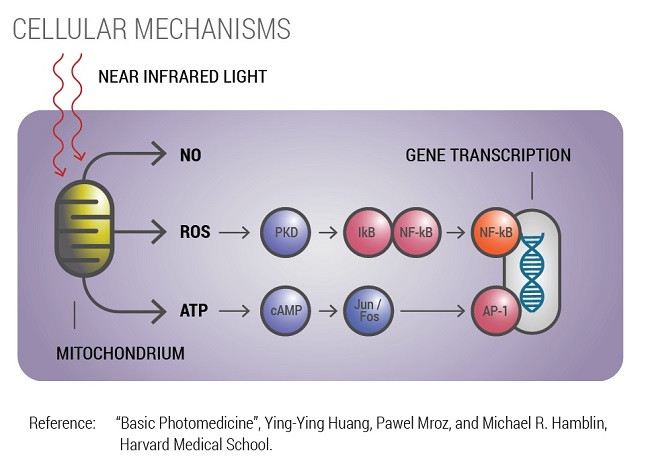
How does the Vielight Neuro Duo photobiomodulation device work? It emits an optimal irradiance, amongst the highest in the industry with the 810 nanometer wavelength to penetrate the skull and reach the brain, transcranially and intranasally. The Vielight Neuro Duo’s design specifically targets the Default Mode Network to improve connectivity between its nodes.

The default mode network is crucial in understanding autism. Individuals with autism spectrum disorder have been observed to have alterations in their default mode network, contributing to difficulties in social interactions and understanding others’ perspectives.

Research has revealed that atypical connectivity within the default mode network underlies the characteristic challenges in social communication and repetitive behaviors seen in autism.

The two different pulsing modes, Alpha and Gamma have complementary effects.  The alpha protocol promotes relaxation, reducing rigidity and improving sleep. The gamma protocol boosts cognitive functions which facilitates improved focus and attention.”

Safety and Future Directions

From a safety perspective the treatment has been well-tolerated with minimal side effects, making it a safe option.

Front Neurol. 2024 Apr 26:15:1221193. Transcranial photobiomodulation in children aged 2-6 years: a randomized sham-controlled clinical trial assessing safety, efficacy, and impact on autism spectrum disorder symptoms and brain electrophysiology

Abstract

Background: Small pilot studies have suggested that transcranial photobiomodulation  could help reduce symptoms of neurological conditions, such as depression, traumatic brain injury, and autism spectrum disorder.

Objective: To examine the impact of photobiomodulation on the symptoms of Autism in children aged two to six years. (The study listed above is based on older subjects 5-15 years in age).

Method: This study ran a randomized, sham-controlled clinical trial involving thirty children aged two to six years with a prior diagnosis of ASD. Pulses of near-infrared light (40 Hz, 850 nm) noninvasively were delivered to selected brain areas twice a week for eight weeks, using an investigational medical device designed for this purpose. We used the Childhood Autism Rating Scale (CARS) to assess and compare the Autism symptoms of participants before and after the treatment course. Electroencephalogram data during each session were collected from participants who tolerated wearing the cap.

Results: The difference in the change in CARS scores between the two groups was 7.23 (95% CI 2.357 to 12.107, p = 0.011). Seventeen of the thirty participants completed at least two EEGs and time-dependent trends were detected. In addition, an interaction between Active versus Sham and Scaled Time was observed in delta power (Coefficient = 7.521, 95% CI -0.517 to 15.559, p = 0.07) and theta power (Coefficient = -8.287, 95% CI -17.199 to 0.626, p = 0.07), indicating a potential trend towards a greater reduction in delta power and an increase in theta power over time with treatment in the Active group, compared to the Sham group. Furthermore, there was a significant difference in the condition (Treatment vs. Sham) in the power of theta waves (net_theta) (Coefficient = 9.547, 95% CI 0.027 to 19.067, p = 0.049). No moderate or severe side effects or adverse effects were reported or observed during the trial.

Groundbreaking Discovery for Autism Conclusion:

Findings of these two studies taken together indicate that photobiomodulation is a safe and effective treatment for Autism. The Vielight Neuro Duo offers a groundbreaking treatment for Autism.

For more information about the Vielight Duo photobiomodulation device visit: https://www.vielight.com/devices/vielight-neuro-duo-brain/

A 10 percent discount is available with coupon code healing4me. If your child does not show the improvement anticipated after 6 months of daily use, you can return the Duo device for an 80% refund.

Call Vielight to get answers to your questions. The company is located in Toronto Canada: 1-877-355-8012 (Main line)

Robert Rodgers PhD
Founder 2004
Parkinsons Recovery

Distilled vs Filtered Water

One dominant source of toxins for persons experiencing neurological challenges is polluted drinking water. One option many people embrace is to filter the water that they drink. This is a marked improvement over drinking unfiltered tap water. But what about distilled water? I this video I offer a comparison of distilled vs filtered water.

My honest confession is that I had never considered distilled water until a few months ago when it was recommended by our naturopath doctor. My initial reaction was to wonder whether bothering to distill water every day was really worth the effort.

What is Distilled Water?

Distilled water involves boiling it into steam, then condensing the steam back to a liquid. This removes toxins, bacteria, chemicals and microbes. It does take 5-6 hours to boil a gallon of water to make distilled water. Is the bother worth it?

As I point out in the video, I am shocked every day at the residue of gunk, sludge and goop that remains in the container after the gallon of water is distilled. Oh my. I have been putting that sludge into my body all this time (which has been a few decades).

Admittedly some of the sludge that remains consists of beneficial substances like minerals. But most of the gunk is toxic. I would prefer to get the minerals my body needs from eating nutritious food rather than drinking water that is laced with toxins.

There are many distilled devices on the market. Here is the one that we have been using.

Robert Rodgers PhD
Founder 2004
Parkinsons Recovery ®
Road to Recovery from Parkinsons Disease

I Have Parkinsons But Parkinsons Does Not Have Me

I have a heads up on the most fascinating interview below. Leif
Ogard has had Parkinsons for over two decades. Leif has published a book with
the quite fascinating title of I Have Parkinsons But Parkinsons Does
Not Have Me.

Leif feels great – not just good – but great. Many people who do not experience symptoms of Parkinsons cannot say this! He has incredible energy and owns
his own business which he started after his diagnosis.

By the way, his business is thriving. Leif considers himself healthy in every respect.

In this interview Leif offers genuinely helpful insights and suggestions. His perspectives will be especially helpful for anyone who has been recently diagnosed.

One of the testimonials for his book posted on Amazon reads:

“Leif Ogard is an engineer and consultant by profession. His meticulous attention to detail about his condition, life and attitude are inspirational. He over came his own fears and self doubts to accomplish extra ordinary feats and still does). He decided rather than be a victim, he would control his life by studying, documenting and controlling everything that influenced his body.”

If you are in a place in your life where you could use a motivational boast listen to my interview with Leif. You will not be disappointed.
on Blog Talk Radi

The cover of Leif’s book is shown here. Believe me when I tell you that his life is true to the title of his book.

Robert Rodgers, Ph.D.
Parkinsons Recovery ®
www.parkinsonsrecovery.com
Road to Recovery from Parkinsons Disease

Voice Profiling Determines Causes

In this amazing video, Sharry Edwards from Sound Health Options explains how voice profiling determines causes of Parkinsons. Her approach has revealed fascinating insights into the various reasons people develop symptoms of Parkinsons disease.

This presentation follows up voice profiles Sharry did for four guests on one of my Parkinsons Recovery radio shows last month. Sharry identifies surprising commonalities across the persons she profiled during the show.

Even more interesting is her analysis of the reason Michael J. Fox currently experiences the symptoms of Parkinson’s. Are you at all curious about the cause of his symptoms? You can get the answer by watching this video.

Sharry takes you through the process of voice profiling step by step to demonstration how voice profiling determines causes of Parkinsons. She also offers an amazing explanation of the many reasons symptoms can evolve and what you can do about them when they do.

Robert Rodgers, Ph.D.
Parkinsons Recovery
Road to Recovery from Parkinsons Disease

Antioxidants and Parkinsons Disease

Question

What about Antioxidants and Parkinsons disease? Is Noni Juice helpful as a treatment for symptoms of Parkinson’s?

Paul

Response

There is a very long list of symptoms that have been linked to a diagnosis of Parkinson’s Disease. In fact – if you examine and analyze this list of symptoms, you will cover just about any diagnosis imaginable.

I am aware of no research that directly evaluates the use of Noni juice on the symptoms of Parkinsons, but this is the norm. Little formal evidence exists that evaluates natural treatments.

So What about Antioxidants and Parkinsons Disease?

Certainly, anti oxidants could potentially lend relief to some of the symptoms. We know that anti oxidants help the body reverse the process of aging. To the extent that aging is associated with a degradation of the neurological system, it seems reasonable to suspect that you should be able to expect improved health on some level with the ingestion of anti-oxidants.

Be aware that there are many choices you can make with regard to the use of anti oxidants. A search on the Internet will list for you foods that have natural anti oxidant properties (like blue berries for example).

The decision to take Noni juice or some other anti oxidant hinges on cost and personal preference. I believe everyone – regardless of whether they currently experience the symptoms of Parkinsons or not , should be taking anti-oxidants of some form or another.

Robert Rodgers, Ph.D.
Founder 2004
Parkinsons Recovery

Books
Road to Recovery from Parkinsons Disease
Pioneers of Recovery
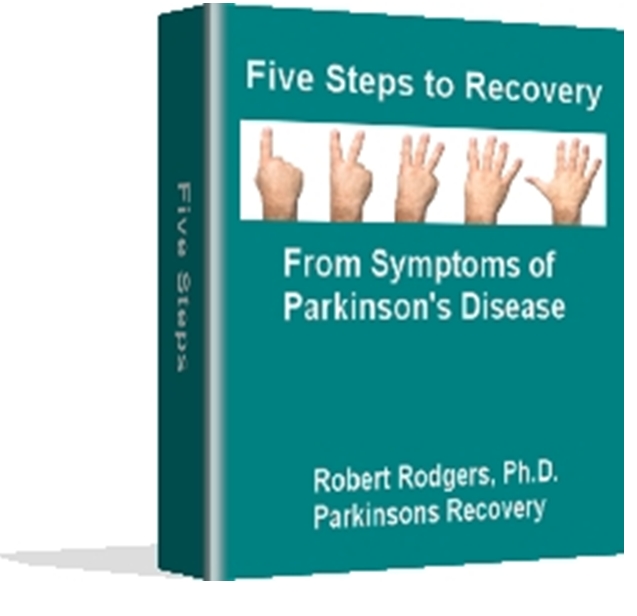
Five Steps to Recovery

Resources
Dehydration Therapy: Aquas
Parkinsons Recovery Membership
Eye Drops for Cataracts


Parkinsons Natural Remedies

My fiancee was diagnosed with Parkinson’s 3 years ago.
We both would like to explore the best Parkinsons natural remedies.

To make a long story short, he’s made many lifestyle
changes (better dietary choices; no chemicals in his
home; takes soil-based organisms; limits stresses…)
and has been to multiple ND’s as well as MD’s for
interventions.

He’s only tried one conventional medicine, Reserp,
which resulted in severe palpitations. He has refused
all other medications because he believes that this
only addresses the symptoms and not the cause.

This is only a brief synopsis of what’s transpired
over the past few years, but I’m hoping I’ve included
enough info for you.

What can we try to help him recover from this disorder?
Neither of us believe that this “disease” is incurable,
but we are at a loss as to what to try next. Any help
you can send my way would be MOST APPRECIATED.

You have asked a great question. Parkinsons Recovery
is all about identifying a wide variety of natural alternatives
for people to consider who are committed to feeling
better.

You fiancee clearly is on the road to recovery and he
will get better. Keep in mind two realities. First, recovery
is a gradual process which takes time and patience.
You don’t start eating healthy food one week and see
dramatic improvements the next week. It takes the body
time to rejuvenate cells and to heal.

Second, you do not report whether he is seeing any relief
from symptoms. Is he getting worse? Is he the same? Is
he getting better? My guess is that you and he probably
do not know the answer

From the tone of your letter is sounds like you are
both discouraged. It is very possible that he is
actually improving – but neither of you see it. No one
is adept at tracking improvement in symptoms. We
all tend to focus on the problems not the successes.

You use the terms “better dietary choices” which is
an interesting use of terms. You do not say “healthy
dietary choices.” It is possible that while his eating habits are
generally good he may be eating foods he is
allergic to. Keep in mind also that sugar is a
neuro toxin. If he is eating any sugar at all
it will be a challenge to celebrate symptoms relief.

You say he has no chemicals in his home. That
is awesome news. He may however have certain
toxins lodged in the tissues of his body. Most people
do. It is just a question of whether the extent of
exposure is too much for his body to process.

You do not mention hydration. When the body is
adequately hydrated it is able to cleanse itself
of toxins more readily. Naturopath John Coleman recommends
a homeopathic remedy for dehydration called the
aquas. You can find more information at
www.aquas.us

I would venture a guess that a factor
that is aggravating his symptoms is a sustained
and persistent levels of stress and trauma. You say
he “limits” stress, but the truth is that any stress
can have a profound impact on our immune system
and on the health of our neurological system.

So as a final next step to consider, I would recommend
he investigate methods of releasing stress and trauma
that is lodged in the tissues of his body. As long as a
body is in a sustained state of stress the symptoms
will not and cannot resolve. Exploring ways to release
the trauma that is trapped at the cellular level should
rise to the top of the list of Parkinsons natural remedies..

There are many awesome approaches for relieving
stress and trauma that is lodged in the tissues of
the body: craniosacral therapy, Bowen therapy,
neurolinguistic programming, biofeedback
to mention just a few.

Which approach is right for him? Only he can figure that
answer out through experimentation using his intuition.
Different therapies work for different people. Only he
will know what is right for him.

I hope these suggestions are of some use. Keep in
mind that there are dozens and dozens of therapies that
have helped people with Parkinson’s. Your fiancee’s job
now is to figure out the ones that are a perfect fit for him.

He has set his intention. He has engaged the journey.
He will eventually get better as he and you experiment with various
Parkinsons natural remedies. Just watch. Be sure to celebrate
his progress as the two of you together track the
improvement in his symptoms over time.

Robert Rodgers, Ph.D.
Founder 2004
Parkinsons Recovery® 

© 2026 Parkinsons Recovery

Two Simple Suggestions to Support Recovery

What are two simple suggestions to support recovery from Parkinsons?The vast number of natural therapies documented by Parkinsons Recovery that support recovery is indeed overwhelming. So many choices! Which ones offer the greatest possibility of relief for you?

The challenge for everyone is that no option – whether a prescription medicine, surgery or natural treatment helps everyone celebrate recovery. Most people celebrate relief from symptoms for many of the options but not everyone. It comes down to the challenge of deciding which treatment options are most likely to benefit you.

Two Simple Suggestions to Support Recovery

I asked Dr. Bruce Fife, ND, to offer two (and only two) suggestions among the many that are available that he suggests would be most likely to benefit the most people. Here is his unexpected answer:

First, add coconut oil to your diet. Start with 1 tablespoon a day added to food. Gradually Increase to 5 tablsspoons a day.

Second, adopt a low carb diet. With Parkinsons the brain has difficulty processing glucose. Ketones are the much preferred food for the brain.

Might I add that the cost of these two suggestions is minimal relative to the anticipated benefit. I say go for it!

Robert Rodgers PhD
Founder 2004
Parkinsons Recovery®
https://www.parkinsonsrecovery.com
Road to Recovery from Parkinsons Disease

Pioneers of Recovery from Parkinsons

Pioneers of Recovery from Parkinsons offer rich insights into what it takes to celebrate relief from Parkinson’s symptoms. The ten individuals featured in discovered different ways to reverse their Parkinson’s symptoms.

Pioneers of Recovery from Parkinsons print book is available on Amazon here: Pioneers of Recovery

Your download is not automated. It usually takes a few hours to receive it in your email or the next day it you order during the evening.

About Pioneers of Recovery from Parkinsons

Below are minute long clips from the Pioneers of Recovery who offer rich insights into their recovery process. Causes of their symptoms varied considerably. Their approaches to recovery were all very different. 

Bianca on Recovery

Cheryl on Recovery

Daniel on Recovery

Gord on Recovery

Howard on Recovery

Karl on Recovery

Lexie on Recovery

Lydia on Recovery

Marian on Recovery

Discover the details of how each pioneer reversed their symptoms which are documented in Pioneers of Recovery available on Amazon.

Or better yet, listen to my interviews with each of the pioneers. You will be inspired by the many options that make recovery possible

Robert Rodgers PhD
Founder 2004
Parkinsons Recovery
https://www.parkinsonsrecovery.com
robert@parkinsonsrecovery.com

« Older posts Newer posts »