You are likely thinking – really? Isn’t starch something the laundry puts on my shirts to stiffen them up? The concept of how a resistant starch diet improves Parkinson’s symptoms has a different meaning entirely.
Over the years I have interviewed a variety of health care professionals who recommend one diet or another as a treatment for Parkinsons’s symptoms. The options are overwhelming for most people, given everyone’s body requires different nutrition.
The study below evaluates a resistant starch diet for Parkinsons, indicating surprising success with this approach.
Because everyone’s nutritional requirements are unique to the needs of their body, I recommend you not make any dramatic changes to your diet, especially if it is serving your needs. A few additions may prove beneficial however.
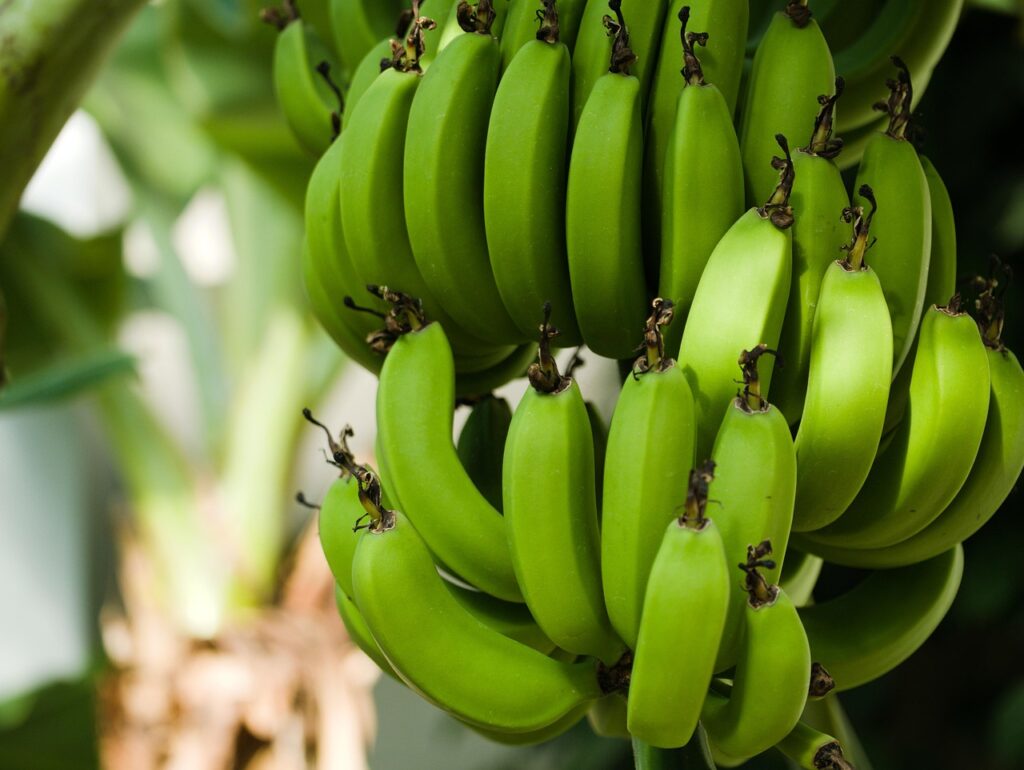
Review the list of foods below. Why not consider adding one or several to your meals? The study posted below suggests making a few additions to your regular diet may well prove beneficial in offering relief from Parkinson’s symptoms.
A resistant starch diet involves consuming foods that have dietary fiber. These foods pass through the small intestine largely undigested to nurture gut bacteria. Food sources of a resistant starch diet include unripe fruits (green bananas and green plantains are packed with resistant starch) and vegetables (white beans, kidney beans, black beans, lentils, chickpeas, and green peas).
About a Resistant Starch Diet
Brain Behav Immun. 2026 Feb:132:10621. Resistant starch improves Parkinson’s disease symptoms through restructuring of the gut microbiome and modulating inflammation
Abstract
Alterations in the gut microbiome and a “leaky” gut are associated with Parkinson’s disease (PD), which implies the prospect of rebalancing via dietary intervention. Here, we investigate the impact of a diet rich in resistant starch on the gut microbiome through a multi-omics approach.
We conducted a randomized, controlled trial with short-term and long-term phases involving 74 PD patients of three groups: conventional diet, supplementation with resistant starch, and high-fibre diet.
Our findings reveal associations between dietary patterns and changes in the gut microbiome’s taxonomic composition, functional potential, metabolic activity, and host inflammatory proteome response.
Resistant starch supplementation led to an increase in Faecalibacterium species and short-chain fatty acids alongside a reduction in opportunistic pathogens. Long-term supplementation also increased blood APOA4 and HSPA5 and reduced symptoms of PD. Our study highlights the potential of dietary interventions to modulate the gut microbiome and improve the quality of life for PD patients.
Robert Rodgers PhD
Founder 2004
Parkinsons Recovery
https://www.parkinsonsrecovery.com




Leave a Reply