
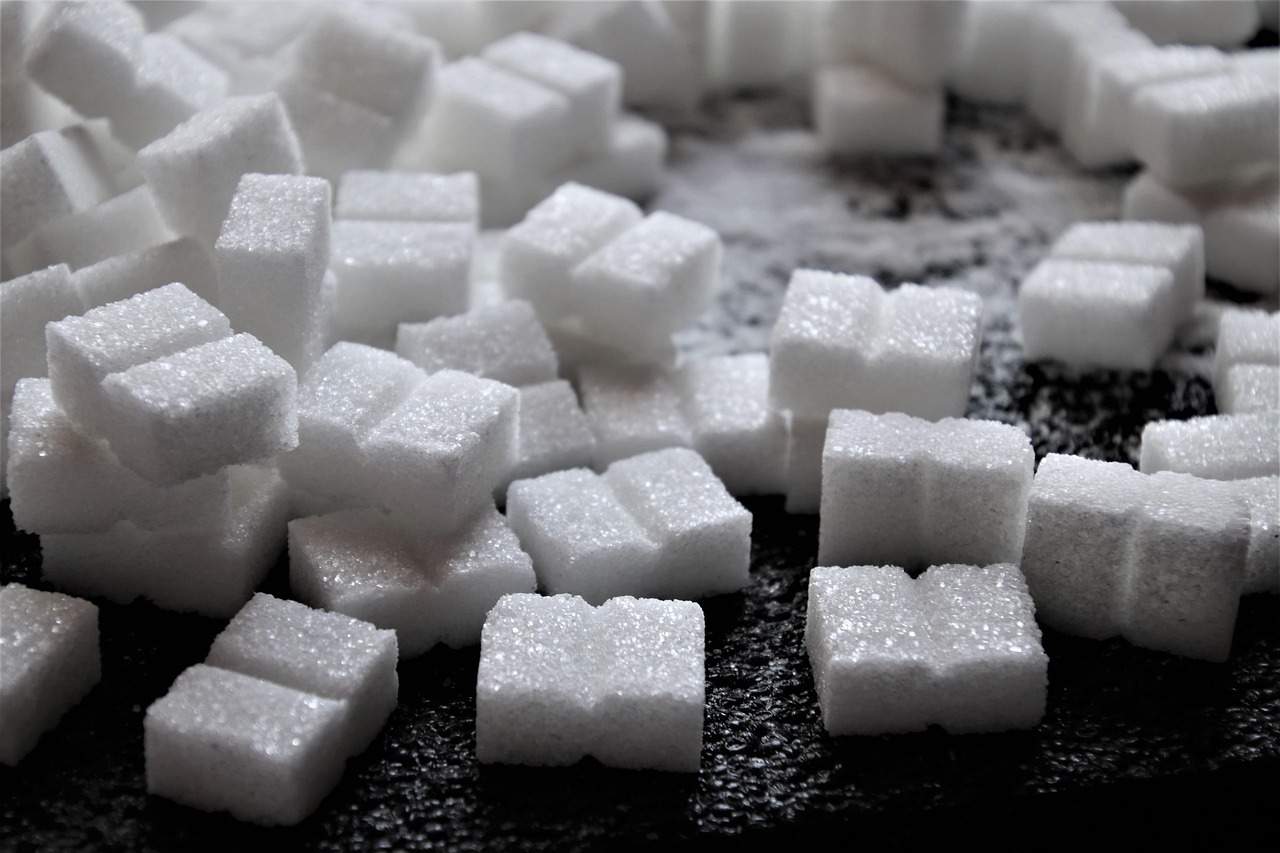
A toxic ingredient of most packaged foods that creates havoc with Parkinson’s symptoms is sugar – especially cane sugar. I recommend that everyone avoid eating any packaged foods that list cane sugar as an ingredient. A good sugar substitute is allulose
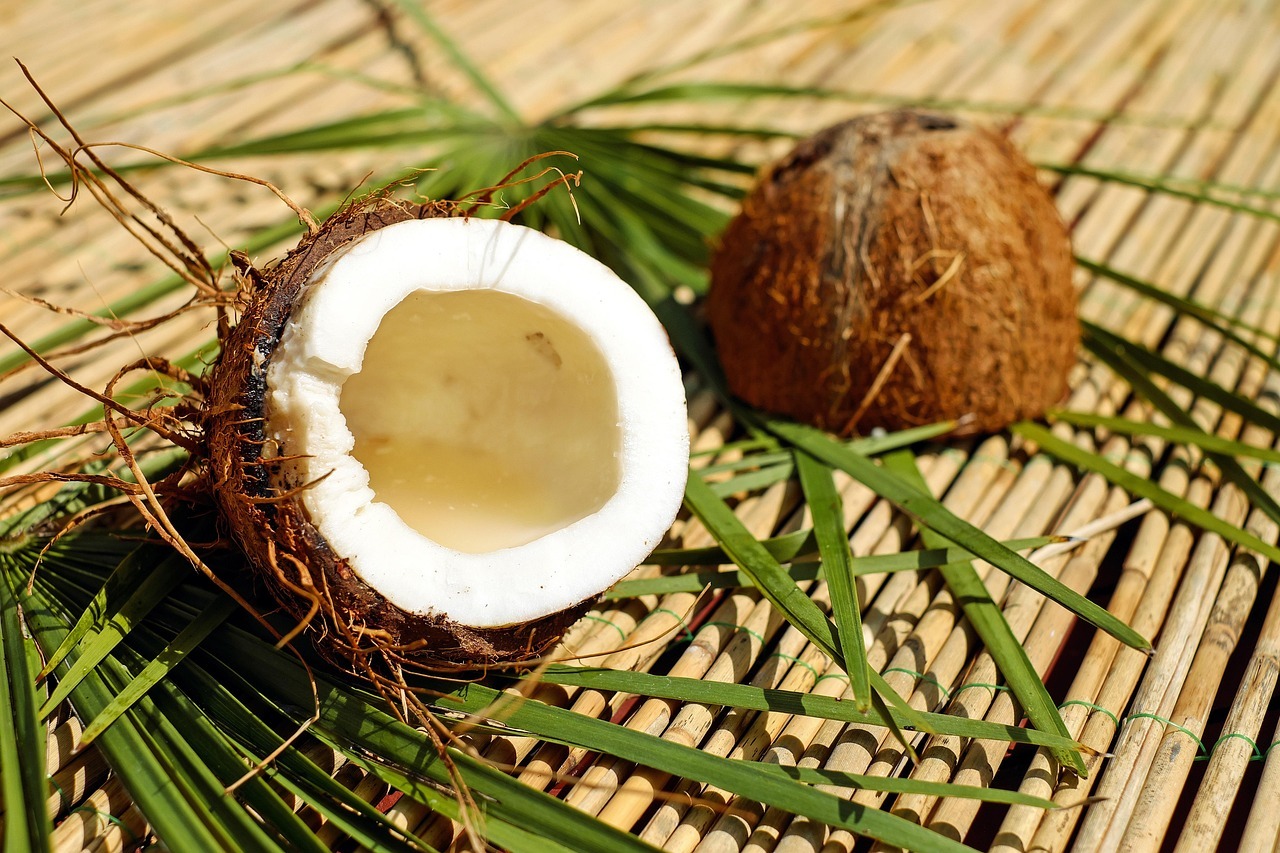
There exist excellent sugar substitutes which offer nutritional value that is not toxic. Look for sugar substitutes such as monk fruit, stevia and coconut sugar. A good sugar substitute is alluslose, an option many of you have likely never known about.
Allulose is widely considered a good and functional sugar substitute for many people, especially those managing diabetes, watching calories, or following a ketogenic diet. Researchers have recently identified a strong connection of insulin resistance and Parkinson’s symptoms which makes the importance of only eating good sugar substitutes even more critical.
Some desirable features of allulose …
• No Blood Sugar Impact: Allulose is absorbed in the small intestine but not metabolized into glucose so it does not spike blood sugar or insulin levels.
• Tastes and Acts Like Real Sugar: Allulose tastes very similar to regular table sugar (about 70% to 90% as sweet) with little bitter aftertaste.
• Great for Baking: It browns, caramelizes, and adds moisture to baked goods, and it prevents ice crystals from forming in frozen desserts like keto ice cream.
• Low Calories: It provides only about 0.4 calories per gram (roughly 1.6 calories per teaspoon), compared to 4 calories per gram for regular sugar.
• Tooth-Friendly: Unlike regular sugar, allulose does not promote cavities
Robert Rodgers PhD
Founder 2004
Parkinsons Recovery®
robert@parkinsonsrecovery.com

Leave a Reply