The big picture when it comes to understanding of the connection between sleep and Parkinsons is a gross imbalance between the sympathetic nervous system and the parasympathetic nervous system.
Flight or Fight?
The sympathetic system is easily understood as a flight-fight response. When we are afraid or anxious, we want to either run away from the problem or fight it directly.
Rest and Digest
The parasympathetic system is the opposite – the rest and chill out digest system. No one can digest their food when they are running a marathon. And no one can get to sleep if their muscles are postured to fight off an unwanted intruder into the bedroom.
We survive because both systems serve vital functions. When neurological symptoms become problematic, the sympathetic fight-flight system takes charge most of the time. Adrenaline and cortisol are fueling the fire inside out tissues. We are forever ready to engage and fight, seldom chilling out to rest and digest.
When you calm down your stress level and release past traumas you awaken a dormant parasympathetic nervous system. We all can get overly excited in the flash of an instant. Relaxing can take endless hours of meditation, soft music and pleasant company.
Connection Between Sleep and Parkinsons is Profound
The formidable challenge confronted by anyone experiencing the symptoms of Parkinsons confront is that rarely if do they drop down in the deep REM sleep that is critical for healing. Healing is successful only when we experience the level of deep sleep that is critical for rejuvenating and regenerating tissues.
A persistent flight flight sympathetic nervous system that dominates during the day does not relinquish control at night when sleeping. Nope. Once the sympathetic nervous system shifts into control is is not about to give it up. The refusal to back down is analogous to politicians who refuse to relinquish their power.
We slip down into that unconscious state of deep sleep when the body is literally paralyzed (in a good sense). There is a switch in the mid brain which is designed to turn on and off this ability to become paralyzed.
With Parkinson’s, the on-off switch gets stuck.
Many people with Parkinsons symptoms hold the belief they are getting good enough sleep. Most people with neurological challenges are not. are not.
The bottom line: introduce into your recovery program a set of therapies and ways that flip your switch at night so that your sympathetic nervous system is deactivated. Recovery will be at a stalemate until you achieve the deep state of REM sleep night after night.
What makes a difference between people who recover from Parkinson’s disease and those who do not? Eating a healthy, clean diet plays a leading role. Processed food destroys gut health.
People who eat processed foods with toxic additives tend flop with their recovery
People who eat live, organic unprocessed diets thrive with their recovery.
Diet is key.
In my over 1,000 discussions with persons diagnosed with Parkinson’s disease, I have encountered many who are well aware of this truth and make valiant efforts to clean up their diets, but with only partial success. Why is this?
They are addicted to those diet colas and ice creams and other processed foods. The following research will offer a compelling reason why the addictions have to be overcome for recovery to manifest.
Processed Food Destroys Gut Health
There are “good” and “bad” bacteria in the gut. The many different strains of good bacteria are necessary for healthy digestion. The bad bacteria and more virulent strains can gobble up the good bacteria.
Many people eat relatively clean diets but little nutrition is absorbed because the bad bacteria are in charge of their digestion. Good bacteria is lacking and even absent in some. Unfortunately the result is constipation and a variety of other digestive challenges for many persons who experience Parkinson’s symptoms.
Recent evidence indicates that the “bad” bacteria are beginning to dominate the “good” in research samples that have been studied. Why is this?
Researcher Robert Britton PhD from the Baylor College of Medicine and his colleagues wanted to know why the more virulent strains like clostridium difficile or C.diff (which is horrible, life threatening infection) were becoming so much more prevalent and knocking out the good bacteria.
These horribly nasty bacteria love to eat some of the nastiest “bad” additives used to extend the shelf life and moisture of processed foods like diet colas. One of the worse culprits is the sugar trehalose which the bad bacteria loves to eat.
The bottom line:
Continue to eat any processed foods and diet colas and your digestion will implode. Constipation will persist. Long term prognosis is the worst imaginable.
When and if you fall off the wagon and drink that one little diet cola or eat that “delicious” processed brownie you will pay a dear price. Recovery ain’t happen’ for you my friend.
I do understand why it is difficult to break addictions to eating processed foods. There is always an underlying emotional attachment to them. But, if you have set the intention to reverse whatever symptoms you currently experience that are associated with a diagnosis of Parkinson’s disease, you do not have a choice.You have to eat a 100% clean, organic, unprocessed food.
The answer to the question “What brand of CoQ10 is best?” has puzzled me for many years. The challenge with finding a reliable source turns on the fact Coq10 is not absorbed by the body.
I have been telling members of my global audience to avoid purchasing inexpensive brands because you are throwing your money away. The more expensive brands are clearly preferable.
The melting point of CoQ10 is 10 degrees above normal body temperature. Most of the supplements you buy – even those in oil – have crystallized even before you put them in your body.
Check it out for yourself. Paste whatever brand of CoQ10 you currently take on a sheet of wax paper. Then, shine the light from flashlight (or your phone) onto the spread of CoQ10. Do you see crystals? If so, your body is likely absorbing a tiny fraction of the CoQ10 from the supplement you are taking – as little as 1%.
In short, you are throwing your money down the toilet. This is partly why research studies find that you need to take relatively large doses of CoQ10. If the absorption is so terribly low, a high dose would be necessary.
You are having to spend a lot of money to get a modest benefit in return.
Natural pharmacist Ross Pelton tells me that the story does not end there. Even if the CoQ10 has not crystallized before you take it, it may crystallize after you take it. It was Ross who introduced me to the 75 studies of the Pharmanord brand of CoQ10 which reports a very high absorption rate.
I called the company to explore this further. I acquired some for myself and my family and have experienced more energy which I need desperately to keep up with the demands of Parkinsons Recovery. After over a decade of hesitation to recommend a best CoQ10 brand, I am finally comfortable recommending this one.
The price is also reasonable and you do not have to take as much. You can order the PharmaNord (https://www.pharmanord.com) CoQ10 directly on their website. Their professional staff set up a 20% discount for members of my audience. Enter the coupon code PRQ10WEB to claim a 20% discount (not case sensitive) if you are shipping to a USA destination.
Check out the Pharmanord research for yourself. It is extensive and impressive.
Caloric restriction is a lifestyle modification in which the amount of calories ingested is reduced to a significant amount without resulting in malnutrition. The studies posted below conclude caloric restriction is beneficial for Parkinsons.
Caloric Restriction Mimetics offer a way to get the benefits of calorie restriction without the difficulty of strictly limiting food intake. These compounds act in ways similar to actual calorie reduction by activating cellular cleanup without requiring severe dietary limits.
The compounds are similar to actual calorie reduction by activating cellular cleanup without requiring severe dietary limits.
Key examples include spermidine (found in mushrooms) and resveratrol (found in grapes and berries). They mimic fasting, boost cell repair and offer potential treatments for neurodegenerative conditions like Parkinsons. They also improve glucose metabolism found to be an issue associated with symptoms of Parkinsons.
Summary: Caloric Restriction is Beneficial Parkinsons and show compelling promise as a natural therapy for all neurodegenerative conditions.
Why Caloric Restriction Matters
Neuroscience. 2025 Feb 16:567:235-248. Mechanisms and early efficacy data of caloric restriction and caloric restriction mimetics in neurodegenerative disease
Abstract
Neurodegenerative disorders (NDDs) have been prevalent for more than a decade, and the number of individuals affected per year has increased exponentially. Among these NDDs, Alzheimer’s disease, which causes extreme cognitive impairment, and Parkinson’s disease, characterized by impairments in motor activity, are the most prevalent.
While few treatments are available for clinical practice, they have minimal effects on reversing the neurodegeneration associated with these debilitating diseases. Lifestyle modifications and dietary choices are emerging and promising approaches to combat these disorders.
Of the lifestyle changes that one could adopt, a major habit is caloric restriction. Caloric restriction is a lifestyle modification in which the amount of calories ingested is reduced to a significant amount without resulting in malnutrition. However, maintaining such a lifestyle is challenging.
As alternatives, certain compounds have been recognized to mimic the effects produced by caloric restrictions. These compounds are called caloric restriction mimetics (CRMs). Among these compounds, some have been designated established CRMs, namely, resveratrol, metformin, and rapamycin, whereas several other candidates are termed potential CRMs because of a lack of conclusive evidence of their effects.
The potential CRMs discussed in this review are quercetin, chrysin, astragalin, apigenin, curcumin, epigallocatechin-3-gallate, and NAD+ precursors. This review aims to provide an overview of these CRMs’ effectiveness in preventing neurodegenerative disorders associated with aging. Moreover, we highlight the clinical relevance of these compounds by discussing in detail the results of clinical trials on them.
******
Curr Nutr Rep. 2024 Dec;13(4):691-700. Effects of Caloric Restriction and Intermittent Fasting and Their Combined Exercise on Cognitive Functioning: A Review
Abstract
Purpose of review: The impact of dietary habits on cognitive function is increasingly gaining attention. The review is to discuss how caloric restriction (CR) and intermittent fasting (IF) can enhance cognitive function in healthy states through multiple pathways that interact with one another. Secondly, to explore the effects of CR and IF on cognitive function in conditions of neurodegenerative diseases, obesity diabetes and aging, as well as potential synergistic effects in combination with exercise to prevent cognitively related neurodegenerative diseases.
Recent findings: With age, the human brain ages and develops corresponding neurodegenerative diseases such as Alzheimer’s disease, Parkinson’s disease, and epilepsy, which in turn trigger cognitive impairment. Recent research indicates that the impact of diet and exercise on cognitive function is increasingly gaining attention.
The benefits of exercise for cognitive function and brain plasticity are numerous, and future research can examine the efficacy of particular dietary regimens during physical activity when combined with diet which can prevent cognitive decline.
Analysis of factors associated with a diagnosis of Parkinsons among Finland patients identified one factor in particular: antibiotic treatments for infectious conditions. Here we have further confirmation that the gut microbiome plays a leading role in causing the symptoms of Parkinsons.
Eliminating harmful bacteria is clearly a step in the right direction, but if antibiotics are found to be problematic, what alternatives are available?
A surprising number of foods facilitate the elimination of harmful bacteria. Here is the short list:
Oregano
Tumeric
Garlic
Ginger
Honey (Mauka)
Cinnamon
Myrrh
Finland Study that Concludes Antibiotics Linked to Parkinsons
Background: Gut microbiota alterations have been found in prodromal and established Parkinson’s disease (PD). Antibiotic exposure can have long-term effects on the composition of human intestinal microbiota, but a potential connection between antibiotic exposure and risk of PD has not been studied previously.
Objective: To evaluate the impact of antibiotic exposure on the risk of PD in a nationwide, register-based, case-control study.
Methods: We identified all patients who were diagnosed with PD in Finland during the years 1998 to 2014. Information was obtained on individual purchases of orally administered antibiotics during the years 1993 to 2014. We assessed the association between prior antibiotic exposure and PD using conditional logistic regression.
Results: The study population consisted of 13,976 PD cases and 40,697 controls. The strongest connection with PD risk was found for oral exposure to macrolides and lincosamides (adjusted odds ratio up to 1.416; 95% confidence interval, 1.053-1.904). After correction for multiple comparisons, exposure to antianaerobics and tetracyclines 10 to 15 years before the index date, sulfonamides and trimethoprim 1 to 5 years before the index date, and antifungal medications 1 to 5 years before the index date were positively associated with PD risk. In post hoc analyses, further positive associations were found for broad-spectrum antibiotics.
Conclusions: Exposure to certain types of oral antibiotics seems to be associated with an elevated risk of PD with a delay that is consistent with the proposed duration of a prodromal period. The pattern of associations supports the hypothesis that effects on gut microbiota could link antibiotics to PD,
What is the foundational issue that fuels symptoms of chronic illness day in and day out? Answer: trauma. Trauma distorts our human energy field which must be restructured for symptoms of chronic illness to resolve.
Path to Recovery Presents Unexpected Challenges
One path to recovery is to make the body more resilient by taking the best supplements and eating the most nutritious foods possible. Many people with chronic illnesses like Parkinsons take hand fulls of vitamins and supplements every day with the intention of helping their bodies regain strength and health. This is a sound strategy guided by the expectation the body lacks essential nutrients to heal.
This approach supports the recovery process but wait. Why do so many people who attempt this approach experience a health condition that continues to deteriorate? They are doing everything right, eh?
They eat pure, clean food.
They ingest the best supplements available.
They exercise.
Symptoms continue to pester.
How frustrating can a recovery program get? You are doing everything you are supposed to be doing and yet continue to be sick? Really?
Distortions in the Human Energy Field Sustain Chronic Illness
I have a fresh perspective on healing chronic illness for you to consider. There is something missing in a recovery program. It will not be genuinely successful without restructuring the human energy field. You cannot move forward with recovery through a single minded focus on giving your body more high quality fuel.
Why? The energy field is mangled, twisted, distorted and entangled.
Such entanglements are caused by a wide variety of influences over the course of a lifetime including…
Toxic exposure
Mental abuse
Physical abuse
Stress
Traumatic experiences
Accidents
Beliefs that are not true
Ongoing thoughts that reinforce past traumas
Clearing influences in entangled and blocked energy fields is the key to creating the conditions necessary for the body to heal. The body has the wisdom to heal, but when our energy field is tangled and twisted, the path to recovery is detoured into oblivion until the distortions in the human energy are cleared and reset.
How go about clearing distortions in your energy field? Energy healings can be very beneficial which can take a variety of forms: craniosacral therapy, Bowen therapy and energy healings. In addition, thoughts that are not in your best and highest good need need to be transformed. If you hold the belief near and dear to your heart that recovery is impossible, you will assuredly manifest this false belief.
Summary. Everyone encounters traumas that take a variety of forms – whether physical or emotional. Clearing past traumas along with providing your body with the nutrition needed to heal and exercising are the route to a successful recovery.
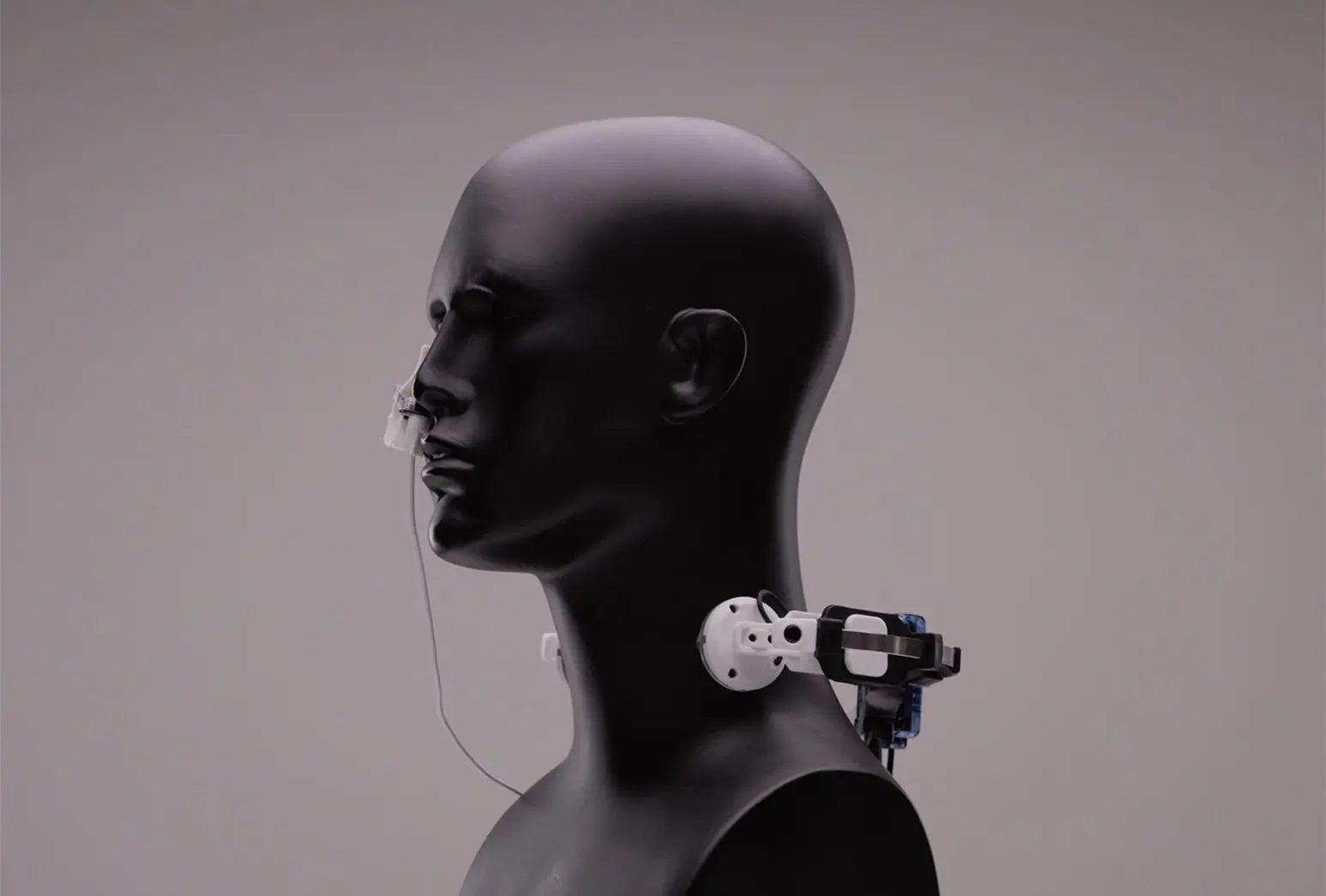
People who celebrate a successful recovery learn how to maintain the rest and digest state of the parasympathetic nervous system. Research concludes that light therapy shuts down anxiety. A single session use of the Vielight Vagus light therapy sinks the body into that delicious state of calm and relaxation.
Anxiety is the fuel that sustains symptoms of Parkinsons. A central way to reduce anxiety is to gently stimulate the vagus nerve.
This is precisely what the Vielight Vagus Nerve device accomplishes.
An overview of a Vielight Vagus nerve study provides sound support for use of the device by persons who confronted continuous, persistent anxiety that continues to fuel symptoms. Cost of the device is reasonable. Use the coupon code healing4me to claim a 10% discount.
Summary of New Research on the Vielight Vagus Device
The study asked the following question: what does a single session of the Vielight Vagus do to the brain’s own resting rhythms?
Using continuous EEG across one 20-minute session, researchers tracked the brain’s “microstates,” the fraction-of-a-second patterns that reveal moment-to-moment brain state. The recording showed a clean, internally consistent shift.
The pattern tied to outward, vigilant attention receded, while patterns associated with more inward, self referential processing grew. Notably, this convergence points in one coherent direction.
The shift is exactly what a device built around parasympathetic, “rest and digest” activation would predict: a move toward a calmer, more inwardly-directed brain state.
Summary: The Vagus was engineered to enhance brain-body connectivityand improve the brain-gut connection.
Vagus nerve stimulation also promotes healthy HRV and stress relief, leading to enhanced mental and physiological recovery.
What in the world is the connection between betalains and Parkinsons and furthermore, what are betalains health benefits for inflammation relief? Is this some type of new medicine coming out on the market?
Answer: No. This is not a prescription medicine with side effects. This natural option is inspired by – of all people – Hippocrates who said: “Let your food be your medicine and your medicine by your food.” Betalains are an extract from beets.
Betalains are the red-violet and yellow pigments that are naturally found in beets and a few other foods. How might this extract from beets offer benefits for persons diagnosed with Parkinsons? Consider this impressive list. Betalains health benefits include …
Reduce the biomarkers of inflammation
Fight fatigue
Increase energy
Support mental alertness
Detox the liver
Fight free radicals
Purified betalains have been clinically shown to reduce inflammation by 47% and boost energy by more than 100$.
I have two sources of additional information about betalains health benefits for inflammation. First, an interview with Kari Skinner. Click on the zoom replay link below to watch my interview with her.
Second, studies are posted below that tout the advantages of taking betatains as a treatment for symptoms of Parkinsons. There is clearly increasing interest the value of food and in particular Betalains as a natural treatment for Parkinsons symptoms.
Betalains Research
Note on the reference to Betanins below. Betalains are the entire class of pigments. Betanin is one specific pigment molecule within this class.
Plants (Basel). 2025 Mar 21;14(7):994. The Neuroprotective Potential of Betalains: A Focused Review
Abstract
Betalains are natural, hydrophilic pigments present in a variety of plants from the order Caryophyllales, extensively used as antioxidants. In recent decades, betalains have been intensively researched, with numerous studies confirming their anti-inflammatory, antioxidant, antimicrobial, and antinociceptive properties.
More recently, due to a significant increase in the aging population worldwide, there has been growing interest in the study of preventive effects of betalains on age-related, degenerative brain diseases.
The aim of this review is to evaluate the potential neuroprotective role of betalains in the prevention of neurodegenerative diseases like Alzheimer’s disease and Parkinson’s disease, as well as other types of neurodegenerative and ischemic brain injuries. Preclinical in vivo and in vitro pharmacological studies investigating the neuroprotective effects of betalains are reviewed, with a focus on the putative mechanisms of action. Available studies in humans are also presented.
******
Metab Brain Dis. 2023 Mar;38(3):805-817. Traversing through the cell signaling pathways of neuroprotection by betanin: therapeutic relevance to Alzheimer’s Disease and Parkinson’s Disease
Abstract
Modulation of cell signaling pathways is the key area of research towards the treatment of neurodegenerative disorders. Cell signaling pathways are considered to play major role in the etiology and pathogenesis of Alzheimer’s disease and Parkinson’s disease.
Strikingly, betanin is reported to show commendable anti-oxidative, anti-inflammatory and anti-apoptotic effects in several disease studies including Alzheimers and Parkinsons.
The present review discusses the pre-clinical studies demonstrating the neuroprotective effects of betanin by virtue of its potential to ameliorate oxidative stress, neuroinflammation, abnormal protein aggregation and cell death. It highlights the direct linkage between the neuroprotective abilities of betanin and upregulation of signaling pathways.
******
Int J Mol Sci. 2025 Oct 6;26(19):9726. Neuroprotective Effects of Betanin in a Mouse Model of Parkinson’s Disease: Behavioural and Neurotransmitter Pathway Insights
Abstract
The study aimed to evaluate the effect of betanin-a bioactive, natural pigment found in beetroot and prickly pear-on cognitive function, motor performance, and neurotransmission in a mouse model of Parkinson’s disease.
Aged mice with Parkinsons like symptoms were pretreated with betanin (50 or 100 mg/kg b.w./day) via drinking water. Behavioural tests assessed motor skills, anxiety-related behaviour, and spatial memory. Biochemical analyses of central nervous system structures were conducted using high-performance liquid chromatography to determine neurotransmitter levels and metabolites.
Betanin improved motor and cognitive functions in treated mice. While learning ability remained unchanged, the 50 mg/kg dose alleviated spatial memory deficits. Biochemically, betanin moderately limited dopamine depletion and significantly influenced dopamine metabolism and serotonin levels. These findings suggest that betanin, as a functional food component, may exert neuroprotective effects and support cognitive and motor function in neurodegenerative conditions such as Parkinsons.
******
Beta vulgaris: The plant (beetroot/sugar beet).
Betalains: The natural pigments (found inside the beet)
Indian J Pharmacol. 2015 Jul-Aug;47(4):403-8. Neuroprotective potential of Beta vulgaris L. in Parkinson’s disease
Abstract
Objective: The objective was to investigate the neuroprotective role of Beta vulgaris in Parkinson’s disease (PD).
Materials and methods: PD was induced by administration of reserpine (5 mg/kg/day, i.p for 5 consecutive days), haloperidol (1 mg/kg, i.p.), and tacrine (2.5 mg/kg, i.p.) in experimental animals. The symptoms of PD such as tremors, akinesia, rigidity, catalepsy, and vacuous chewing movements (VCMs) were evaluated. Foot shock-induced aggression (FSIA) model was used to confirm anti-parkinsonian activity. The methanolic extract of Beta vulgaris (MEBV) was administered at doses of 100, 200, and 300 mg/kg, p.o. The combination of L-dopa and carbidopa was used as a standard drug. Behavioral studies such as locomotor activity and grip strength were determined, and oxidative stress was evaluated in FSIA model in rat brain.
Results: Pretreatment with MEBV (200 and 300 mg/kg) significantly reduced the intensity of muscular rigidity, duration of catalepsy, akinesia, the number of tremors, VCMs, and increase fighting behavior. The locomotor activity and grip strength were significantly increased by MEBV. In FSIA, the biochemical analysis of brain revealed the increased level of lipid peroxidation (LPO) and decreased levels of superoxide dismutase (SOD) and catalase (CAT). MEBV significantly reduced LPO level and restored the defensive antioxidant enzymes SOD and CAT in rat brain.
Conclusions: The results indicated the protective role of B. vulgaris against PD.
One approach for reversing symptoms of Parkinsons is to provide boosts of dopamine whether through natural dopamine supplements or through prescription medications. Most people are familiar with prescription medications such as Sinemet that rely on this approach. Prescription medications work beautifully for some people. Others cannot tolerate the side effects. Fermented Papaya for Parkinsons is a natural option that works beautifully for Aunt Bean.
Aunt Bean explains in this video how fermented papaya is one among other natural dopamine supplements which has helped enormously with providing relief from the troubling symptoms of Parkinsons disease she has experienced.
Aunt Bean provides a detailed demonstrated of how she prepares the fermented papaya that offers her welcome relief from her own symptoms.
Why Fermented Papaya for Parkinsons Helps
Antioxidant Properties: Fermented papaya is rich in antioxidants, particularly carotenoids like beta-carotene and lycopene, which have been shown to neutralize harmful free radicals. Since oxidative stress plays a role in the degeneration of dopamine-producing neurons in Parkinson’s disease, these antioxidants help protect brain cells from damage.
Anti-inflammatory Effects: Chronic inflammation in the brain is another key factor in Parkinson’s progression. The compounds found in fermented papaya have anti-inflammatory effects, reducing inflammation and supporting brain health.
Enhancing Dopaminergic Function: Some studies find that fermented papaya helps improve dopamine levels or the function of dopamine receptors. Dopamine is a neurotransmitter that is depleted in Parkinson’s disease.,
Gut Health: There’s growing recognition of the importance of gut health in neurological conditions like Parkinson’s disease. The fermentation process can increase the bioavailability of beneficial compounds and may support the gut microbiome, which has been linked to brain health through the gut-brain axis.
Vitamin D3 recommendation as treatment for Parkinsons is reported in two recent studies. Abstracts are posted below.
These recent studies find that vitamin D3 plays a the pivotal role in preventing – as well as treating – symptoms associated with Parkinsons. Sunshine is a primary source of Vitamin D3, so bathing in the sun is therapeutic. Supplementation is an alternative treatment during the dreary winter months.
While there are dozens of recommendations of supplements that help offer relief from symptoms of Parkinsons, consider placing D3 at the top of your list of vitamins researchers now recommend.
Studies that Document a Relationship between D3 and Parkinsons
Adv Exp Med Biol. 2026:1493:51-67. Vitamin D and Brain Health
Abstract
Vitamin D is widely known for its influence on the homeostasis of calcium and phosphate levels in the body and its involvement in maintaining musculoskeletal health. This vitamin has immunomodulatory effects on both the innate and adaptive immune systems. The active form of vitamin D plays a neuroprotective role in the central nervous system, highlighting its importance in maintaining brain health.
Studies have noted the role of vitamin D in the formation of antioxidants, reduction of pro-inflammatory cytokines, lowering of oxidative stress, improvement of mitochondrial respiratory health, and slowing of the progression of neuronal damage.
This vitamin may also influence development by facilitating the differentiation of cells, the expression of neurotrophic factors, the regulation of cytokines, the synthesis of neurotransmitters, intracellular calcium signaling, and the expression of genes involved in neuronal differentiation.
An association has been noted between vitamin D deficiency and the risk of developing several neuronal diseases, including Parkinson’s disease, headaches, multiple sclerosis, and Alzheimer’s disease. The neuroprotective role of vitamin D suggests the potential benefit of vitamin supplementation in slowing the progression of such conditions and promoting brain health.
******
Curr Pharm Des. 2024;30(5):323-332. Vitamin D as a Modulator of Neuroinflammation: Implications for Brain Health
Abstract
Neuroinflammation represents a critical immune response within the brain, playing a pivotal role in defense against injury and infection. However, when this response becomes chronic, it can contribute to the development of various neurodegenerative and psychiatric disorders.
This bibliographic review delves into the role of vitamin D in modulating neuroinflammation and its implications for brain health, particularly in the context of neurological and psychiatric disorders.
While vitamin D is traditionally associated with calcium homeostasis and bone health, it also exerts immunomodulatory and neuroprotective effects within the central nervous system. Through comprehensive analysis of preclinical and clinical studies, we uncover how vitamin D, acting through its receptors in glial cells, may influence the production of proinflammatory cytokines and antioxidants, potentially mitigating the cascade of events leading to neuronal damage.
Clinical research has identified vitamin D deficiency as a common thread in the increased risks of multiple sclerosis, Parkinson’s disease, Alzheimer’s, and depression, among others. Furthermore, preclinical models suggest vitamin D’s regulatory capacity over inflammatory mediators, its protective role against neuronal apoptosis, and its contribution to neurogenesis and synaptic plasticity.
These insights underscore the potential of vitamin D supplementation not only in slowing the progression of neurodegenerative diseases but also in improving the quality of life for patients suffering from psychiatric conditions.
Neuroinflammation is a crucial immune response in the brain against injuries or infections, but its persistence can lead to diseases such as Alzheimer’s, Parkinson’s, multiple sclerosis, and depression. Cholecalciferol (Vitamin D3) emerges as a regulator of neuroinflammation, present in brain cells such as astrocytes and microglia, modulating immune function. Vitamin D’s mechanisms of action include cytokine modulation and regulation of nuclear and mitochondrial genes. It adjusts inflammatory mediators and antioxidants, resulting in neuroprotective effects.
Additionally, vitamin D impacts neurotransmitter synthesis and brain plasticity. This positions vitamin D as a potential adjunct in treating diseases like Alzheimer’s and Parkinson’s. Lastly, its role in intestinal microbiota and serotonin synthesis contributes to psychiatric disorders like schizophrenia and depression. Thus, vitamin D presents a novel therapeutic approach for neuroinflammatory, neurodegenerative, and neuropsychiatric diseases.
Research has pinpointed over 120 natural treatment options to reverse Parkinsons symptoms. There are so many possibilities. Which ones will offer you the opportunity to celebrate relief from your symptoms?
Two fundamental choices are available for persons diagnosed with Parkinson’s disease. The most popular choice is to suppress symptoms with medications or supplements. These options enable you to celebrate temporary relief from problematic symptoms.
The choice to suppress symptoms makes perfect sense to me. Most individuals diagnosed with Parkinson’s disease are desperate to have relief from symptoms even if temporary. If we are in pain, we want a simple result to end the pain now. None of us really care what has to happen to make this possible
This less preferred option is to embrace natural therapies that address the underlying cause of symptoms. This is not the preferred choice for most people.
Natural Therapies to Support the Ability of the Body to Heal
The second choice is to embrace natural therapies designed to support healing from the inside out. These options do not usually offer temporary relief from symptoms. The frustrating side of the second option is that you may feel much worse physically in the short run.
If the accumulation of toxins are influencing symptoms, the side effects of detox protocols make you fee worse in the short turn. Side effects of detoxing are unpleasant to be sure: headaches, fatigue, depression, etc. The goal to feel better can take months
The unwanted effects of detoxing and releasing the traumas embedded at the cellular level can all be roadblocks to recovery, but what is the major obstacle to recovery from Parkinsons? My answer will likely surprise you. The major obstacle to recovery from Parkinsons is to abandon a program of recovery too soon.
When the body has activated authentic healing it is rare to feel better. You will likely feel worse. Why? The release of toxins and traumas are not “feel good” experiences. When the body is detoxing, you will most likely feel tired, unmotivated and even depressed. A successful journey down the road to recovery is rocky with jumps and starts along the way.
Authentic healing requires a heavy dose of patience and persistence. Once you decide on a therapy to embrace and are convinced it will help, please give it a chance to manifest.
It is not uncommon for people who choose the option of healing from the inside out to make a valiant effort, but give up. The urge to get quick relief from the symptoms becomes the priority. But in many cases, if toxins and/or trauma are not acknowledged and addressed as causes, symptoms will persist.
How about considering both options to be viable? Find ways to suppress symptoms temporarily while you also engage an effort to find the cause of your symptoms and address them.
I have a recommendation for you to consider that you may well think is outrageous. I admit it. It is outrageous. Forget about your diagnosis.If you follow my recommendation, you will be surprised and pleased with the result.
My suggestion – which costs nothing by the way – is to forget about the fact you have been diagnosed with Parkinson’s disease or Alzheimers or some other chronic condition. My recommendation obviously needs an explanation which I offer by way of explaining why some people recover from cancer and others do not.
Cancer Survivors
People who are more likely to recover from cancer have one trait in common. They forget about the fact they have been diagnosed with cancer. They focus their energy on making the changes in their life that are necessary to help their body heal.
They devote time and energy eating nutritious food, exercising every day and living their life to the fullest. They embrace their passions, especially those they have neglected.
People who do not recover from cancer focus their energy on the cancer itself.
They focus their thoughts and attention to where the cancer is believed to be located in their body.
They consider over and over again the methods that must be used to kill the cancer.
They spend their time in hospitals and clinics receiving invasive treatments.
They become intimately acquainted with the technical terminology used by medical doctors. In just a few weeks they sound like doctors.
When I just used the word “cancer” – did you feel a tinge of fear crawl up your spine? (I felt it!) Did you perhaps think to yourself …
Oh my! Having Parkinsons is enough for anyone. Is it possible I have cancer too?
Just reading about cancer is traumatic for people. Guess what? We all have cancer cells in our body. Cancer cells are everywhere – in our toes and in our head. No one is exempt.
Most people give their cancer cells get far too much attention. It is this intense attention and fear that feeds and nourishes the cancer to grow rapidly and thrive. The intensity of the attention gives the cancer cells infusions of energy to multiply.
Who Recovers from Parkinsons?
Permit me now to apply the same ideas about cancer to Parkinsons. Did you go into fear like many others when your medical professional diagnosed you with “Parkinson’s disease”?
Your doctor has to make a diagnosis else they cannot prescribe medications.
I say :Forget about it.
Drain the entire experience of being told you have this “disease” town the toilet. I predict you will be much happier.
You will have more enthusiasm.
You will have more time to focus attention on taking the positive steps needed to reverse your symptoms.
You will enjoy spending more time with your family. You will regenerate a love of living life to the fullest.
Let the doctors and researchers agonize over a diagnosis. Let them worry which treatments to recommend for “Parkinson’s Disease.” That happens to be the work that they have chosen. Acknowledge that it is the job of medical doctors and researchers to sort through these issues. You are not being paid a handsome salary to think these thoughts. They are.
Centering your moment to moment thoughts on the fact you have been diagnosed with Parkinson’s need not dominate or ruin your life. Any diagnosis – yours included – is simply the opinion of one individual anyway. There is no definitive way for medical professionals to diagnose Parkinsons.
My research reveals that you may well not have what is diagnosed as classic “Parkinson’s disease.” You have something else. Why get depressed over a disease state you may have never have had anyway? Many people discover that second opinions offer differ from the first. Why get depressed about a diagnosis that may be dead wrong?
When you forget about it, you no longer have to think about whether a “cure” will be found in your lifetime. Right? It does not matter a flip.
Let the doctors and researchers worry about finding a cure. Again, that is their job. Your job is to get well.
You are not being paid to think about a cure – so why bother? It just clutters up your mind with thoughts that you can do nothing about.
I believe when you forget about it, you have the opportunity to become more mindful of all the signals your body is sending to you moment to moment. Symptoms no longer have an overarching label of a static “disease.” They are simply discrete messages that your body sends to you moment to moment that change is required of some type for symptoms to resolve. Instead of trying to suppress the symptoms, why not listen to them? Allow your body is talk to you.
Perhaps you simply need to drink more water.
Perhaps you simply need to breathe more deeply.
Perhaps you need to stop using a cell phone.
Perhaps you need to stop eating sugar.
Perhaps you need more exercise.
Perhaps …
If you insist on attaching yourself to the proposition you have Parkinson’s disease, you are much more likely to wait around for a “cure” than to realize that in the moment, all you may need to do to feel better is to drink water, breath more deeply and exercise and …
Focusing on a disease – Parkinson’s in this case – generates negative thoughts. It activates and sustains depression. Focusing on your passions opens endless possibilities of exploration and experimentation.
Want to live a happier life despite whatever symptoms you currently experience?
Want to reverse depression?
Want to have more energy to live your life to the fullest?
Certainly there are many ways to accomplish these goals. One of the smartest and might I add cheapest ways is to simply just to forget you have been diagnosed with Parkinson’s disease. Let your doctor worry about a cure. Get on with the business of healing and pursuing your passions.
Below is an abstract from a study that examined the usefulness of memory training for 76 individuals currently diagnosed with Parkinson’s disease:
Parkinsonism Relat Disord. 2020 Mar;72:13-22. doi: 10.1016. Effects of working memory training in patients with Parkinson’s disease without cognitive impairment: A randomized controlled trial. Anja Ophey , Kathrin Giehl , Sarah Rehberg , Carsten Eggers , Paul Reker , Thilo van Eimeren , Elke Kalbe
Objective: To determine the feasibility and evaluate effects of a computerized working memory (WM) training (WMT) in patients with Parkinson’s Disease (PD) on cognitive and clinical outcomes.
Methods: 76 patients with PD without cognitive impairment were randomized to either the WMT group (n = 37), who participated in a 5-week adaptive WMT, or a passive waiting-list control group (CG, n = 39). Patients underwent clinical and neuropsychological examination at baseline, after training, and at 3-months follow-up, with verbal WM and non-verbal WM as primary outcomes. Outcome assessors were blinded for group allocation.
Results: All WMT participants completed the training successfully and reported high levels of motivation for and satisfaction with the training. Repeated-measures, linear mixed-effects models revealed positive training effects for the WMT group compared to the CG in verbal working memory with a small relative effect size 0.39 [95%CI 0.05; 0.76] for the 3-months follow-up only. No other reliable training effects in cognitive and clinical variables were found for either point of time.
Conclusions: In this randomized controlled trial, memory training for dementia is feasible and yielded some evidence for 3-months follow-up training gains in patients with Parkinsons disease. WMT might be an effective intervention to prevent cognitive decline in this patient group.
Studies recently have highlighted how natural treatments for neurological symptoms are successfully obtained from eating certain foods. Recent studies listed below focus on mushroom nutrition for Parkinsons.
If you are not allergic to mushrooms (most people are not), then why not begin eating a variety of different mushrooms as an addition to your evening meals?
Mushroom Nutrition for Parkinsons Studies
Antioxidants (Basel). 2026 Apr 21;15(4):519. Potential Protection Against Parkinson’s Disease by Ergothioneine-Nature’s Multifactorial Neuroprotectant
Abstract
The use of neuroprotective nutraceuticals as a strategy against neurodegenerative diseases such as Parkinson’s disease (PD) has gained considerable traction in recent years. In this review, we highlight ergothioneine (ET)-a naturally occurring thiol/thione derivative abundant in mushrooms-as a promising candidate, given its long half-life, blood-brain barrier penetration, and high bioavailability.
Numerous population studies have linked low blood ET levels with increased risk and progression of neurological and other age-related disorders in humans, suggesting that dietary ET may confer neuroprotective benefits. Supporting this, several studies have demonstrated the efficacy of ET treatment in reducing PD-associated molecular damage across various pre-clinical models such as C. elegans, Drosophila, rodent models and human neuronal cultures, leading to marked improvements in disease phenotypes.
We summarize some of the proposed mechanisms by which ET may exert neuroprotection in PD, including the reduction of protein aggregation, enhancement of mitochondrial function, mitigation of oxidative stress, and attenuation of apoptosis and neuroinflammation. We also highlight recent clinical trials demonstrating the safety and potential efficacy of ET.
******
Nutrients. 2023 Apr 15;15(8):1913. Antioxidant Compounds from Edible Mushrooms as Potential Candidates for Treating Age-Related Neurodegenerative Diseases
Abstract
The last century has seen an increase in our life expectancy. As a result, various age-related diseases, such as neurodegenerative diseases (NDs), have emerged, representing new challenges to society.
Oxidative stress (OS), a condition of redox imbalance resulting from excessive production of reactive oxygen species, represents a common feature that characterizes the brains of elderly people, thus contributing to NDs. Consequently, antioxidant supplementation or dietary intake of antioxidant-containing foods could represent an effective preventive and therapeutic intervention to maintain the integrity and survival of neurons and to counteract the neurodegenerative pathologies associated with aging.
Food contains numerous bioactive molecules with beneficial actions for human health. To this purpose, a wide range of edible mushrooms have been reported to produce different antioxidant compounds such as phenolics, flavonoids, polysaccharides, vitamins, carotenoids, ergothioneine, and others, which might be used for dietary supplementation to enhance antioxidant defenses and, consequently, the prevention of age-related neurological diseases.
In this review, we summarized the role of oxidative stress in age-related NDs, focusing on the current knowledge of the antioxidant compounds present in edible mushrooms, and highlighting their potential to preserve healthy aging by counteracting age-associated NDs.
What is the answer to the question everyone wants to hear? What are the best natural options for Parkinsons? What offers the best opportunity for recovery? Who is a resource to ask that will always provide the right answer?
No doubt there are excellent resources to ask. Friends and family can be a rich resource to tap. Medical care professionals have a wealth of experience treating the condition. Their information and suggestions can always be very instructive. It is always a good idea to ask friends, family and medical care professionals.
What about testimonials? I have to report that I do not pay attention to testimonials. With the emergence of artificial intelligence, many are fake.
So what is the best resource that will give you 100% accurate answers to questions about the best natural options for Parkinsons that you personally need to pursue?
Ask your body to give you the answers. Your body always knows what it needs.
Some people like to muscle test questions about this or that therapy. Others are uncomfortable with that approach. Trusting your own wisdom and instincts gets you the same accurate answers as muscle testing.
The bottom line for me is to collect information about everyone and everywhere about options you are drawn to pursue. Then check in with your inner wisdom to know what is the best option to pursue for you right now.
I have exciting results of a new study just published: light therapy improves memory. This adds further evidence for the effectiveness of light therapy (now referred to by researchers as photobiomodulation) as a natural way to improve memory and cognition.
Subjects in this study all had mild cognitive impairment, not one that is extensive landing people in Alzheimer’s lock down nursing care facilities. The current thinking is that early dementia can be reversed. When it has progressed to an advanced stage, possibility of reversal is limited.
If you are one of the hundreds of members of my audience who have a Neuro Vielight device, please continue to use it 6 days a week, every week. If you do not currently use a Vielight Neuro device order information is available here: https://www.vielight.com/devices/vielight-neuro-duo-brain/ or call customer service where you talk with a helpful human, not an AI computer. The Vielight phone number: 1-877-355-8012 or email them at support@vielight.com
Vielight is the gold standard company that has supported the publication of 25 studies using their devices. The company offers a 10% discount with the coupon code healing4me or if you call to order, simply tell the agent you were referred by Parkinsons Recovery and they will apply the discount.
Why I do not Hesitate to Recommend This Option
If users do not celebrate the improvement in memory anticipated from using the Neuro device, the company invites you to return the unit within 6 months of use to claim an 80% refund.
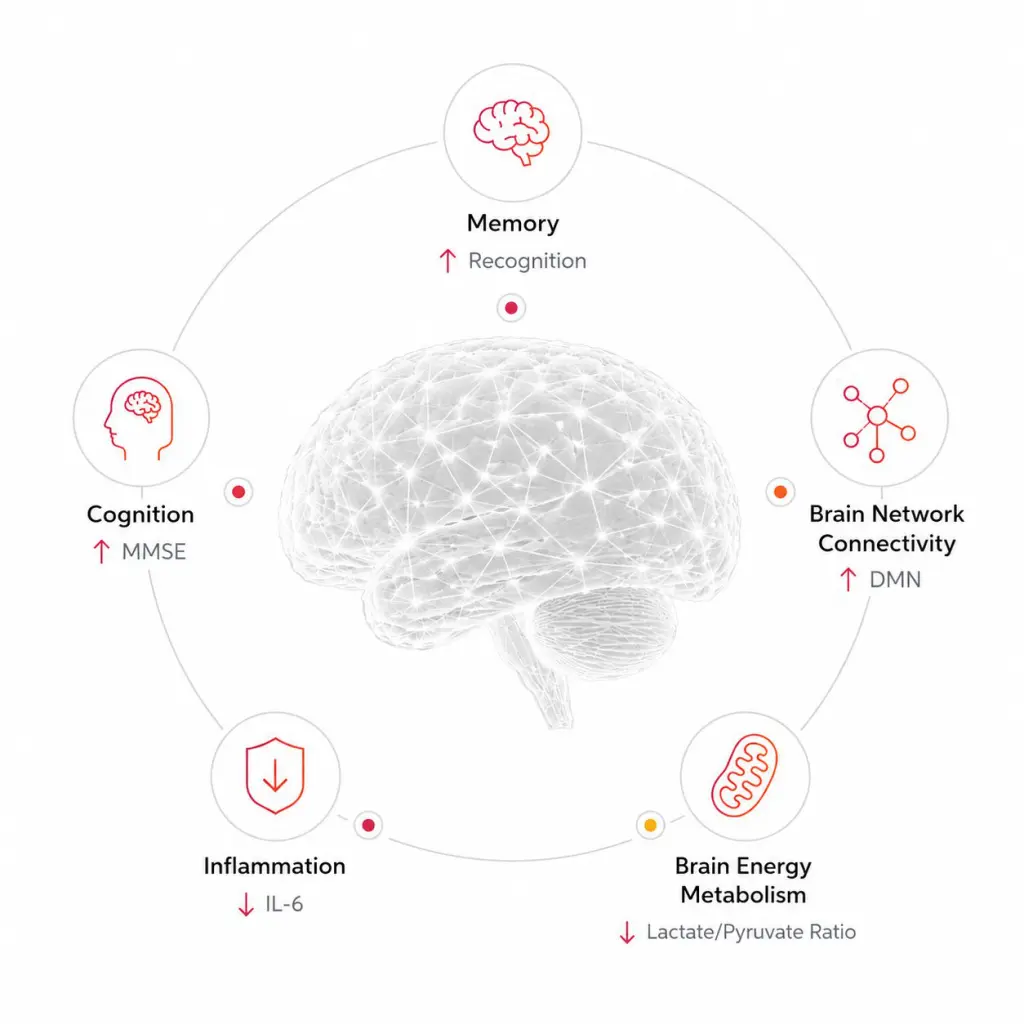
This 2026 clinical study used the Vielight Neuro device. Published in the Journal of Alzheimer’s Disease, the study investigated the effects of light therapy using a Vielight Neuro device on adults with mild cognitive impairment. This is the critical stage when memory and thinking measurably slip before day-to-day independence is lost.
Method: The 2026 study involved 20 subjects using a Vielight Neuro device over six weeks. Researchers tracked cognition, blood metabolism, and brain imaging.
Key Findings:
Memory and cognition: Significant gains in episodic recognition memory and global cognition, while the sham group declined.
Brain energy and inflammation: A favorable shift toward efficient mitochondrial energy production.
I am still having chronic anxiety and bouts of depression due to PD. Also feeling of hopelessness that I will never get better just worse hoping my condition isn’t beyond repair.
I have emailed you before and so I’m in the process of doing various therapies to help my recovery but I would still like to purchase “7 Secrets to Healing” and “Five Steps to Recovery” but not sure which one I should read first.
Also, I would like to know if you do individual counseling sessions. I don’t have a lot of family here to accompany me so I’m kind of on my own.
Thanks,
Jeannette
Hi Jeannette:
You are wise to focus you recovery program on transforming the troubling challenge of chronic anxiety which is directly connected to symptoms. I have developed an online course that introduces a variety of options documented by research that shut down anxiety. A surprising number of the most successful strategies are free. Visit Shut Down Anxiety for more information and to register.
Given your current situation, you might start with diving into Seven Secrets to Healingwhich reveal the core issues in healing. Five Steps to Recovery explains how to transform thoughts that are not in our best and highest good. We manifest what we think. Information in both books help regenerate and rejuvenate your journey down the road to recovery.
My Jump Start to Recovery Online Course offers 24 hours of access on options that help reverse the symptoms associated with a diagnosis of Parkinson’s using natural therapies and approaches. This is a resource which has proved extremely helpful to the students who have enrolled.
I have been offering this year intensive, ongoing consultations for a number of individuals in my audience with marvelous success. Many have been successful in reducing the intensity of chronic anxiety and anxiety attacks.
Here is the scoop to learn more: Manifest Recovery Now. Enter the coupon code success to claim a 50% discount which reduces to cost of hour long individual sessions with me to $50.
I would be honored to provide the ongoing support you need now.
Many of you have been frustrated with sorting through the over 120 natural therapies I have documented that offer the opportunity to get well. What therapies manifest your recovery? Which are the right ones to celebrate a reversal of symptoms? Therapies that are perfect for someone else may not help you at all!
I will be honored to help you pinpoint what therapies manifest your recovery and can offer the best opportunity to get well given your personal history and circumstances. We will connect for an hour every two weeks to make adjustments to your recovery program as needed.
We will figure out together what therapies are supporting your recovery and which ones are not helpful. Visit the link below for more information.
OK. Why do recovery programs fail? What is the major obstacle to recovery from Parkinsons disease or any chronic condition for that matter? Is it that:
The condition is destined to be progressive?
The wrong choice of therapies are pursued?
The dosage of medications or supplements causes horrible side effects?
These of course can all be roadblocks to recovery, but what is the major obstacle to recovery from Parkinsons? My answer will likely surprise you. The major obstacle to recovery from Parkinsons is to abandon a program of recovery too soon.
When the body has activated authentic healing it is rare to feel better. Rather, it is more likely you will feel worse. Why? The release of toxins and traumas are not “feel good” experiences. When the body is detoxing, you will most likely feel tired, unmotivated and even depressed. A successful journey down the road to recovery is rocky with jumps and starts along the way.
Authentic healing requires a heavy dose of patience and persistence. Once you decide on a therapy to embrace and are convinced it will help, give it a chance to manifest.
Researchers have only recently recognized the central role redox signaling plays to support the health of humans, plants and animals. It is the boost needed to reverse illness and sustain health.
Redox signaling supports the ability of cells to respond appropriately to environmental stimuli. When each cell acts independently of other cells, its ability to avert illness and disease is compromised. Redox cell signaling activates communication among cells to support the body’s ability to reverse illness and sustain wellness.
Studies report that redox cell signaling …
Does no harm
Contains no toxins
Wakes up sleepy cells
Helps un-poison the body
Activates a natural process of healing
Has anti-viral properties
Addresses bacterial infections
Facilitates the production of glutathione by the body
Reduces reactions to chronic stress
When confronted with neurological challenges, the allostatic load becomes too great for the body to perform the functions of toxic elimination. All of the body’s elimination organs (eg: liver, kidneys, colon, skin) are confronted with getting rid of more toxins than can be processed out of the body at any given time. The problem is analogous to when a dam overflows.
As the body becomes less able to eliminate the toxins that have accumulated the overflow overwhelms the body’s ability to function. This compromises the natural ability of the body to rejuvenate and regenerate. With Parkinsons, the allostatic load becomes too overwhelming for the body to perform the functions of elimination and renewal.
Redox signaling helps reduce an allostatic load that has maxed out.
Researchers are clearly enthused about the prospects for redox signaling molecules. A search on the Pubmed.gov research platform lists 7,262 studies that have been published when searching the terms “redox signaling molecules”. The explosive interest in this topic indicates it merits serious consideration.
Chin Med J (Engl). 2026 Mar 5;139(5):653–671. Role of LRRK2 in physiological activities, diseases, and therapy
Abstract
Leucine-rich repeat kinase 2 (LRRK2) is a critical target for the treatment of Parkinson’s disease (PD) and potentially other diseases. LRRK2 is involved in intracellular signaling, immune response, and inflammation, with key roles in both the central nervous system and peripheral tissues.
LRRK2 mutations are linked to cellular dysfunction including mitochondrial and neuronal damage and can disrupt signaling pathway balance, thereby contributing to PD and other disorders