

You have likely heard recommendations to eat lots of leafy green vegetables like spinach and asparagus. There is a rational explanation for this often repeated recommendation. Folate metabolism is particularly problematic for persons experiencing Parkinson’s symptoms.
You will know if folate metabolism is a problem if you are unusually fatigued and tired all the time. One reason can be an iron deficiency. Another common reason for persons with Parkinsons is an issue with folate metabolism.
Folate Functions
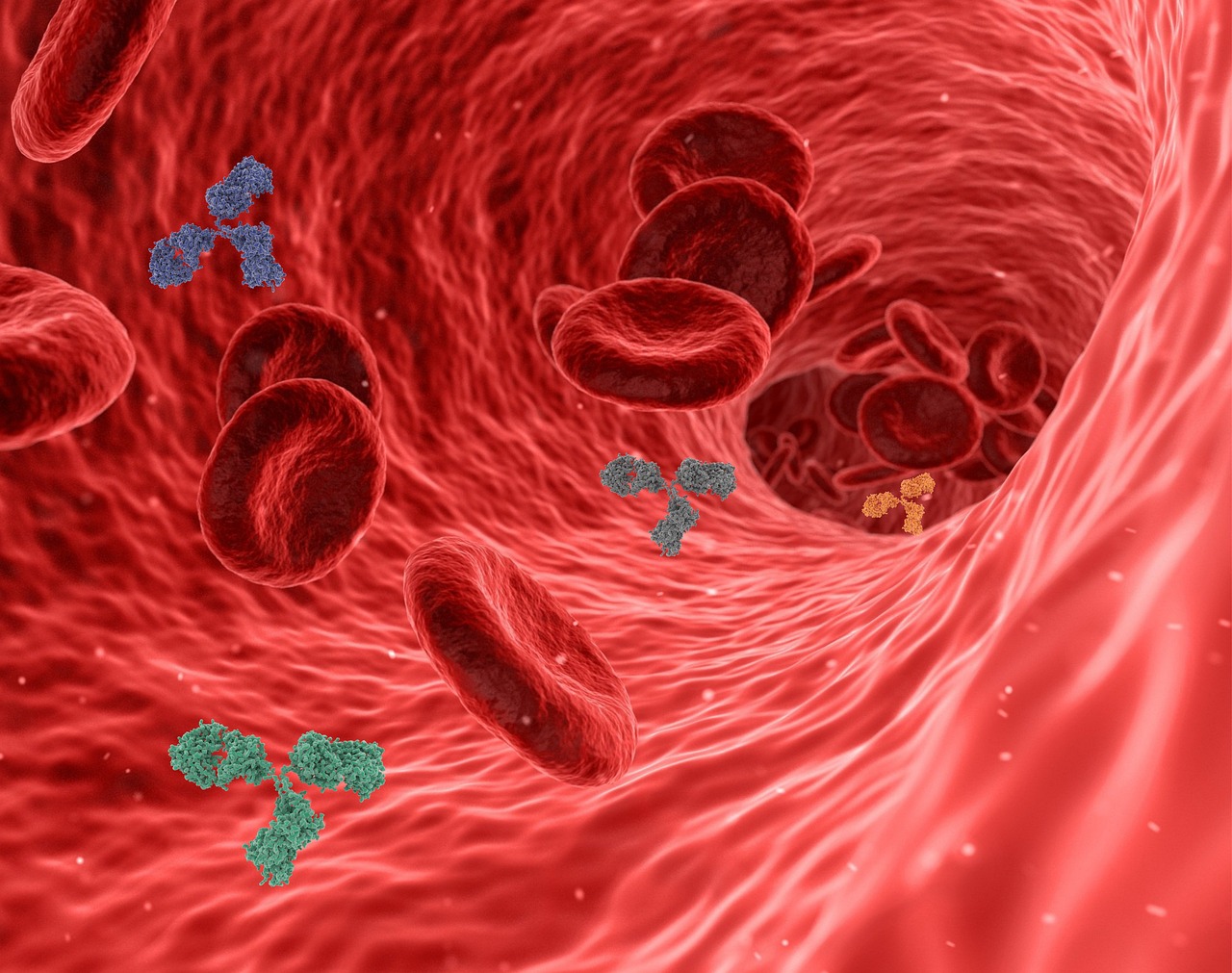
Folate (Vitamin B9) facilitates the synthesis of DNA, supports the healthy division of cells and produces red blood cells. Most importantly when it comes to Parkinson’s symptoms folate plays a central role in supporting brain health and preventing dementia.
There is a downside to folate. It exhausts availability of vitamin B12 in the body. This creates a shortage that is problematic for individuals with Parkinsons. Certain medications can cause a depletion vitamin B12. Combined with the fact that folate uses up B12 – you have a double whammy. Depletion of B12 for persons who confront neurological challenges can be extreme.
What is the big deal about a vitamin B12 deficiency? B12 plays a surprising number of essential functions in the body. It …
- Facilitates production of red blood cells
- Nourishes nerves
- Regenerates neural pathways
- Converts food into energy
- Reduces fatigue
- Regulates mood
- Lowes homocysteine levels
- Supports the cardiovascular system
Given the benefits of B12 above, deficiencies can result in a variety of troubling symptoms including …
- Difficulty walking
- Unsteadiness when walking
- Brain fog
- Poor concentration
- Numbness in the extremeties
- Digestive problems
- Shortness of breath
And this is not even the complete list.
Summary. Folate plays an important role in supporting essential functions in the body. Eating foods that have a high folate content is advisable with the caveat that supplementation of B12 will likely also be recommended by your doctor.
Research on Folate Metabolism and Parkinsons
Curr Nutr Rep. 2026 Apr 27;15(1):40. Role of Folate Metabolism in Neurodegenerative Diseases: Insight from Experimental and Clinical Studies
Abstract
Purpose of Review: Folate is a key regulator of one-carbon metabolism (OCM), which supports essential physiological processes, including DNA synthesis, repair, methylation, amino acid homeostasis, and redox balance. It is also crucial for brain health throughout life, from neural tube formation during early development to neurotransmitter synthesis, myelination, neuronal development, synaptic plasticity and cognitive function during later stages of life. Disruption of folate-mediated OCM (FOCM) can adversely affect brain health and contribute to neurodegeneration.
In this review, we summarize current evidence linking FOCM dysregulation to neurodegenerative diseases, emphasizing disease-specific mechanisms and the therapeutic potential of modulating folate metabolism, as evidenced by experimental and clinical studies.
Recent Findings: Disruption of FOCM can lead to oxidative stress, impaired methylation, excitotoxicity, and neuroinflammation, thereby contributing to neurodegenerative diseases. In Alzheimer’s disease, impaired FOCM promotes amyloid accumulation, tau pathology, cognitive decline, and vascular dysfunction, consistent with low folate and elevated homocysteine observed clinically, though supplementation outcomes remain mixed.
In Parkinson’s disease, folate deficiency and hyperhomocysteinemia exacerbate motor deficits and dopaminergic neurodegeneration via oxidative stress, mitochondrial dysfunction, and NLRP3-mediated inflammation and combined folate and vitamin B12 supplementation may reduce levodopa-associated risks.
Summary: Overall, maintaining optimal folate levels may be a promising strategy to support brain health and reduce the risk of neurodegenerative disorders.


Leave a Reply