Category: Parkinsons Disease Information(Page 4 of 16)
Access 20 years of research focused on identifying natural approaches, therapies and treatments that offer the opportunity to celebrate relief from the symptoms associated with a diagnosis of Parkinsons disease.
Recent studies have documented a connection between insulin resistance and Parkinsons. Exercise is the best treatment for Parkinsons because in large part it has a direct and profound impact on ability of the body to process sugars.
Muscles play a leading role in glucose uptake which which is why exercise is one of the most effective ways to improve the management of blood sugars in the body. Exercising muscles increases glucose utilization and improves insulin sensitivity. This makes it possible for the body to regulate blood sugar more efficiently and effectively.
An isolated exercise session temporarily improves glucose utilization. Regular exercise leads to lasting improvements in the ability of the body to assimilate and process sugars which is why exercise is the best treatment for Parkinsons.
Why do I say best here? Annual Parkinsons Recovery® surveys reveal that the therapy most frequently listed as beneficial for celebrating relief from Parkinsons symptoms is – you guessed it – exercise.
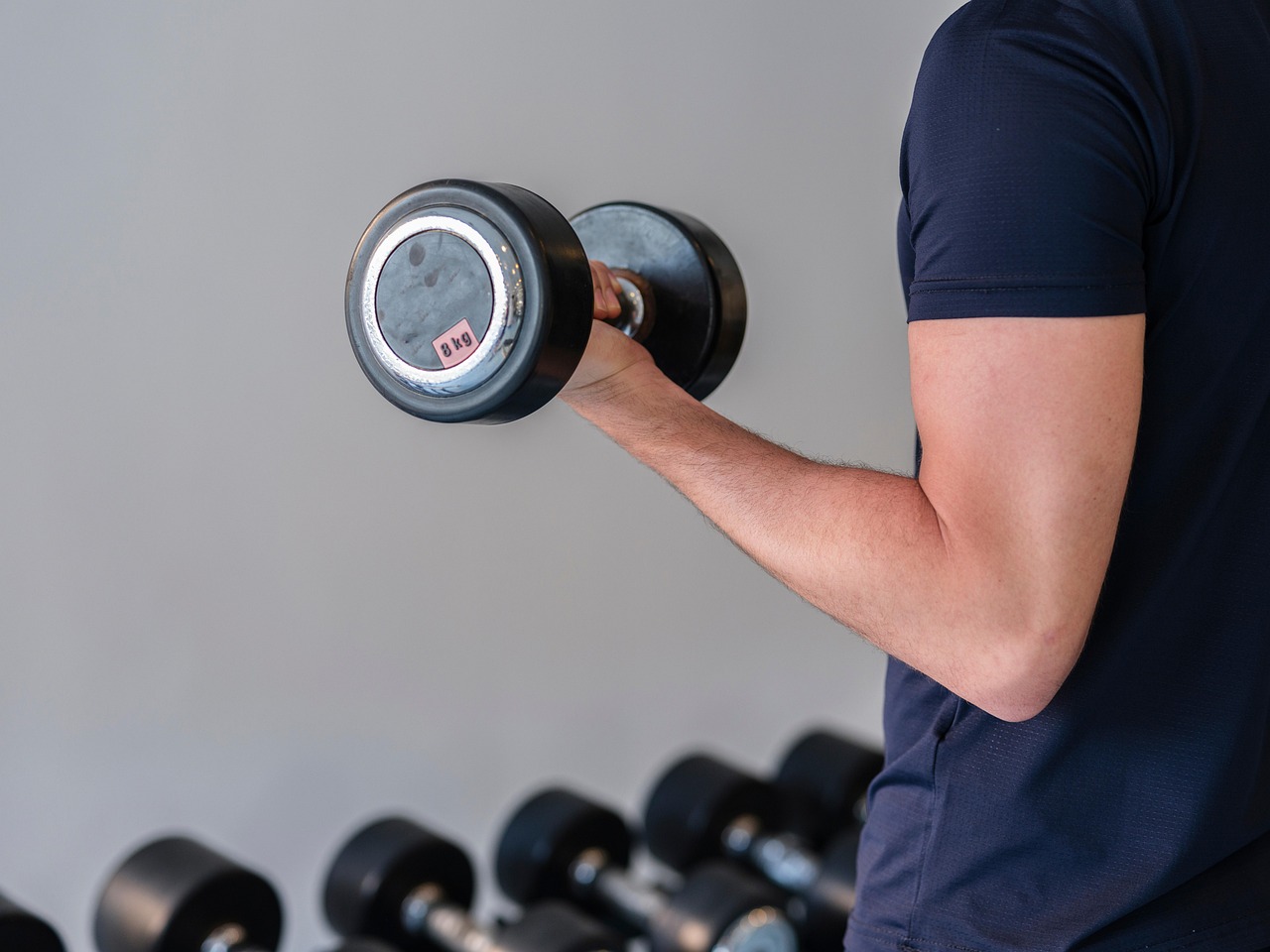
Aerobic exercise improves glucose regulation. Weight lifting and resistance exercise improves the strength of muscles and the capacity of the body to store sugars. Adding both types of exercise to exercise routines would thus be particularly beneficial.
Robert Rodgers PhD Founder 2004 Parkinsons Recovery® robert@parkinsonsrecovery.com
Have been struggling with the ups and downs of recovery? Has your success been terribly frustrating? Check out John Colemans remarkable story of recovery from Parkinsons.
If so, you are not alone. Naturopath John Coleman ND from Australia offers an honest account of his journey down the road to recovery which took 3 1/2 years. He is symptom free today. This truly is a remarkable story of recovery from Parkinsons.
John refers to two therapies in particular that were especially helpful to his recovery: Bowen Therapy and the Aquas. More information is provided for each in the links below:
My invitation for you this week is to sign and post a declaration of independence for Parkinsons. Many people (myself included) have throughout much of our life looked outside of our inner wisdom for answers. We have referred to the experts, persons in white coats or fancy suits or dresses, individuals with fancy initials beside their name, initials like PhD, MD, ND … You can list for yourself the assortment of initials that you have seen listed beside people’s names who you have sought consultations from. My own list fills up two sheets of paper.
Because power was acceded to others, we, you, I and many others gave up our own sense of independence, our own ability to make decisions that are in our best and highest good.
Loss of control is the underlying frustration that underpins symptoms of Parkinson’s. The secret to recovery is to take control back. And why wait? Do it now.
Clearly it makes good sense to seek out advice from the experts. To see what people recommend is often a wise and smart course of action. Yet many of us, and I say again myself included, have many times wanted someone else to fix us, to make it all right. In so doing, we acceded our power, our inner wisdom and our ability to know what is right for us.
It is one thing to say that the body knows how to heal itself. That is certainly a mindful statement. It is also one thing to be sensitive to the signals that our body sends to us.
Yet, it is also easy to slip out of that mindful space and to seek relief without checking in with our bodies; without asking whether or not this is in fact what our body truly needs in order to come back into balance and harmony.
Your body, my body, any body contains limitless wisdom. We have the power and the ability to know what is in our best interest. Becoming mindful of that wisdom is the key to recovery. Our body is the one and only resource that knows what is best for us.
Declaration of Independence for Parkinsons
I invite you on this day and this hour to print out the declaration of independence below, sign it, then post it on your refrigerator or your bathroom mirror. Read the declaration out loud to yourself for 21 days. If you happen to neglect to read the statement, start the count of 21 days all over again. It is time to honor the body’s ability to heal from the inside out.
In the beginning, one cell was formed inside the womb of my mother that captured the wisdom of all that I am today. The wisdom of one is 10 billion times seven fold today as I am equipped today with a mind to organize my thoughts, a heart to evaluate them and a voice to express them.
At this time and this hour I declare my mind, heart and voice to be independent of any and all control over the health and well being of my body.
I acknowledge the miracle of life itself.
I celebrate the ability of my body to rejuvenate despite any and all limitations I currently experience.
I see limitless possibilities to manifest any and all of my dreams.
I cast off any and all limitations for recovery I have imposed on myself and imposed by others.
I assert the independent responsibility to decide what actions are in my best and highest good.
I acknowledge that the conditions which foster imbalances in my body are complex and multi-faceted.
On this day I ask for and openly receive healing.
I pledge from this day forward to listen to the wisdom of my body.
I commit to take any and all actions that are needed and necessary to bring my body back into balance.
I welcome the opportunity to transform bad habits that have been making me ill.
I refute the oppressive and dehumanizing claims that recovery is not possible.
I accept and welcome full responsibility for the health and wellness of my body.
I acknowledge that a therapy or treatment that helps one person may not necessarily be helpful to others or myself.
I commit to continue my journey down the road to recovery with the intention to persevere despite any and all setbacks and challenges I encounter along the way.
By affixing my signature below, I join with others who honor the power of the body to heal itself as I restore, rejuvenate and regenerate the inner wisdom of my body to heal itself.
Exercise is a proven way of helping people with Parkinsons reverse their symptoms. Yoga for Parkinsons is one way of exercising that has proven extremely helpful for many.
Some people confronting problematic symptoms think yoga is reserved for athletic types. A dedicated group of individuals with Parkinson’s have found a program tailored to people of all levels practice yoga on a regular basis.
Yoga for Parkinsons Testimonials
Three members of the Yoga for People with Parkinson’s classes in Seattle, Washington tell their stories about how yoga has provided them with remarkable relief from their symptoms.
Is yoga a therapy that is right for you? Listen to these incredible student testimonials and decide for yourself. Yoga is a time-tested, natural therapy and if practiced on a regular basis you can expect often dramatic improvements in flexibility, strength, balance and peace of mind. That formula is hard to beat.
Many products sold in grocery stores list “natural flavors” as one of the ingredients. I certainly applaud any ingredient that is natural. but are natural flavors really natural?
Natural Flavor Ingredients
While the source of “natural flavors” must be natural from plant or animals, the final flavoring mixture usually consists of 80% or more “incidental” additives. These can include:
Chemical Solvents
Preservatives
Emulsifiers
Chemicals added to enhance flavor
Carriers like propylene glycol which has been connected to kidney and central nervous system problems
Food manufacturers are not required to list incidental additives on the food’s ingredient panel. They are come under the umbrella of a “natural flavor”. The term in food labels of packaged foods can include a variety of both foods and chemicals. A single natural flavor listing in a product can contain a shocking number of chemical additives.
Summary: As long as the primary flavoring source derives from plant or animal material, the entire mixture can be labeled simply as a “natural flavor.” In some cases the additives will do not harm. In others they will. I personally do not buy any food products that include a “natural flavor” in the ingredient listing.
Many people who experience symptoms of Parkinsons Disease engage an aggressive search for ways to reverse them. Secrets to healing are somewhere “out there” in the universe.
The belief is that most of the good answers are difficult to find. The journey for the right answers is much like a treasure hunt for a treasure that is buried in a secret vault – a Fort Knox of sorts that locks up all the answers for reversing Parkinson’s symptoms.
Sometimes the journey involves finding one solution after another. When one solution fails to produce desired results, a new solution or therapy is pursued. Some people chase after dozens of therapies. Results are often disappointing time and time again. The search for answers “out there” is exhausting!
Research can and does make a difference. Being better informed can and does make a difference to recovery. That is why I maintain the massive body of resources on options for recovery on the many Parkinsons Recovery websites I maintain.
There is a downside to a search “out there” somewhere for answers. It activates a continuous infusion of adrenaline. Adrenaline rushes are stimulating. They energize the body into action. The downside to adrenaline rushes is that the body has no energy or resources to produce dopamine. What is needed to reverse symptoms is to maintain a delicate balance of dopamine and adrenaline.
Recovery is Always Moving Toward You
There is a companion approach to a search for answers that offers the promise of marvelous results. Think about recovery as an opportunity that is always moving toward you. It is not something you have to discover by searching long and hard in places far away.
One of the seven secrets to healing a chronic illness like Parkinson’s disease is to listen to the messages your body is always trying to communicate to you. The body has a memory of the perfect state of wellness and health. Disease is not the body’s natural state. Health is. the body is always striving to reverse any disease process that causes neurological symptoms.
Your body is giving you important information every day. Perhaps your intuition tells you to stop dying your hair or stop using a particular shampoo or stop using laundry detergent that is toxic. Perhaps you always tend to discount the instincts about recovery that you get every day. When you begin to trust these instincts you may marvel at how much better you begin to feel.
Finding natural ways to die your hair is not a solution that is “out there.” It is right here!
Finding a natural shampoo without toxins is not a mysterious solution that is “out there” somewhere. It is right here!
Changing your laundry detergent is not a task that can be performed only by a rocket scientist.
You can do it – right now.
The reality is that recovery is staring you in the face every day. Your job is simple. Pay attention. Act on any and all intuitions that you get when you listen to your body.
The body has all the resources it needs to maintain the delicate balance of adrenaline and dopamine. You usually have to make some life style changes to give the body the support it needs. When the body has the resources it needs to maintain balance, symptoms will melt like an ice cream cone on a hot summer day.
The answers have been staring you in the face all along. They are not “out there.” They have always been moving toward you.
This is a detailed report from responses provided by persons with Parkinson’s symptoms who responded to the 2024 Parkinsons Recovery Survey. The two minute survey asks two questions.
First, how have respondents been feeling since the previous holiday season one year ago (better, same, worse)
Second, what therapies have offered them symptom relief.
Listen to my reading of responses that reveal a huge range of therapies, methods and activities that offer symptom relief.
Bottom line: Many people believe that all persons diagnosed with Parkinson’s disease are destined to degenerate over time. As with the results of previous years, findings from 2024 soundly refute this false belief.
Research studies report that a NAD Supplement for Parkinsons can be beneficial. NAD stands for Nicotinamide Adenine Dinucleotide. Studies find that taking a NAD supplement facilitates a more effective detoxification process when compared to conventional methods. By replenishing the body’s NAD levels, toxins are flushed out and brain functions are restored.
The NAD supplement for Parkinsons …
Promotes cellular repair
Supports neuroplasticity
Improves overall functionality of the brain
Enhances memory
Sharpens concentration
Research on NAD Supplement for Parkinsons
Trends Endocrinol Metab. 2025 Dec;36(12):1072-1083. NAD augmentation as a disease-modifying strategy for neurodegeneration
Abstract
Neurodegenerative diseases (NDDs) pose a significant and rapidly growing global health challenge, but there are no effective therapies to delay or halt progression.
In recent years augmentation of nicotinamide adenine dinucleotide (NAD) has emerged as a promising disease-modifying strategy that targets multiple key disease pathways across multiple NDDs, such as mitochondrial dysfunction, energy deficits, proteostasis, and neuroinflammation.
Several early clinical trials of NAD augmentation have been completed, and many more are currently underway, reflecting the growing optimism and urgency within the field. We discuss the rationale and evolving therapeutic landscape of NAD augmentation.
******
Am J Physiol Endocrinol Metab. 2024 Apr 1;326(4):E417-E427. Evaluation of safety and effectiveness of NAD in different clinical conditions: a systematic review
Abstract
Nicotinamide adenine dinucleotide (NAD+) is an essential pyridine nucleotide cofactor that is present in cells and in several important biological processes, including oxidative phosphorylation and production of adenosine triphosphate, DNA repair, calcium-dependent secondary messenger and gene expression.
The purpose of this systematic review is to examine whether the coenzyme formulae NAD+ and NADH are safe and effective when acting as a supplement to humans. This systematic review of randomized clinical trials performed a search in six electronic databases: PubMed, MEDLINE (ovid), Embase, Cochrane CENTRAL (clinical trials), Web of Science, and Scopus. Secondary search included the databases (e.g., Clinical trials.gov, Rebec, Google Scholar – advance). Two reviewers assessed and extracted the studies independently. The risk of bias in studies was performed using version 2 of the Cochrane risk of bias tool for randomized trials. This review includes 10 studies, with a total of 489 participants. The studies included different clinical conditions, such as chronic fatigue syndrome (CFS), older adults, Parkinson’s disease, overweight, postmenopausal prediabetes, and Alzheimer’s disease.
Based on studies, the supplementation with NADH and precursors was well tolerated and observed clinical results such as, a decrease in anxiety conditions and maximum heart rate was observed after a stress test, increased muscle insulin sensitivity, insulin signaling. Quality of life, fatigue intensity, and sleep quality among others were evaluated on patients with CFS. All studies showed some side effects, thus, the most common associated with NADs use are muscle pain, nervous disorders, fatigue, sleep disturbance, and headaches. All adverse events cataloged by the studies did not present a serious risk to the health of the participants.
Overall, these findings support that the oral administration of NADH can be associated to an increase in general quality of life and improvement on health parameters (e.g., a decrease in anxiety, maximum heart rate, inflammatory cytokines in serum, and cerebrospinal fluid). NADH supplementation is safe and has a low incidence of side effects.
In a study published in 2026 posted below, we have still more evidence for the benefits of exercise for individuals experiencing the neurological challenges of Parkinsons. Results of this study found that an eight-week aerobic resistance training program improved tremor and walking endurance in patients with Parkinson’s symptoms.
NeuroRehabilitation. 2026 Apr 10:10538135261434253. Effects of an 8-Week Combined Aerobic Resistance Training on Motor Function, Functional Mobility, and Metabolic Parameters in Patients with Parkinson’s Disease: A Controlled Study
Abstract
Exercise is increasingly recognized as a key component of Parkinson’s disease (PD) management, but data on short-term combined aerobic-resistance training (ART) on motor and metabolic parameters remain limited.
In this controlled study, 28 patients with PD (median Hoehn & Yahr stage= 2, IQR 1.75-2.0) were allocated to an 8-week supervised aerobic-resistance training ART group (n= 19) or a stretching-only control group (n = 9). Training consisted of two 45-minute sessions weekly. Primary outcomes were MDS-UPDRS-III, Sit-to-Stand Test (STS), and Six-Minute Walk Test (6MWT).
Fasting laboratory parameters were exploratory given the small sample size and absence of an a priori power analysis. Between-group post-intervention differences were analyzed using ANCOVA (baseline as covariate); exploratory biochemical outcomes were controlled for multiple comparisons using Benjamini-Hochberg false discovery rate (FDR).
ART improved the MDS-UPDRS-III tremor subscore (p = 0.004) and6MWT distance (p = 0.003), with no significant effects on other motor or functional outcomes. In exploratory laboratory analyses, unadjusted between-group differences were observed for HDL cholesterol (p =0.014), vitamin D3 (p = 0.003), TSH (p = 0.042), and homocysteine (p =0.019); after FDR correction, only vitamin D3 remained significant (qFDR= 0.039). Total cholesterol, LDL, and VLDL showed non-significant decreases.
An eight-week ART program improved tremor and walking endurance inpatients with PD, while other motor outcomes remained unchanged. Exploratory changes in selected biochemical markers were detected (including a decrease in vitamin D3).
Twenty years of research and interviews with persons diagnosed with Parkinsons have unearthed a rich set of natural therapies to reverse symptoms. These discoveries are documented in my book Road to Recovery from Parkinsons Disease 2026.
This 2026 book includes the therapies and methods that have enabled others with Parkinsons to celebrate a successful journey down the road to recovery.
Just released for the price of one mocha cafe a week … everything you need to know about the causes of Parkinsons and heir treatments to manifest a successful recovery from Parkinsonsin 2026
* A new audiobook clip posted every day * Comprehensive review of causes * Coverage of therapies to treat specific causes * Overview of how successful recoveries are manifested * Proven formulas for success * Daily support that transform negative thoughts into positive ones * Cutting edge therapies that are transforming recovery in 2025 * Low monthly tuition during these challenging economic times. * Cancel anytime.
Daily recordings report what founder of Parkinsons Recovery Robert Rodgers PhD has discovered over two decades of research exclusively focused on Parkinsons. Visit the link below to learn more and register.
Two L-dopa sources for Parkinson’s disease dopamine are the prescription medication Sinemet and the over the counter supplement Mucuna. Compounding Pharmacist Randy Mentzer answers the following question:
“Can both be taken and if so can there be unwanted side effects?”
Treatment of Parkinson’s disease symptoms often involves taking medications aimed at increasing Parkinson’s disease dopamine levels in the body. Among the various treatment options, Sinemet (a combination of levodopa and carbidopa) is prescribed by doctors to help alleviate motor symptoms by replenishing dopamine.
Patients and practitioners sometimes add mucuna pruriens, a natural supplement, to the treatment regimen. While mucuna does not require a prescription from a doctor it is, like Sinemet, a medicine that contains L-dopa. The body converts the L-dopa to dopamine.
Understanding Sinemet
Sinemet is a prescribed medication for Parkinson’s disease that combines two drugs:
Levodopa: This precursor to dopamine is converted into the neurotransmitter dopamine in the brain, which is crucial for regulating movement and coordination.
Carbidopa: This component prevents levodopa from being converted into dopamine before it reaches the brain, which helps to maximize the effectiveness of levodopa and reduce side effects like nausea.
While Sinemet is effective, its impact usually diminishes over time. Patients usually need to take higher and higher doses to achieve the desired result.
Enter Mucuna Pruriens
Mucuna pruriens, often referred to as velvet bean, is a natural source of levodopa. It’s been used in traditional medicine for centuries and is now gaining attention in the context of Parkinson’s disease treatment. The beans of the mucuna plant contain L-dopa, the same compound found in Sinemet.
Potential Benefits of Combining Mucuna with Sinemet for Parkinson’s Disease Dopamine
Enhanced Dopamine Levels: Since mucuna contains l-dopa, it may potentially boost dopamine levels in the brain, complementing the effects of Sinemet. Some studies suggest that mucuna could offer a more rapid or sustained increase in dopamine levels compared to synthetic levodopa.
Reduced Motor Fluctuations: Mucuna might help in smoothing out the “on-off” fluctuations experienced by some Parkinson’s patients on Sinemet alone. The natural levodopa in mucuna might work more consistently to help manage symptoms throughout the day.
Possible Reduction in Side Effects: Some users report fewer side effects with mucuna compared to synthetic levodopa preparations. This could be due to the natural formulation of mucuna.
Considerations and Risks
Lack of Standardization: Unlike prescription medications, the potency and purity of mucuna supplements can vary widely. This lack of standardization means that the exact dose of levodopa can be unpredictable.
Drug Interactions: Mucuna may interact with Sinemet, potentially altering the effectiveness of either medication. It’s crucial to monitor any changes in symptoms and adjust dosages under medical supervision.
Side Effects: While mucuna might have fewer side effects for some, it’s not without risks. Potential side effects include dyskinesia (the side effect Randy mentions in his answer to the question posed to him above), nausea, dizziness, or digestive issues. Always discuss these possibilities with your healthcare provider.
Practical Tips for Combining Mucuna with Sinemet
Consult Your Doctor: Before introducing mucuna into your regimen, have a thorough discussion with your neurologist or primary care physician. They can provide personalized advice based on your specific condition and treatment goals.
Now here is something interesting to do, especially if you ever wondered what your voice says about you. But first – what is voice profiling?
Sound Health has discovered that the frequencies contained in the voice are holographic representations of your state of health and wellness. Every muscle, compound, process and structure of the body has a Frequency Equivalent™ that can be mathematically calculated. It is our belief that people with similar trauma, illnesses, syndromes, psychologies, diseases, toxins… have similar, if not identical, vocal anomalies.
You can obtain an analysis of your voice profile which is available on the Sound Health Portal for free. Here is the link to get a free analysis of your voice.
Once you land on the Nano Voice page above, click Start. Then, talk in a normal voice without pauses for 90 seconds. An analysis of the frequencies emitted by your voice will be instantly provided.
Once you generate your first overview report, you can restart Nano voice and talk a second time for 90 seconds to generate a follow-up report. I talked for 90 seconds three times back to back. The three reports of my personality were all very similar. I must report they also described me to a tea.
Why bother?
It is free
It takes only 5 minutes
The instant report that is generated is fascinating
This short activity will convince you to take analysis of voice profiles seriously. Healing through sound (and light) is the medicine of the future
Homocystene is an amino acid that circulates in the blood. It is produced when the body breaks down protein. Low homocysteine levels are considered healthy. Elevated levels are problematic for a number of reasons. High levels …
Are a marker of inflammation
Cause dementia
Can cause strokes
Damage artery walls
Increase blood clot risks
Compromise the cardiovascular system.
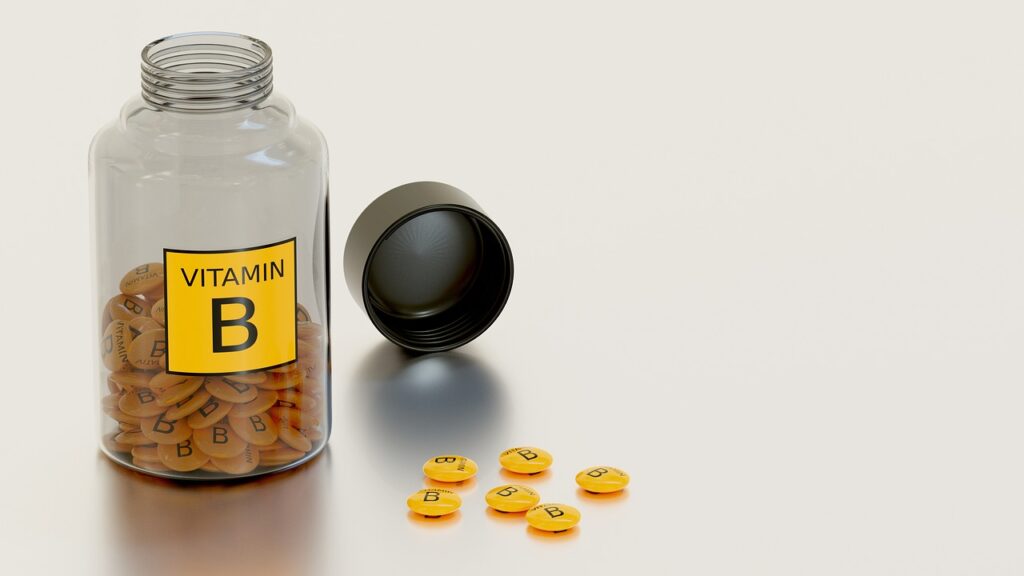
A reason homocysteine levels can be too high in the case of Parkinsons is that certain medicines delete vitamins B6, B12 and folic acid (vitamin B9). How do you reduce unusually high levels of homocysteine? Increase the intake of vitamins B6, B12 and folic acid – the ones that just happen already to be chronically deficient.
Supplements of course can be taken to supplement low levels of B vitamins. Alternatively, certain foods boost the level of B vitamins. The following foods are rich in vitamins B6, B12 and folic acid:
Spinach
Beef liver
Chicken liver
Chickpeas
Sunflower seeds
Wild salmon
Eggs
Clams
Oysters
Sardines
Lentils
Research on Homocysteine Levels and Parkinsons
Heliyon. 2024 Nov 6;10(21):e40191. Association analyses of nutritional markers with Parkinson’s disease and Alzheimer’s disease
Abstract
Introduction: Parkinson’s disease (PD) and Alzheimer’s disease (AD) are common neurodegenerative diseases with multifaceted etiology. Nutritional and metabolic abnormalities are frequently implicated in PD and AD. In this observational study, we analyzed a series of nutritional markers, and aimed to understand their association with AD and PD risk.
Methods: A total of 424 PD patients, 314 AD patients, and 388 healthy controls were included. Nutritional markers including Hemoglobin A1c, vitamin B12, folate, apolipoprotein B (ApoB), apolipoprotein A1 (ApoA1), low-density lipoprotein (LDL), high-density lipoprotein, triglyceride, total cholesterol (TC), uric acid and homocysteine (HCY) were measured. Significance for odds ratios examining was P < 0.0045 after bonferroni correction.
Results: Multifactor risk analysis showed that ApoB, LDL, and TC reduce PD risk, while homocysteine HCY increase PD risk. ApoA1 and HCY are protective and risk factors for AD, respectively.
Conclusion: The cross-sectional study demonstrates that HCY and lipid metabolism markers are associated with PD and AD risks. Our findings support the involvement of one-carbon metabolism and lipid metabolism disturbance in PD and AD.
Nutrients. 2025 Apr 11;17(8):1325. Homocysteine, Nutrition, and Gut Microbiota: A Comprehensive Review of Current Evidence and Insight
Abstract
Homocysteine, a sulfur-containing amino acid, is an intermediate product during the metabolism of methionine, a vital amino acid. An elevated concentration of homocysteine in the plasma, named hyperhomocysteinemia, has been significantly related to the onset of several diseases, including diabetes, multiple sclerosis, osteoporosis, cancer, and neurodegenerative disorders such as dementia, Alzheimer’s and Parkinson’s diseases.
An interaction between metabolic pathways of homocysteine and gut microbiota has been reported, and specific microbial signatures have been found in individuals experiencing hyperhomocysteinemia.
Furthermore, some evidence suggests that gut microbial modulation may exert an influence on homocysteine levels and related disease progression. Conventional approaches for managing hyperhomocysteinemia typically involve dietary interventions alongside the administration of supplements such as B vitamins and betaine.
The present review aims to synthesize recent advancements in understanding interventions targeted at mitigating hyperhomocysteinemia, with a particular emphasis on the role of gut microbiota in these strategies. The emerging therapeutic potential of gut microbiota has been reported for several diseases.
******
.Acta Neurol Belg. 2025 Apr;125(2):435-444. Diagnostic values of serum levels of ?-synuclein, homocysteine and leucine-rich ?2 glycoprotein for predicting cognitive impairment in Parkinson’s diseas
Abstract
Background: ?-synuclein, homocysteine (Hcy) and leucine-rich ?2-glycoprotein (LRG) have been shown to correlate to Parkinson’s disease (PD). However, it remains unclear whether these factors are associated with the occurrence of cognitive impairment (CI) in PD patients.
Methods: This study initially enrolled eligible PD patients without cognitive impairment. Blood samples were collected to measure serum levels of ?-synuclein, Hcy, and LRG using enzyme-linked immunosorbent assay. After one year of treatment, patients were divided into CI group and non-CI groups based on their Montreal Cognitive Assessment (MoCA) scores. Baseline clinical characteristics and the levels of these three factors were compared between the two groups. Additionally, Receiver Operating Characteristic (ROC) analysis was used to assess the predictive value of these factors for the occurrence of CI in PD patients.
Results: The study included 102 eligible PD patients without baseline CI, divided into 65 patients in the non-CI group and 37 patients in the CI group after one year, based on the MoCA scores. Serum levels of ?-synuclein, Hcy, and LRG in the CI group were 0.42 ± 0.33 ng/mL, 19.85 ± 6.31 µmol/L, and 14.53 ± 5.11 ng/mL respectively, compared to 0.04 ± 0.03 ng/mL, 14.32 ± 5.25 µmol/L, and 11.67 ± 3.10 ng/mL in the non-CI group. Patients in the CI group had MoCA scores below 26, indicating cognitive impairment. ROC analysis revealed that ?-synuclein, Hcy, and LRG levels effectively predicted the occurrence of CI in PD patients.
Conclusions: Serum levels of ?-synuclein, homocysteine and glycoprotein were elevated in the CI group compared to the non-CI group, suggesting that these factors may serve as predictors of cognitive impairment in PD patients.
A 10 percent discount is available with coupon code healing4me. If your child does not show the improvement anticipated after 6 months of daily use, you can return the Duo device for an 80% refund
Ground Breaking Discovery for Autism Using the Vielight Neuro Duo
As the world’s only transcranial-intranasal brain photobiomodulation device, the Vielight Neuro Duo is the result of years of engineering and research.
Groundbreaking discovery for autism research with the Vielight technology produced improvements in cognition, memory and blood flow.
The Vielight Neuro Duo comes with both Alpha and Gamma modes.
Gamma (40Hz): focus, memory, brain energy.
Alpha (10 Hz): relaxation and sleep improvement.
Summary for the Autism Spectrum Disorder Clinical Study
Children (BASEL). 2022 May 20;9(5):755. Transcranial Photobiomodulation for the Treatment of Children with Autism Spectrum Disorder (ASD): A Retrospective Study
Data were reported and analyzed for 21 children, 13 males and 8 females with an average age of 9.1. The age range is 5 to 15 years old. The study was conducted over six months in the home setting.
Participants used the Vielight Neuro Duowith its two protocols, the Alpha 10 hertz protocol and the Gamma 40 hertz protocol.
Both Alpha and Gamma protocols were administered each day, one in the morning and one in the evening. Each session had a duration of 20 minutes, during which children were involved in stimulating activities such drawing, coloring, reading, playing games or doing homework.
Findings
After 6 months, transcranial-intranasal photobiomodulation was associated with:
reduction in ASD severity, as shown by a decrease in CARS scores (p < 0.001).
reduction in noncompliant behavior
reduction in parental stress
reduction in behavioral and cognitive rigidity
improvement in attentional functions and in sleep quality.
These remarkable improvements not only enhanced the lives of the patients but also greatly reduced stress among their parents, as measured by the SDAG scale, creating a more peaceful and effective environment for growth.
How Photobiomodulation Reverses Austism
How does the Vielight Neuro Duo photobiomodulation device work? It emits an optimal irradiance, amongst the highest in the industry with the 810 nanometer wavelength to penetrate the skull and reach the brain, transcranially and intranasally. The Vielight Neuro Duo’s design specifically targets the Default Mode Network to improve connectivity between its nodes.
The default mode network is crucial in understanding autism. Individuals with autism spectrum disorder have been observed to have alterations in their default mode network, contributing to difficulties in social interactions and understanding others’ perspectives.
Research has revealed that atypical connectivity within the default mode network underlies the characteristic challenges in social communication and repetitive behaviors seen in autism.
The two different pulsing modes, Alpha and Gamma have complementary effects. The alpha protocol promotes relaxation, reducing rigidity and improving sleep. The gamma protocol boosts cognitive functions which facilitates improved focus and attention.”
Safety and Future Directions
From a safety perspective the treatment has been well-tolerated with minimal side effects, making it a safe option.
The second study abstract below reports positive results for younger children ages 2-6.
Front Neurol. 2024 Apr 26:15:1221193. Transcranial photobiomodulation in children aged 2-6 years: a randomized sham-controlled clinical trial assessing safety, efficacy, and impact on autism spectrum disorder symptoms and brain electrophysiology
Abstract
Background: Small pilot studies have suggested that transcranial photobiomodulation could help reduce symptoms of neurological conditions, such as depression, traumatic brain injury, and autism spectrum disorder.
Objective: To examine the impact of photobiomodulation on the symptoms of Autism in children aged two to six years. (The study listed above is based on older subjects 5-15 years in age).
Method: This study ran a randomized, sham-controlled clinical trial involving thirty children aged two to six years with a prior diagnosis of ASD. Pulses of near-infrared light (40 Hz, 850 nm) noninvasively were delivered to selected brain areas twice a week for eight weeks, using an investigational medical device designed for this purpose. We used the Childhood Autism Rating Scale (CARS) to assess and compare the Autism symptoms of participants before and after the treatment course. Electroencephalogram data during each session were collected from participants who tolerated wearing the cap.
Results: The difference in the change in CARS scores between the two groups was 7.23 (95% CI 2.357 to 12.107, p = 0.011). Seventeen of the thirty participants completed at least two EEGs and time-dependent trends were detected. In addition, an interaction between Active versus Sham and Scaled Time was observed in delta power (Coefficient = 7.521, 95% CI -0.517 to 15.559, p = 0.07) and theta power (Coefficient = -8.287, 95% CI -17.199 to 0.626, p = 0.07), indicating a potential trend towards a greater reduction in delta power and an increase in theta power over time with treatment in the Active group, compared to the Sham group. Furthermore, there was a significant difference in the condition (Treatment vs. Sham) in the power of theta waves (net_theta) (Coefficient = 9.547, 95% CI 0.027 to 19.067, p = 0.049). No moderate or severe side effects or adverse effects were reported or observed during the trial.
Groundbreaking Discovery for Autism Conclusion:
Findings of these two studies taken together indicate that photobiomodulation is a safe and effective treatment for Autism. The Vielight Neuro Duo offers a groundbreaking treatment for Autism.
A 10 percent discount is available with coupon code healing4me. If your child does not show the improvement anticipated after 6 months of daily use, you can return the Duo device for an 80% refund.
Call Vielight to get answers to your questions. The company is located in Toronto Canada: 1-877-355-8012 (Main line)
One dominant source of toxins for persons experiencing neurological challenges is polluted drinking water. One option many people embrace is to filter the water that they drink. This is a marked improvement over drinking unfiltered tap water. But what about distilled water? I this video I offer a comparison of distilled vs filtered water.
My honest confession is that I had never considered distilled water until a few months ago when it was recommended by our naturopath doctor. My initial reaction was to wonder whether bothering to distill water every day was really worth the effort.
What is Distilled Water?
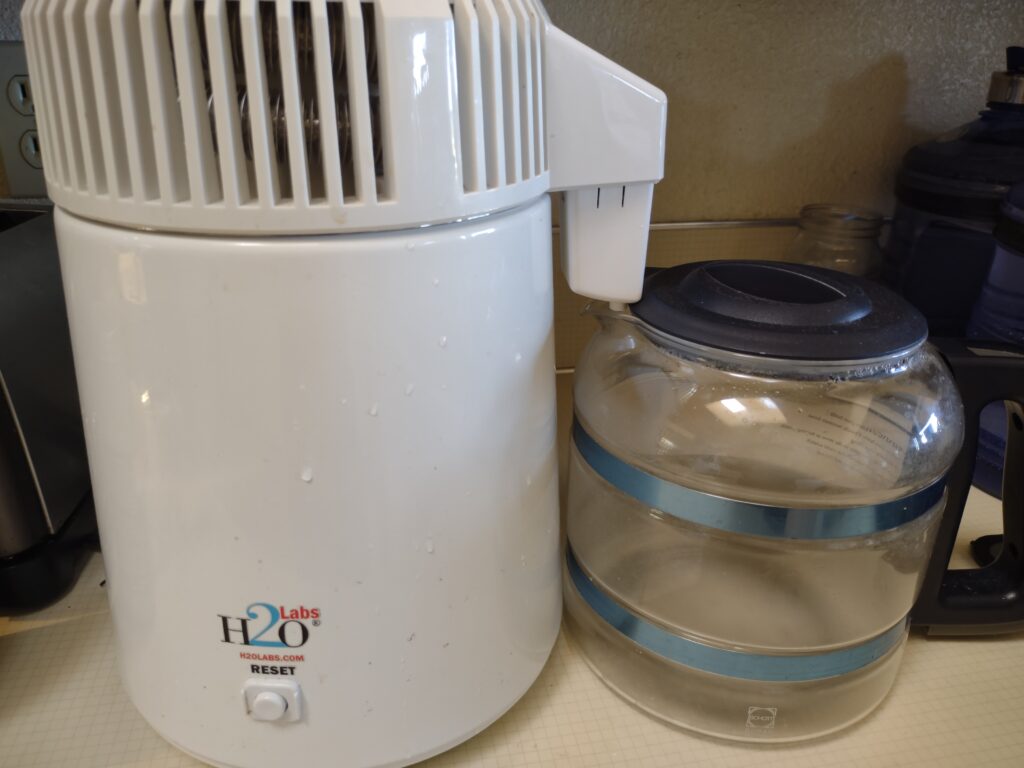
Distilled water involves boiling it into steam, then condensing the steam back to a liquid. This removes toxins, bacteria, chemicals and microbes. It does take 5-6 hours to boil a gallon of water to make distilled water. Is the bother worth it?
As I point out in the video, I am shocked every day at the residue of gunk, sludge and goop that remains in the container after the gallon of water is distilled. Oh my. I have been putting that sludge into my body all this time (which has been a few decades).
Admittedly some of the sludge that remains consists of beneficial substances like minerals. But most of the gunk is toxic. I would prefer to get the minerals my body needs from eating nutritious food rather than drinking water that is laced with toxins.
There are many distilled devices on the market. Here is the one that we have been using.
My husband has had Parkinsons for 9 years. We first went with the medicine route. It slowly got to the point where every new symptom was given one or two more medicines. He was talking so many medicines that at one point all he was doing was sleeping and wanting to end it all.I am curious. Do I go another route now?
I consulted a naturopath who helped us begin supplements and a doctor who helped us wean my husband off the meds very slowly. He has been off the meds for about 5 months now.
The naturopath assured me that getting off the meds would be the answer, but that has not been the case.
He has been going a gradual decline and has taken a turn for the worse.
He cannot walk or bathe without help, his arms become extremely rigid and stiff, where I can hardly move them, and his whole body shakes (like a seizure). He is also having problems swallowing. His mind, however, remains sharp and clear.
He is becoming emotional and said today that he just couldn’t take much more of this.
I don’t know what to do now nor do I know where or to whom I need to go. He cannot live this way.
Do I put him back on the meds? Do I go another route? There are so many wonderful treatments I have read up on, but money is a key issue.
Please help.
Debbie
Hi Debbie:
The recovery process involves difficult choices day in and day out. The road to recovery entails ups and downs. It is never a smooth ride. Healing from the inside out does usually involves letting deep emotions release. From your question above it sounds like this is what is happening and is actually a good thing to surface.
When the focus of treatment is on suppressing the symptoms with medications and supplements, emotions are suppressed too. For the body to heal, the trapped trauma and emotions have to be felt and best of all released.
A wild guess on my part is that he has accumulated toxins in the tissues and lymph that are obstructing his mobility and creating restrictions in the body. Toxins in gall bladder and liver can be problematic in this regard. If he is not moving his body, the toxins will have no way of moving through the lymph that is designed to carry the bad stuff out of the body.
One of my Seven Secrets to Healingis to get the bad stuff out of the body first. Talk with your naturopath about this possibility.
From your question “Do I put him back on the meds” it sounds like you are in control of his recovery process. My suggestion for you will probably be a surprise.
Let him be in complete charge of decisions regarding his recovery. He is obviously a competent, smart man. He can and will figure it out. Watch my youtube video on the critical importance of taking control over the recovery process:
What are two simple suggestions to support recovery from Parkinsons?The vast number of natural therapies documented by Parkinsons Recovery that support recovery is indeed overwhelming. So many choices! Which ones offer the greatest possibility of relief for you?
The challenge for everyone is that no option – whether a prescription medicine, surgery or natural treatment helps everyone celebrate recovery. Most people celebrate relief from symptoms for many of the options but not everyone. It comes down to the challenge of deciding which treatment options are most likely to benefit you.
Two Simple Suggestions to Support Recovery
I asked Dr. Bruce Fife, ND, to offer two (and only two) suggestions among the many that are available that he suggests would be most likely to benefit the most people. Here is his unexpected answer:
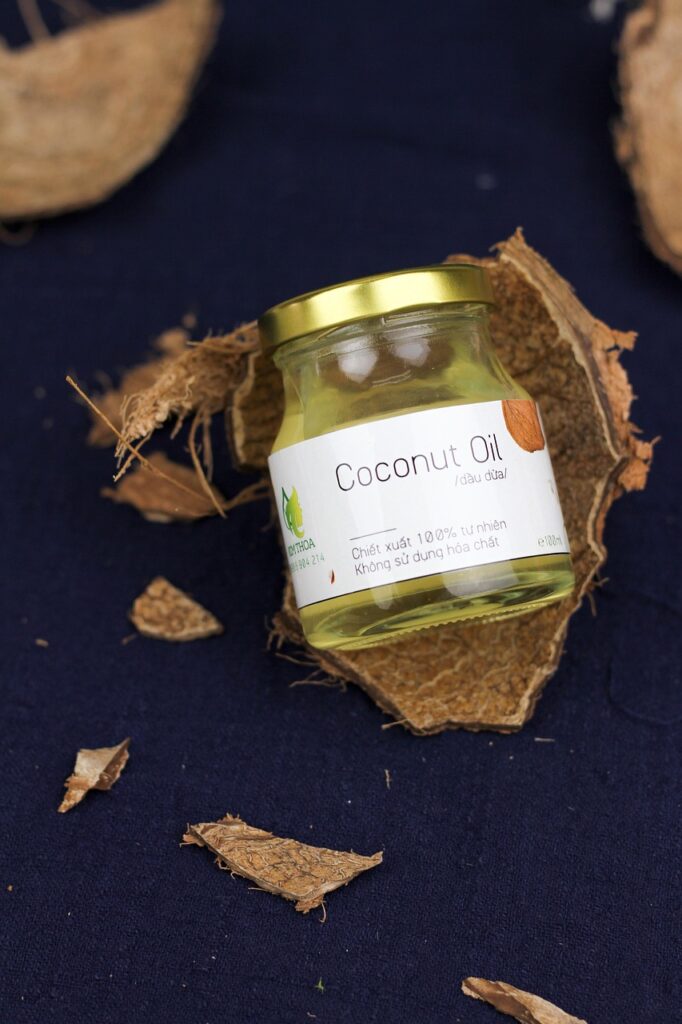
First, add coconut oil to your diet. Start with 1 tablespoon a day added to food. Gradually Increase to 5 tablsspoons a day.
Second, adopt a low carb diet. With Parkinsons the brain has difficulty processing glucose. Ketones are the much preferred food for the brain.
Might I add that the cost of these two suggestions is minimal relative to the anticipated benefit. I say go for it!
Studies published in 2026 pinpoint the value of a curumin treatment for Parkinsons.
What is Curcumin?
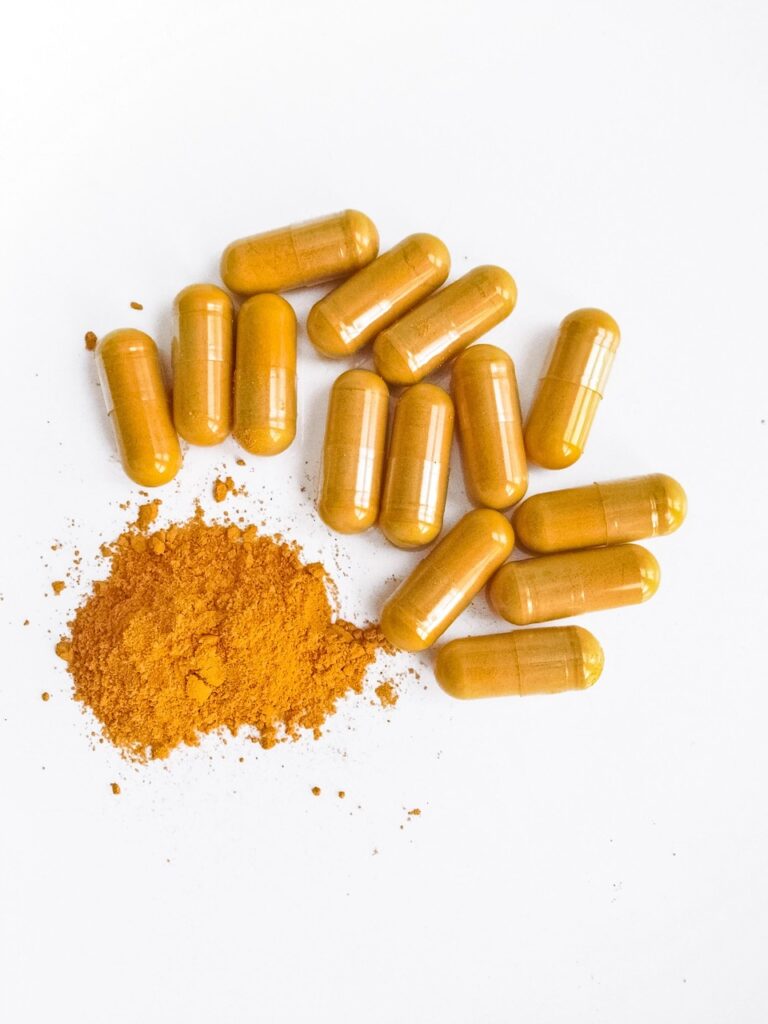
Curcumin is a spice used often in Indian, Asian and Middle Eastern cuisines for its earthy earthy flavor. Added often to curries, stews, rice and marinades. It is also widely used in health-focused cooking for its anti-inflammatory properties.
It is actually an extract from Turmeric which is also a flavorful spice that offers gentle detoxes when added to food. Turmeric contains a variety compounds. Curcumin is one of those compounds with health benefits because of its antioxidant and anti-inflammatory properties. Turmeric contains only up to 8% curcumin which makes curcumin supplements and spices far more concentrated than Tumeric.
I received the following email reporting positive results from using curcumin to address dementia challenges.
Anyone out there using turmeric or curcumin with good results? We’re trying this spice that crosses the blood brain barrier, giving 200 mg to 700 mg at least 3x per day for dementia/Alzheimer. So far, seeing some good results.
Studies Published in 2026 Finding Benefits of Curcumin Treatment for Parkinsons
Front Pharmacol. 2026 Mar 9:17:1779921. Pharmacological effects and mechanisms of curcumin in animal models of Parkinson’s disease: a systematic review and meta-analysis
Abstract
Background: Curcumin has been demonstrated to possess promising neuroprotective potential in Parkinson’s disease; however, its overall effects remain inconclusive, and its multiple mechanisms of action have not been systematically summarized.
Objective: This systematic review and meta-analysis aimed to evaluate the pharmacological effects of curcumin in animal models of Parkinson’s disease and to investigate its potential mechanisms involving antioxidant, anti-inflammatory, and neuroprotective effects, thereby providing a theoretical basis for its potential clinical application in Parkinson’s disease.
Methods: A comprehensive search of four databases (EMBASE, PubMed, Web of Science, and the Cochrane Library) up to August 2025 identified 31 eligible studies involving a total of 552 animals. Methodological quality was assessed using the SYRCLE risk of bias tool. Standardized mean differences (SMDs) were calculated to evaluate the effects of curcumin on motor function, neurochemistry, inflammation, and oxidative stress in animal models of Parkinson’s disease.
Results: The results demonstrated that curcumin intervention improved motor function in animal models of Parkinson’s disease, as evidenced by increased locomotor distance in the open field test (SMD = 1.25) and elevated mean velocity (SMD = 1.42), prolonged latency to fall in the rotarod test (SMD = 2.49), shortened descent time in the pole test (SMD = -1.16), and reduced traversal time on the balance beam (SMD = -2.27). Curcumin exhibited neuroprotective effects through increasing the number of tyrosine hydroxylase-positive cells (SMD = 2.12), maintaining dopamine levels (SMD = 4.11), and elevating 3,4-dihydroxyphenylacetic acid concentrations (SMD = 3.15). Regarding anti-inflammatory effects, curcumin significantly reduced multiple inflammatory markers, including interleukin-6 (SMD = -4.73), interleukin-1? (SMD = -3.30), tumor necrosis factor-? (SMD = -3.19), and nitric oxide (SMD = -4.91). With respect to antioxidant activity, curcumin significantly reduced malondialdehyde levels (SMD = -4.69) while increasing the activities of superoxide dismutase (SMD = 3.90), glutathione (SMD = 2.08), and catalase (SMD = 2.00).
Conclusion: Curcumin demonstrates significant neuroprotective effects in Parkinson’s disease animal models, improving motor deficits and neuronal integrity likely through multi-target mechanisms involving anti-inflammatory and antioxidant pathways.
******
Drug Des Devel Ther. 2026 Jan 22:20:566113. Therapeutic Efficacy of Curcumin Nanoparticles in Parkinson’s Disease: An Integrated Analysis of Network Pharmacology, Experimental Validation, and Gut Microbiota
Abstract
Background: Parkinson’s disease (PD) ranks as the second most common neurodegenerative condition globally, with a rising occurrence alongside the aging demographic. Previous studies have demonstrated that curcumin monomers can alleviate PD symptoms and slow disease progression, whereas nano-drug delivery systems significantly improve their bioavailability. Notably, gut microbiota imbalance significantly contributes to the onset and advancement of PD; however, the mechanisms by which curcumin nanoparticles produce their therapeutic impact on PD are not yet well understood.
Materials and methods: Initially, network pharmacology was tapped to forecast the probable targets and signaling routes for curcumin in combating Parkinson’s Disease. Later on, molecular docking techniques and molecular dynamics experiments were utilized to substantiate its binding effectiveness. Curcumin nanoparticles were synthesized via the emulsion-solvent evaporation technique. After establishing PD models, multidimensional validation was performed using behavioral experiments, serological assays, Western blotting, hematoxylin-eosin staining, and 16S ribosomal RNA (16S rRNA) sequencing.
Results: Network pharmacology analysis revealed that curcumin acts through multiple targets and pathways. In vivo experiments demonstrated that curcumin nanoparticles enhanced motor capabilities in Parkinson’s disease mice, bolstered antioxidant enzyme levels, alleviated oxidative stress, and inhibited neuronal apoptosis via the Akt signaling pathway. Histopathological analysis showed significant improvements in the number and arrangement of neurons in the hippocampal dentate gyrus (DG) region. Furthermore, remodeling of the gut microbiota and metabolic regulation alleviated neuroinflammation and enhanced neuroprotection.
Conclusion: Curcumin nanoparticles inhibit neuronal apoptosis by activating the Akt signaling pathway and, while also remodeling the gut microbiota microenvironment, collectively ameliorate PD pathology. This study provides pharmacological evidence that curcumin nanoparticle therapy mediates its therapeutic actions through multiple mechanisms, and identifies potential therapeutic targets for PD treatment.
Posted below is the fascinating article – Parkinson’s: A BioAcoustic Perspective – written by Sharry Edwards from Sound Health Options. The article presents findings from the BioAcoustic analysis for three individuals diagnosed with Parkinsons. This analysis reveals three very different causes.
Sharry’s research over the past several decades has identified more than a set of three factors that cause symptoms of Parkinsons. The Sound Health Options list of causes is quite extensive indeed. It includes among others …
Allergies – especially to milk protein and gluten
Lyme disease
Peripheral neuropathy due to the measles virus
Tetanus
Inability to use glycine
Lack of glutathione
Stiff man syndroms
Lack of receptors for some amino acids
Trauma
Emotional
Sharry uses analysis of voice profiles to determine causes. For more information about her revolutionary and groundbreaking approach and to obtain an anlysis of your voice profile visit:
Or simply call her office which is located in Albany Ohio: 740-698-9119
Below is the article she recently published:
Parkinson’s: A BioAcoustic Perspective: Breaking the Sound Barrier of Parkinson’s Disease by Sharry Edwards
Abstract
Parkinson’s disease is traditionally defined as a neurodegenerative disorder characterized by dopamine depletion and motor dysfunction. However, emerging evidence—supported by BioAcoustic vocal analysis—suggests that Parkinson’s may not be a singular disease entity, but rather a collection of distinct biological breakdown patterns that converge into similar symptoms.
This paper presents three case-based profiles demonstrating fundamentally different underlying mechanisms of Parkinson’s, as identified through frequency-based vocal analysis. These findings suggest a paradigm shift: Parkinson’s may be better understood as a pattern of expression rather than a single disease, requiring individualized identification and intervention.
Introduction: The Limits of a Single Diagnosis
Parkinson’s disease has long been associated with:
Loss of dopaminergic neurons
Tremors, rigidity, and slowed movement
Progressive neurological decline
While these symptoms are consistent, the cause is not.
Patients with identical diagnoses often respond differently to the same treatments. This inconsistency suggests that Parkinson’s may arise from multiple biological pathways—each requiring a different approach.
BioAcoustic Biology proposes that the human voice is a real-time representation of physiological function, reflecting biochemical, neurological, and structural changes. Through vocal analysis, it becomes possible to identify which system is breaking down—not just that a breakdown exists.
Methodology: Listening to Biology
Using BioAcoustic vocal profiling, three individuals diagnosed with Parkinson’s disease were evaluated. Each voice sample was analyzed across multiple biological layers, including:
Neurotransmitter function
Immune signaling
Detoxification pathways
Structural and muscular integrity
Despite sharing a common diagnosis, each individual demonstrated a distinct underlying pattern of dysfunction.
Case Study 1: The Gut–Immune–Neuroinflammation Pathway
Primary Features
Intestinal permeability (“leaky gut”)
Elevated inflammatory markers (Interleukin-17)
Tetanus-related bacterial signaling
Disruption of glutathione and glycine metabolism
Mechanism
In this case, the origin appears to begin in the gut:
Breakdown of the intestinal barrier ? immune activation ? systemic inflammation ? neuroinflammation ? motor symptoms
Interleukin-17, a pro-inflammatory cytokine, is known to promote neuroinflammation and disrupt the blood-brain barrier. Combined with impaired detoxification (glutathione dysfunction), this creates a biochemical environment that may damage dopaminergic neurons.
Clinical Implication
This type of Parkinson’s may be driven primarily by:
Immune dysregulation
Gut integrity failure
Chronic inflammatory signaling
Case Study 2- Thom: The Toxic–Oxidative Stress Pathway
Primary Features
Severe systemic toxicity
Widespread glutathione pathway disruption
Oxidative stress overload
Impaired cellular energy production
Mechanism
This profile reflects a breakdown in the body’s ability to detoxify:
Glutathione, a critical antioxidant, is central to neutralizing free radicals. In this case, multiple enzymes responsible for glutathione synthesis and utilization were compromised, indicating a system-wide failure of detoxification.
Clinical Implication
This type of Parkinson’s may be driven primarily by:
Environmental or metabolic toxicity
Antioxidant depletion
Mitochondrial dysfunction
Case Study 3- John: The Neurotransmitter–Structural Breakdown Pathway
Primary Features
Acetylcholine receptor dysfunction
Glycine receptor disruption
Impaired dopaminergic neuron support (GDNF pathway)
Muscle structure and nerve repair deficits
Mechanism
Here, the issue is not primarily immune or toxic, but neurological signaling and repair:
Neurotransmitter receptor dysfunction ? impaired signaling ? reduced neuron support ? failed repair mechanisms ? motor dysfunction
The GDNF (Glial Cell Line-Derived Neurotrophic Factor) pathway, essential for the survival of dopaminergic neurons, appears compromised. Simultaneously, structural proteins responsible for muscle coordination and nerve integrity show dysfunction.
Clinical Implication
This type of Parkinson’s may be driven primarily by:
Neurotransmitter imbalance
Failure of neuronal support systems
Structural degeneration of muscle and nerve tissue
Comparative Analysis: One Disease, Three Origins
These three cases reveal a critical insight:
Pathway
Primary Driver
Key System
Gut–Immune
Inflammation (IL-17)
Immune + Digestive
Toxic–Oxidative
Glutathione failure
Detox + Mitochondria
Neurotransmitter– Structural
Signaling breakdown
Nervous + Muscular
Despite identical diagnoses, the root causes differ dramatically.
Discussion: Rethinking Parkinson’s
The current medical model treats Parkinson’s as a uniform condition, often focusing on dopamine replacement. While this may address symptoms, it does not address cause.
These findings suggest:
Parkinson’s is a multi-origin condition
Symptoms are shared endpoints, not shared beginnings
Effective intervention must be pathway-specific
BioAcoustic analysis offers a unique advantage: it identifies dysfunction at the level of pattern and frequency, before structural damage becomes irreversible.
Conclusion: A New Model of Understanding
Parkinson’s disease may not be a single disease—but rather a collection of biological failures that sound the same.
If this is true, then:
Diagnosis must evolve beyond symptom classification
Treatment must become individualized
Early detection must focus on functional change, not structural damage
The human voice may provide a key to this shift—offering a non-invasive, real-time window into the body’s internal state.
Author Perspective
For over four decades, BioAcoustic Biology has explored the relationship between sound, structure, and physiology. The voice is not merely a tool for communication—it is a mathematical expression of the body’s current condition.
By learning to interpret this expression, we may move toward a future where disease is identified and addressed before it fully manifests.
COMPARATIVE SUMMARY (VERY IMPORTANT)
Mechanism
Client 1
Client 2
Client 3
Gut involvement
Strong
Immune / IL-17
Strong
Mild
Possible
Toxicity
Moderate
Severe
Secondary
Glutathione
(dominant)
Neurotransmitter receptors
Strong
Dopamine neuron support (GDNF)
Strong
Structural/muscle degeneration
Strong
“We won’t have a cure for diseases until we first have a cure for greed.”